In Memory: Miracle the Dove

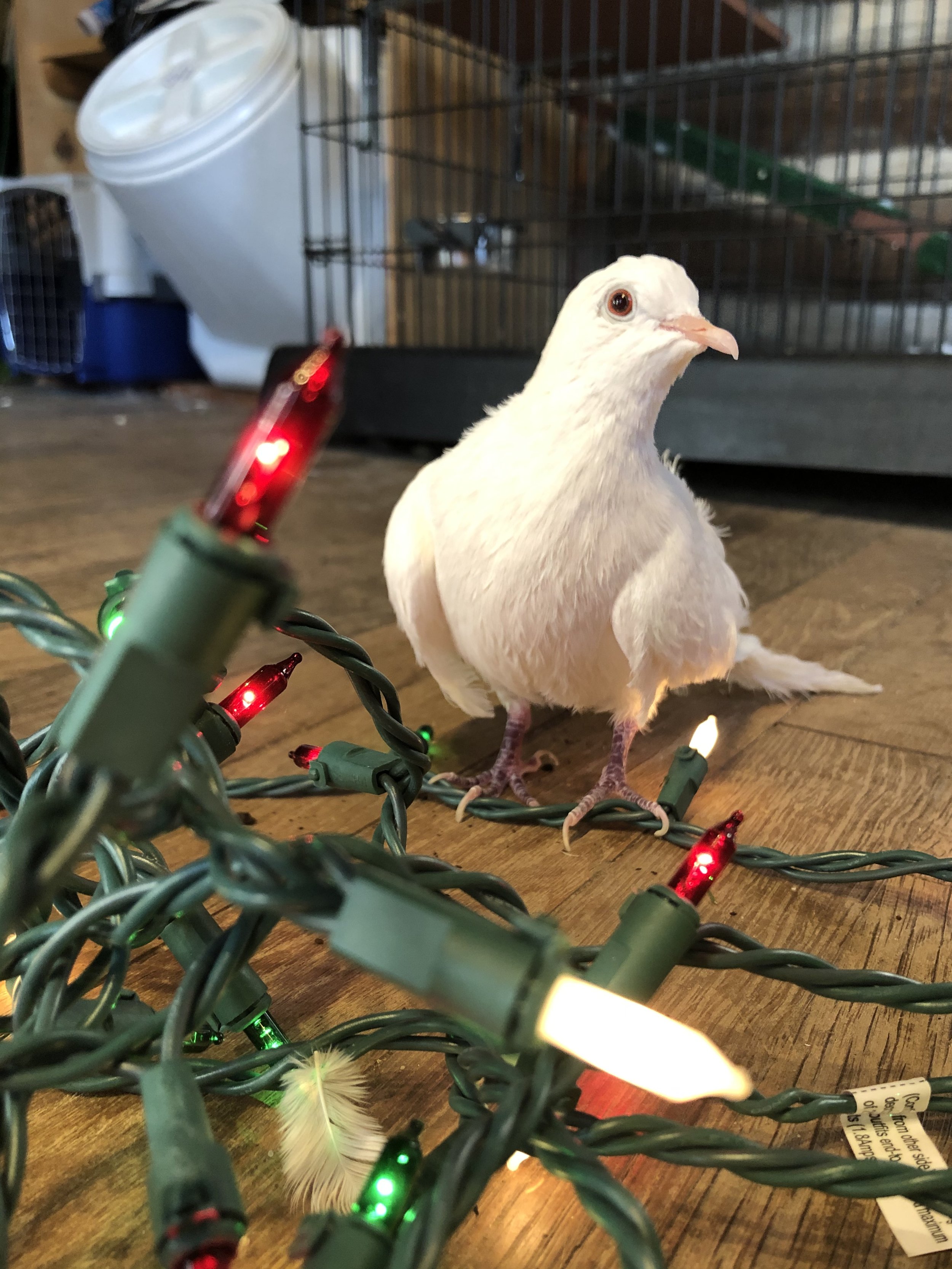
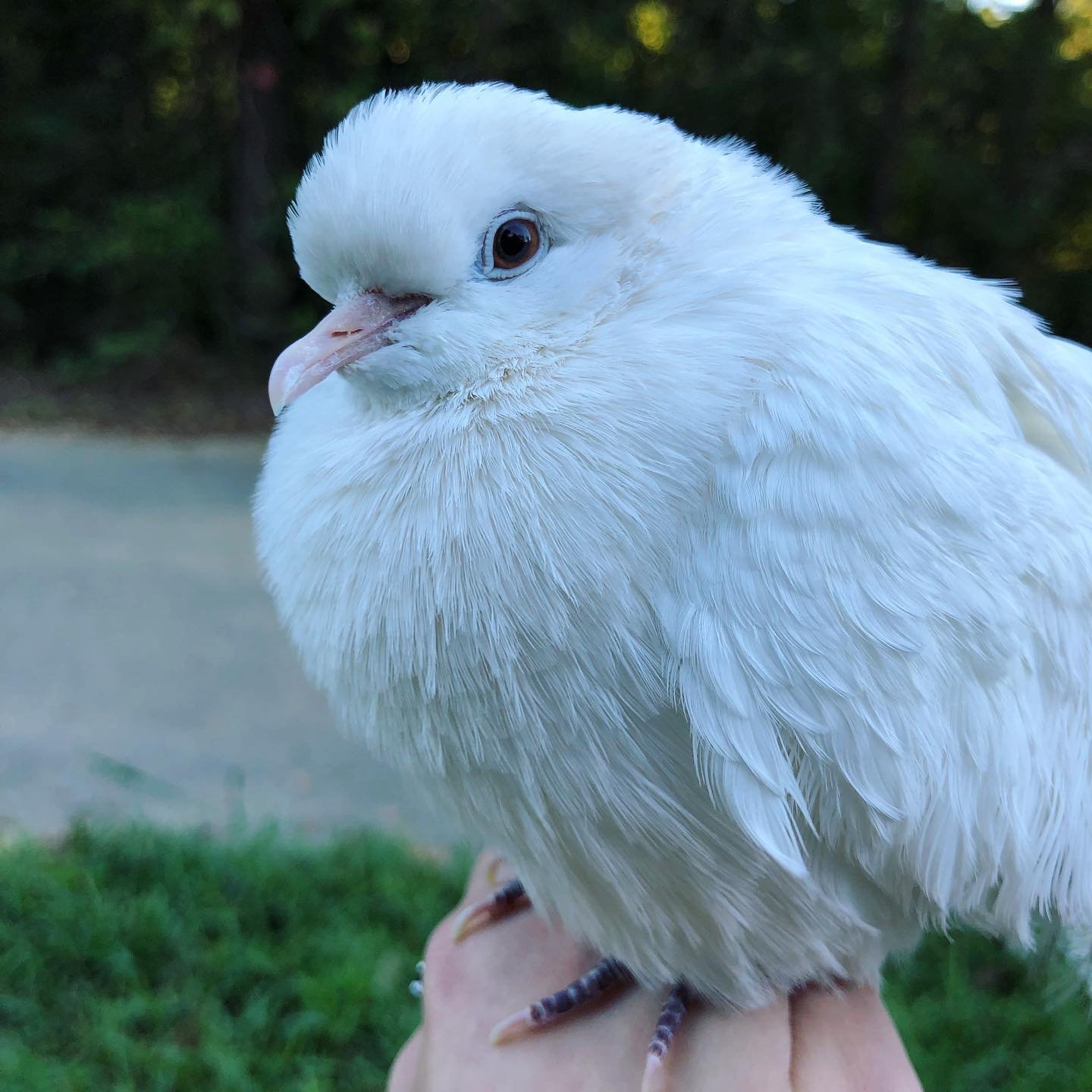
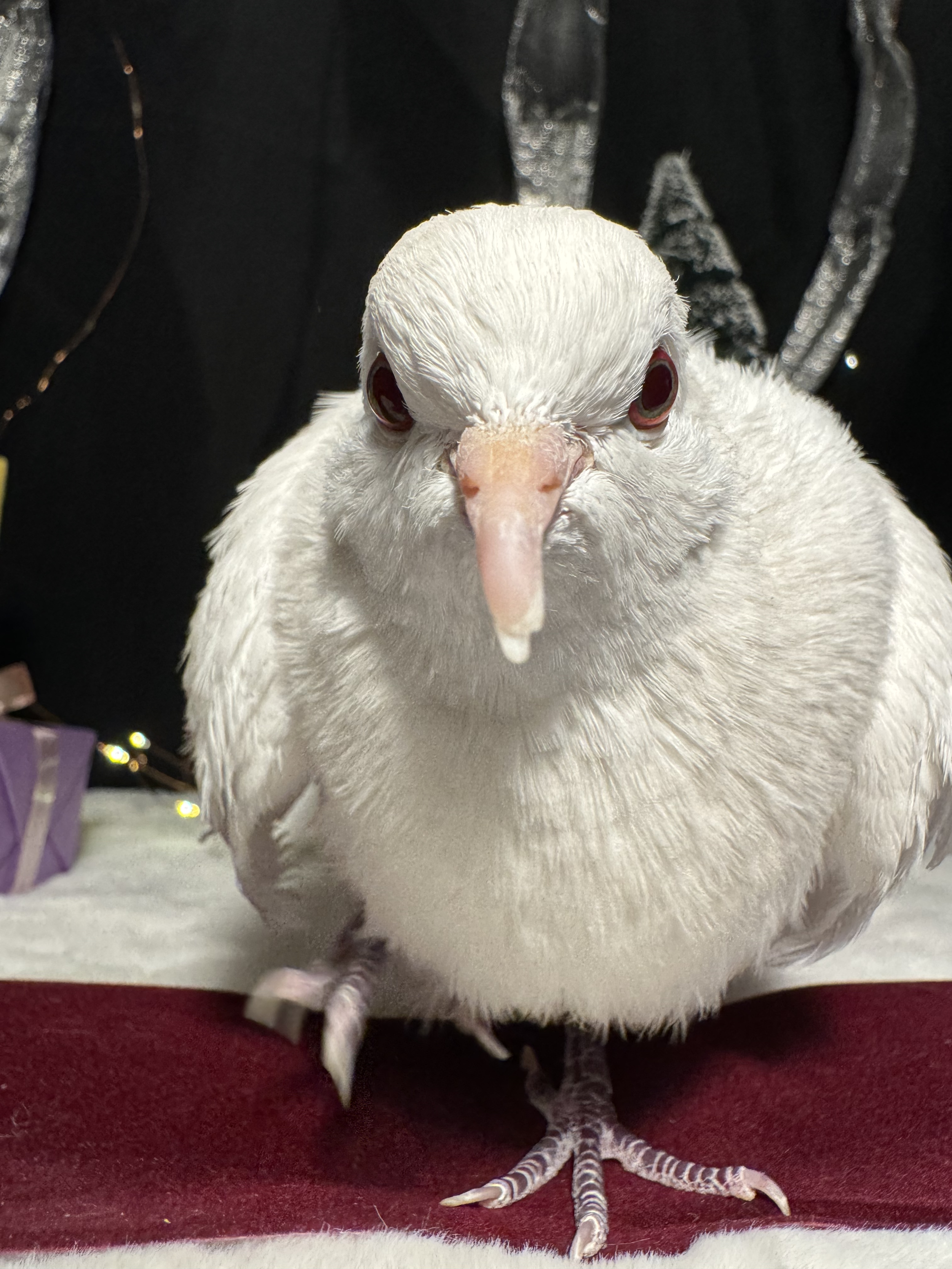
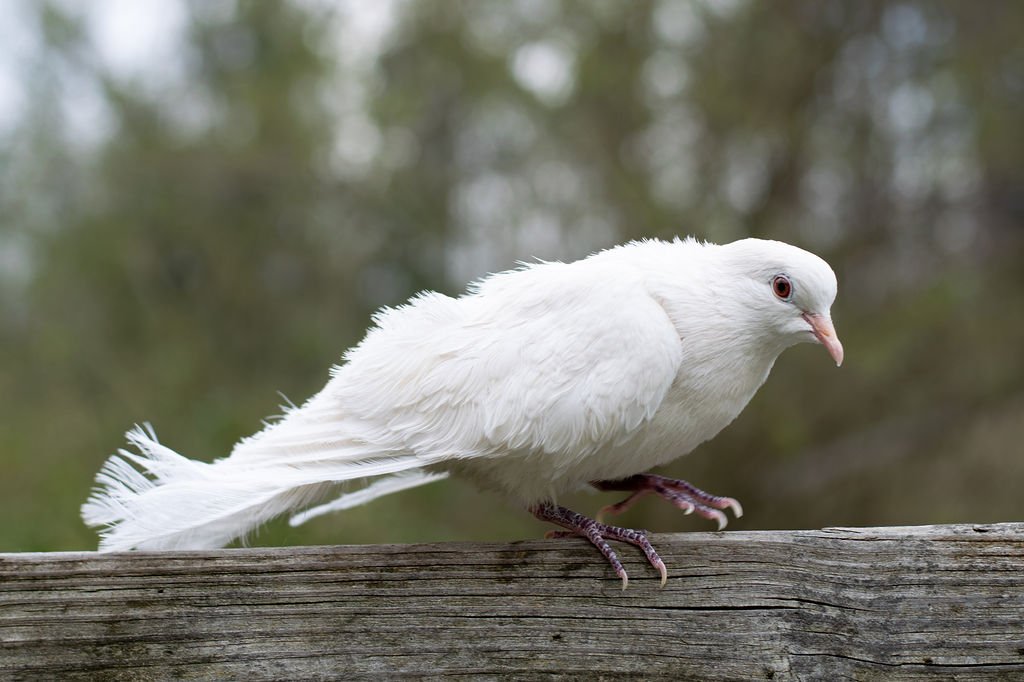
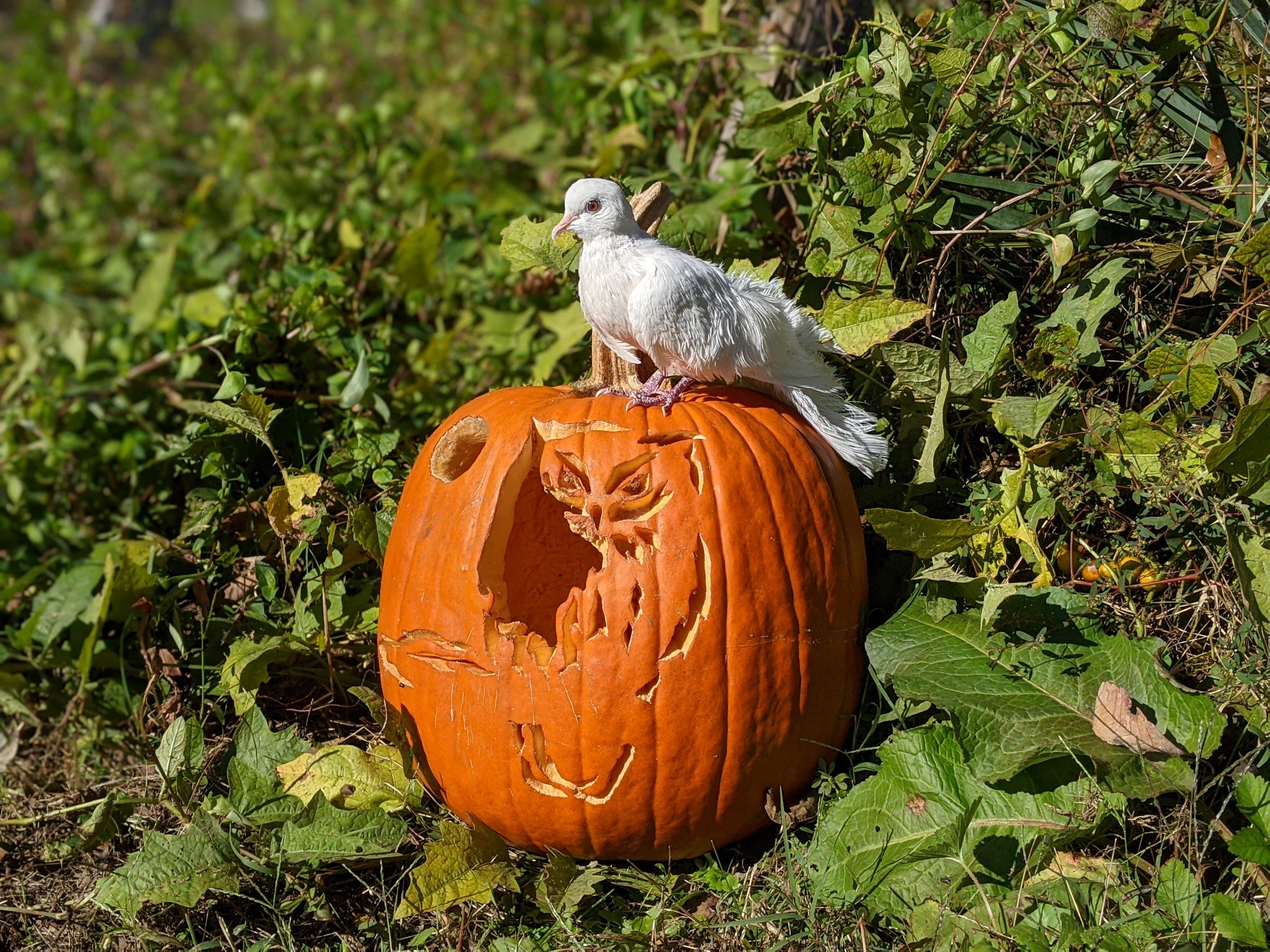
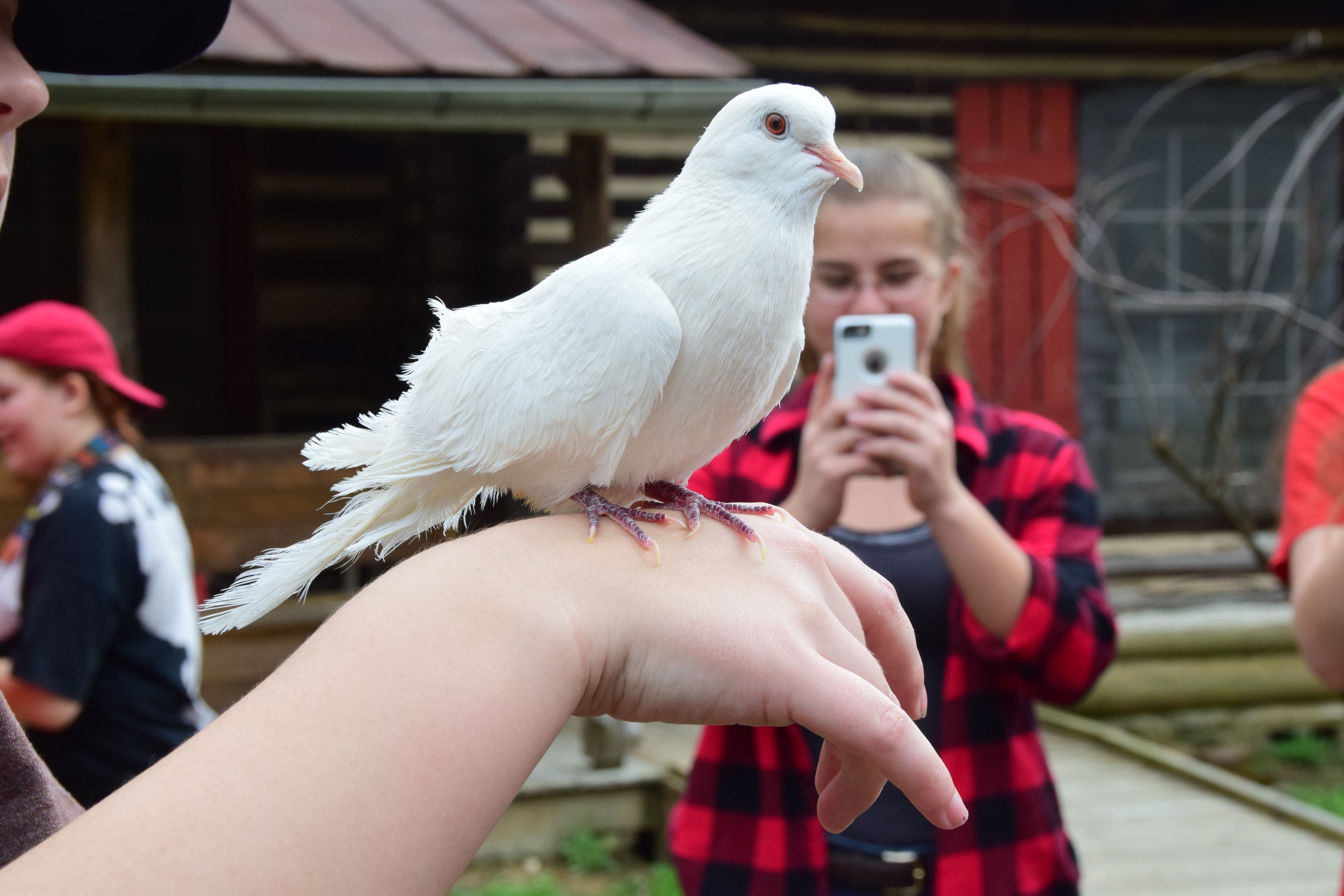
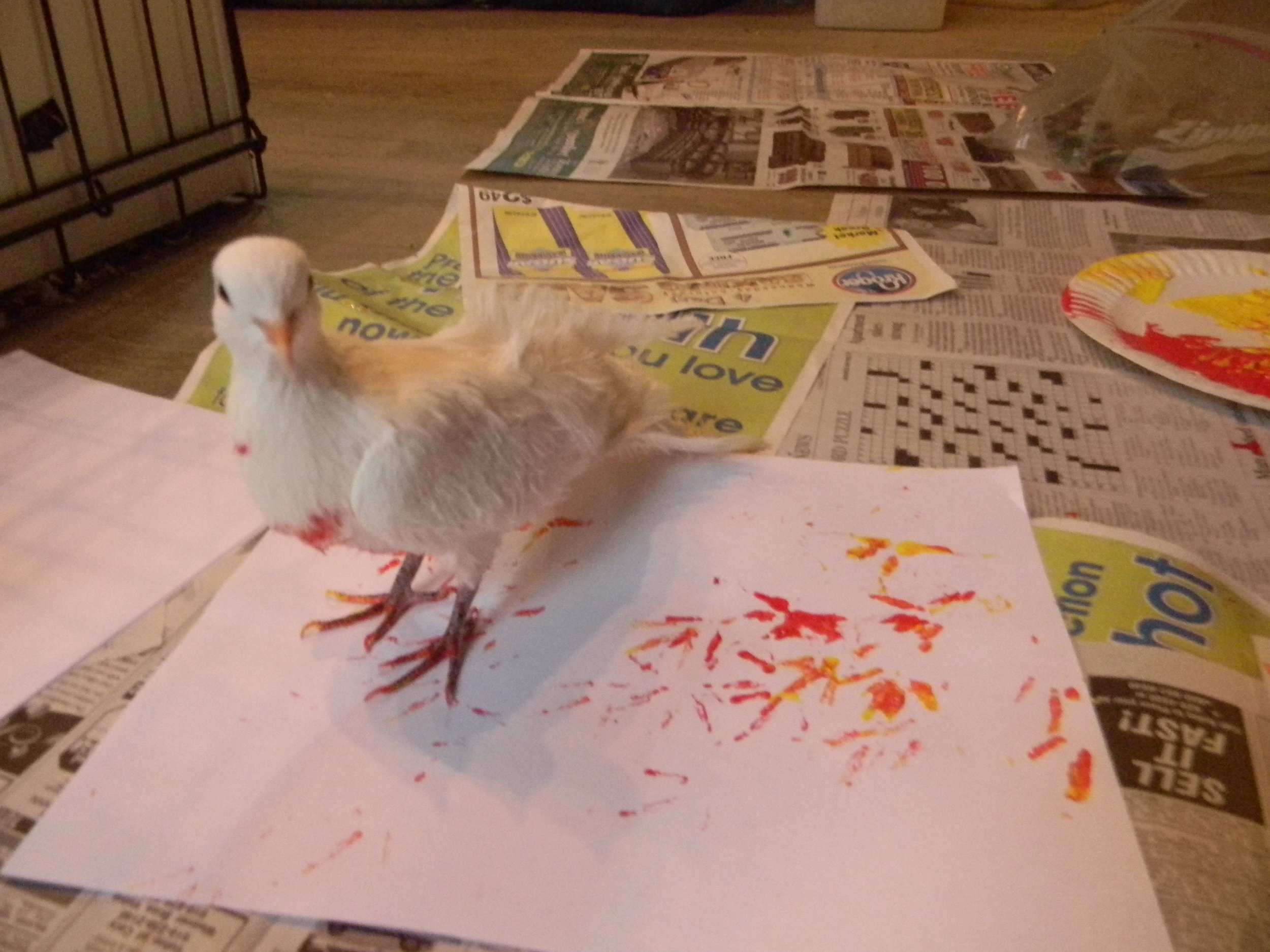
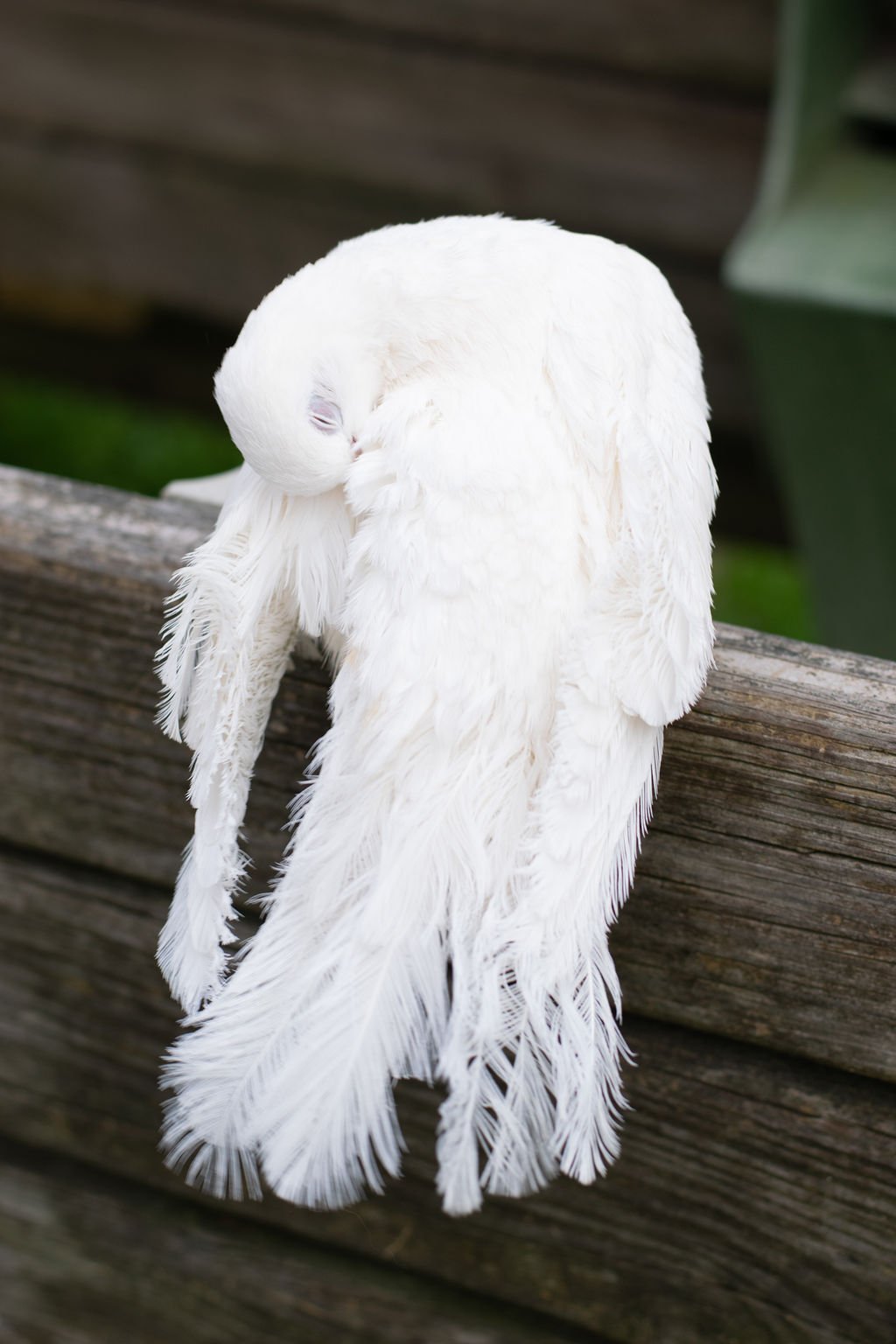
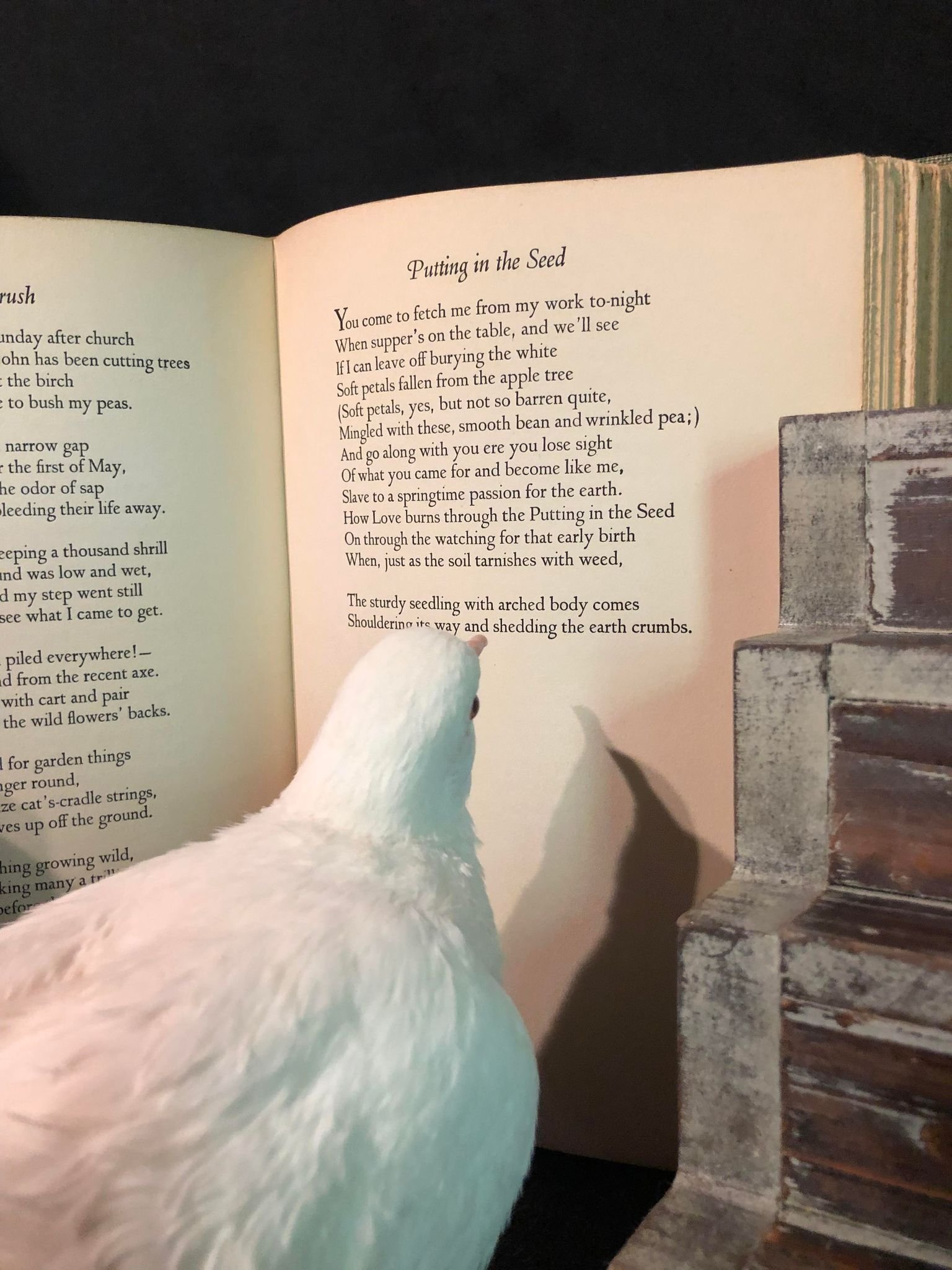
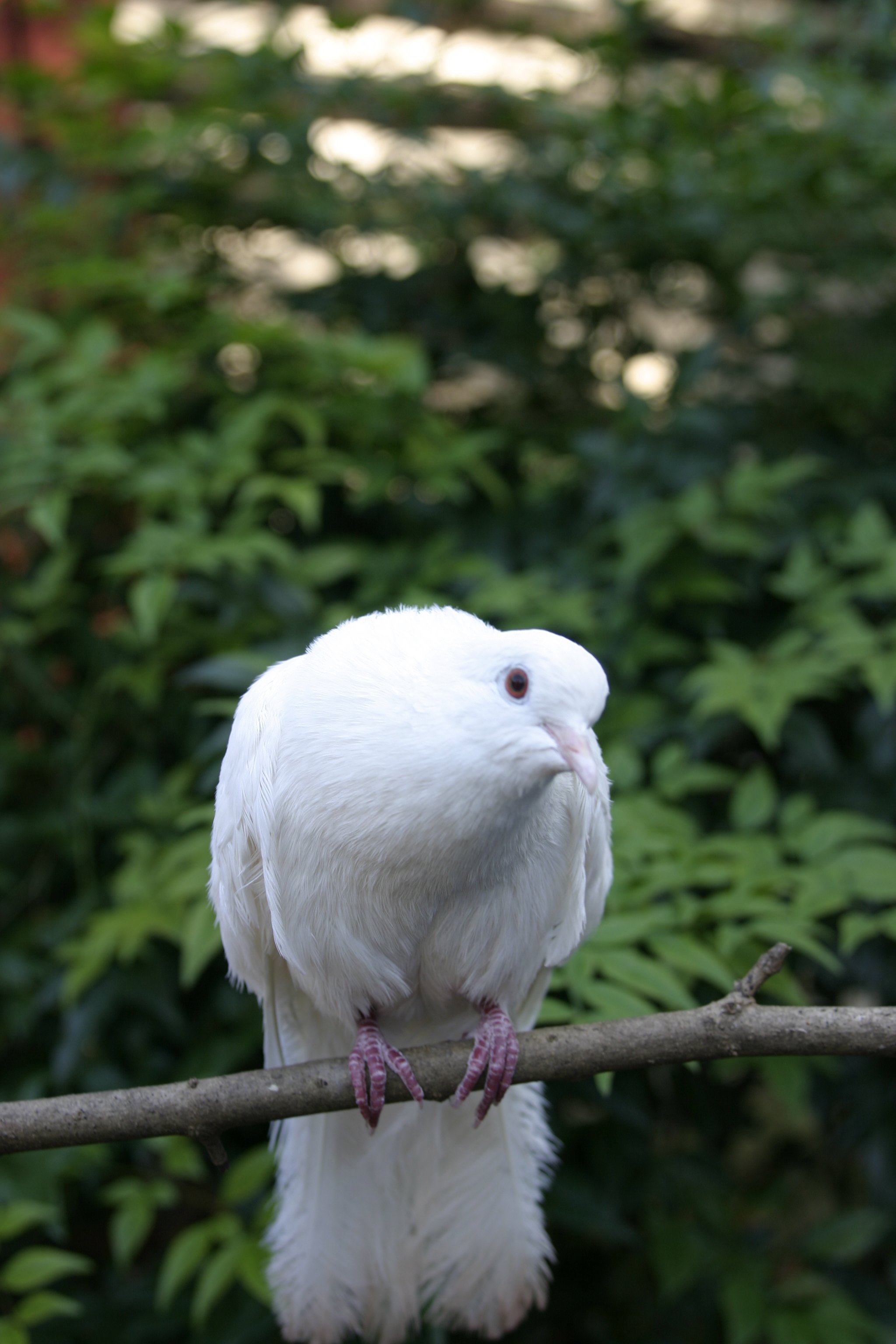
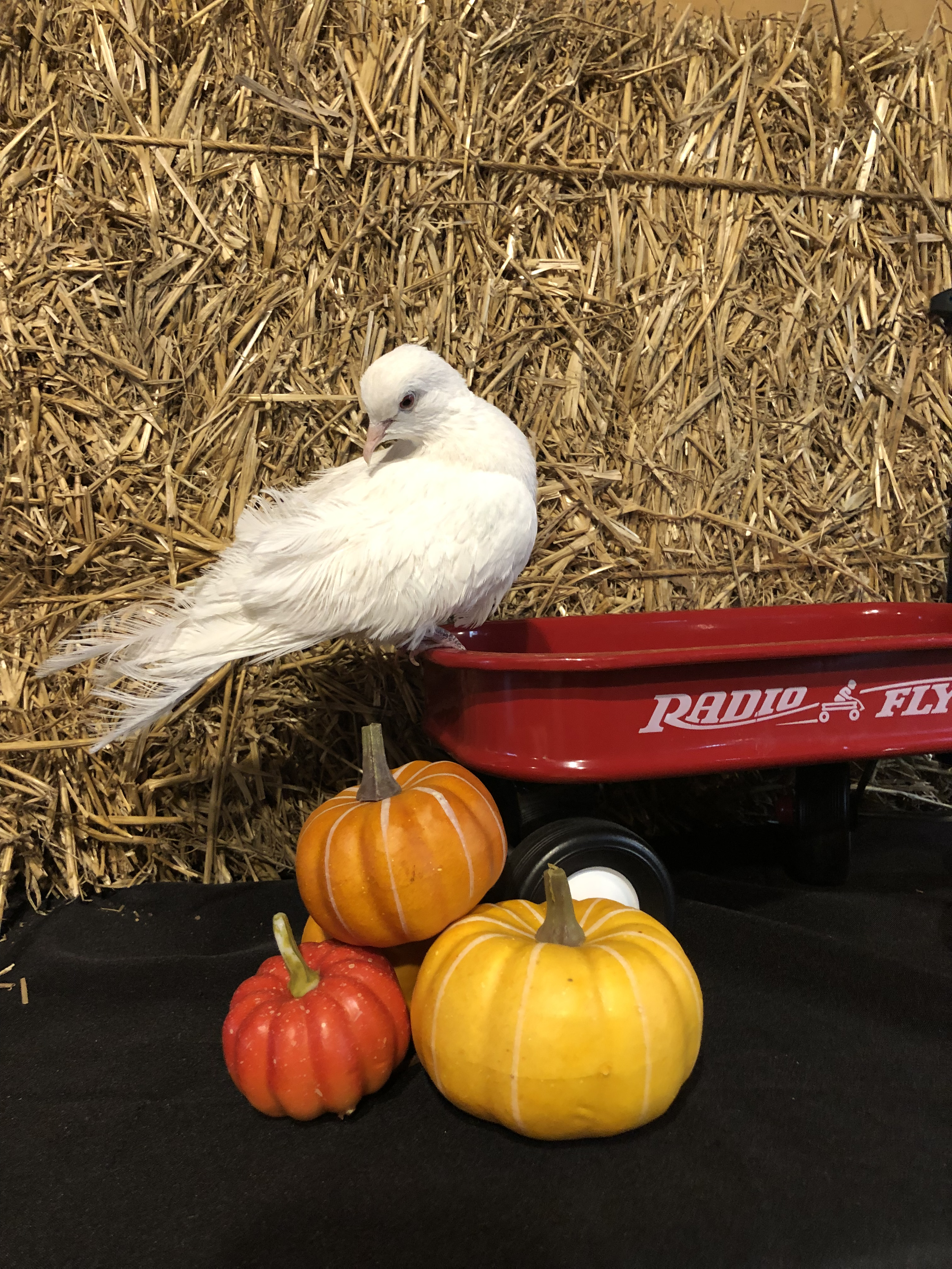
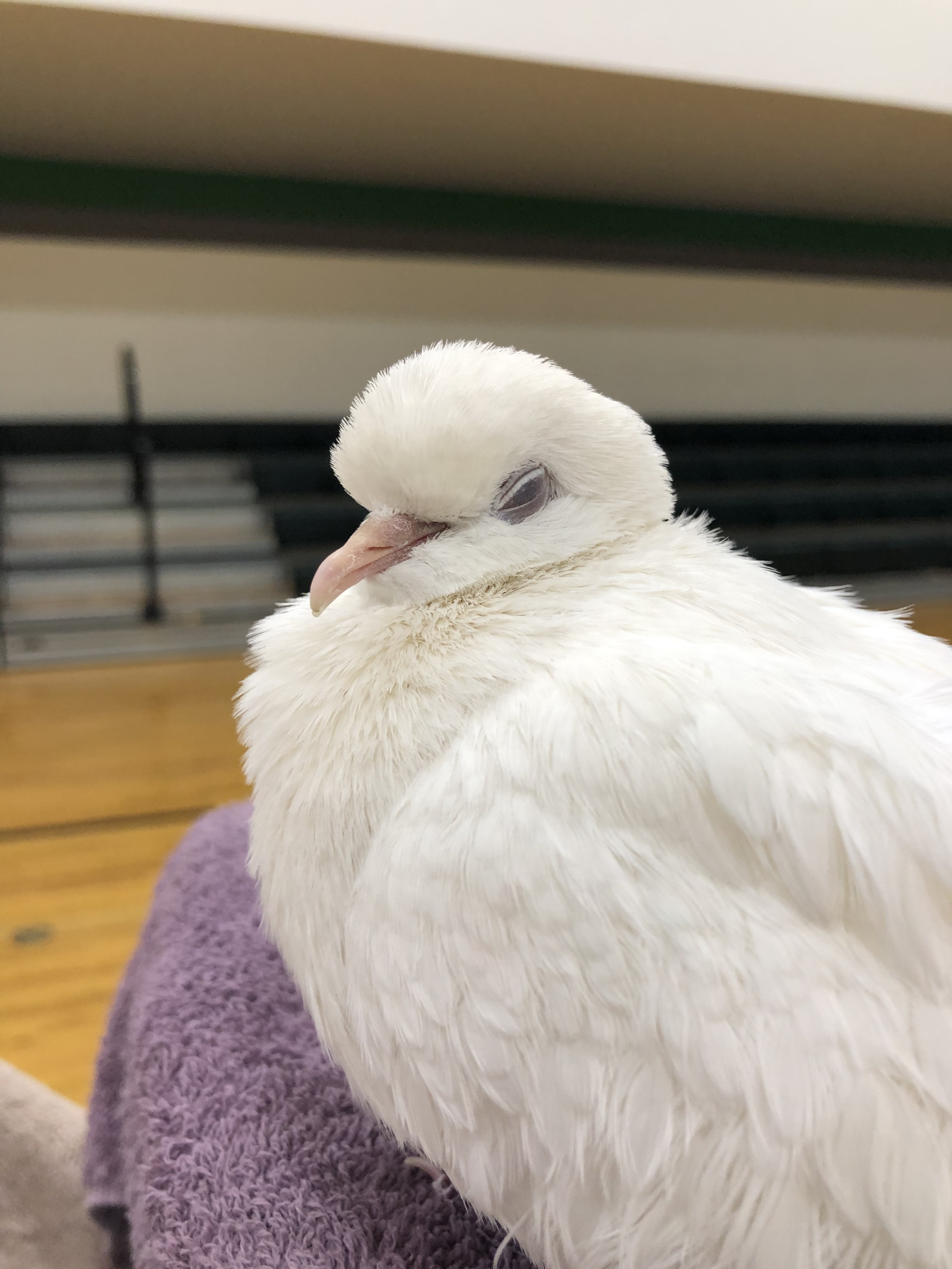
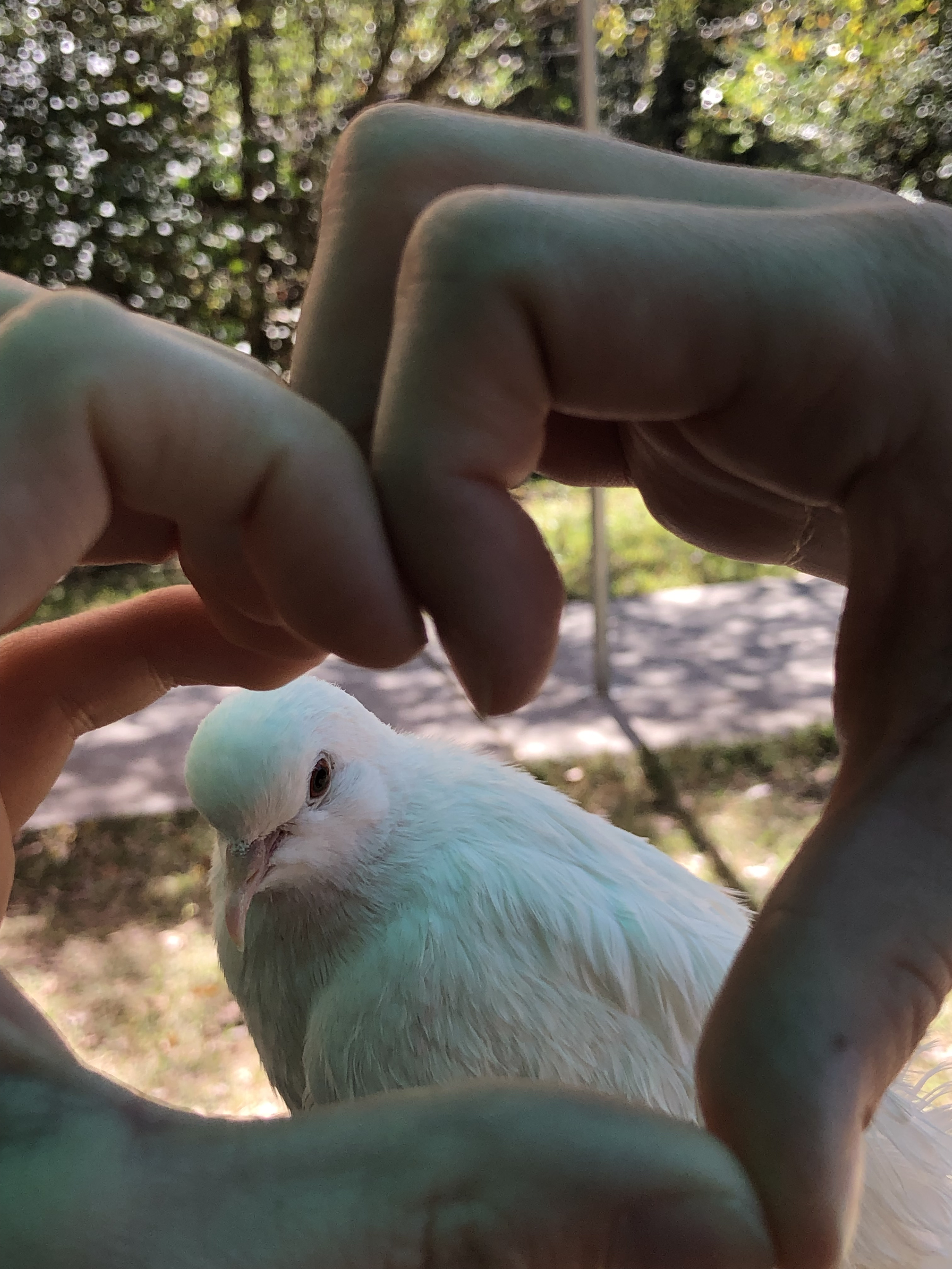
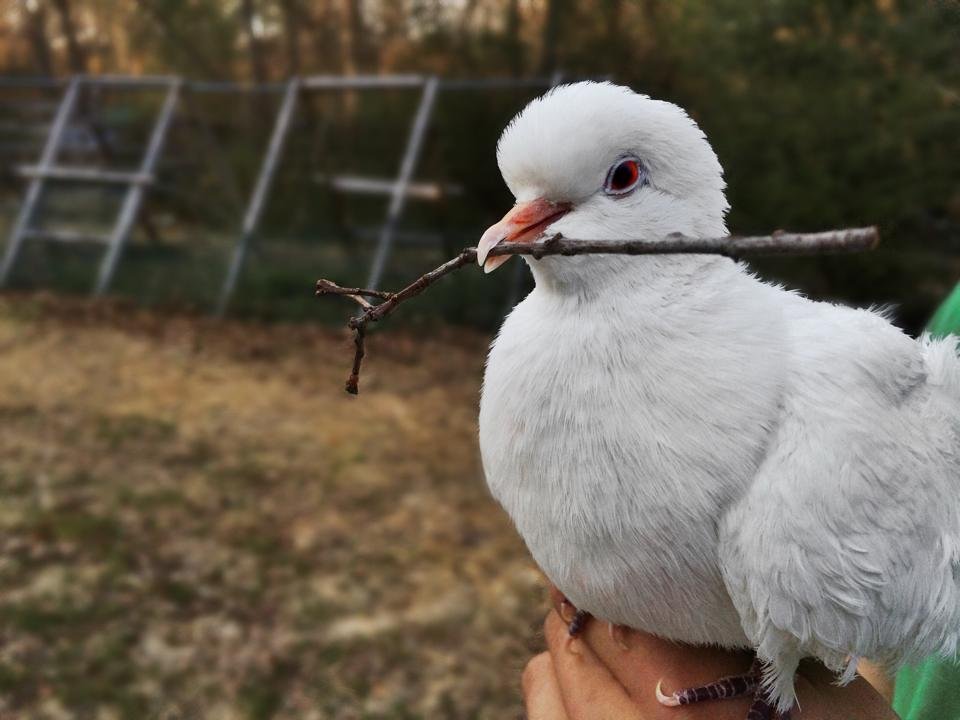
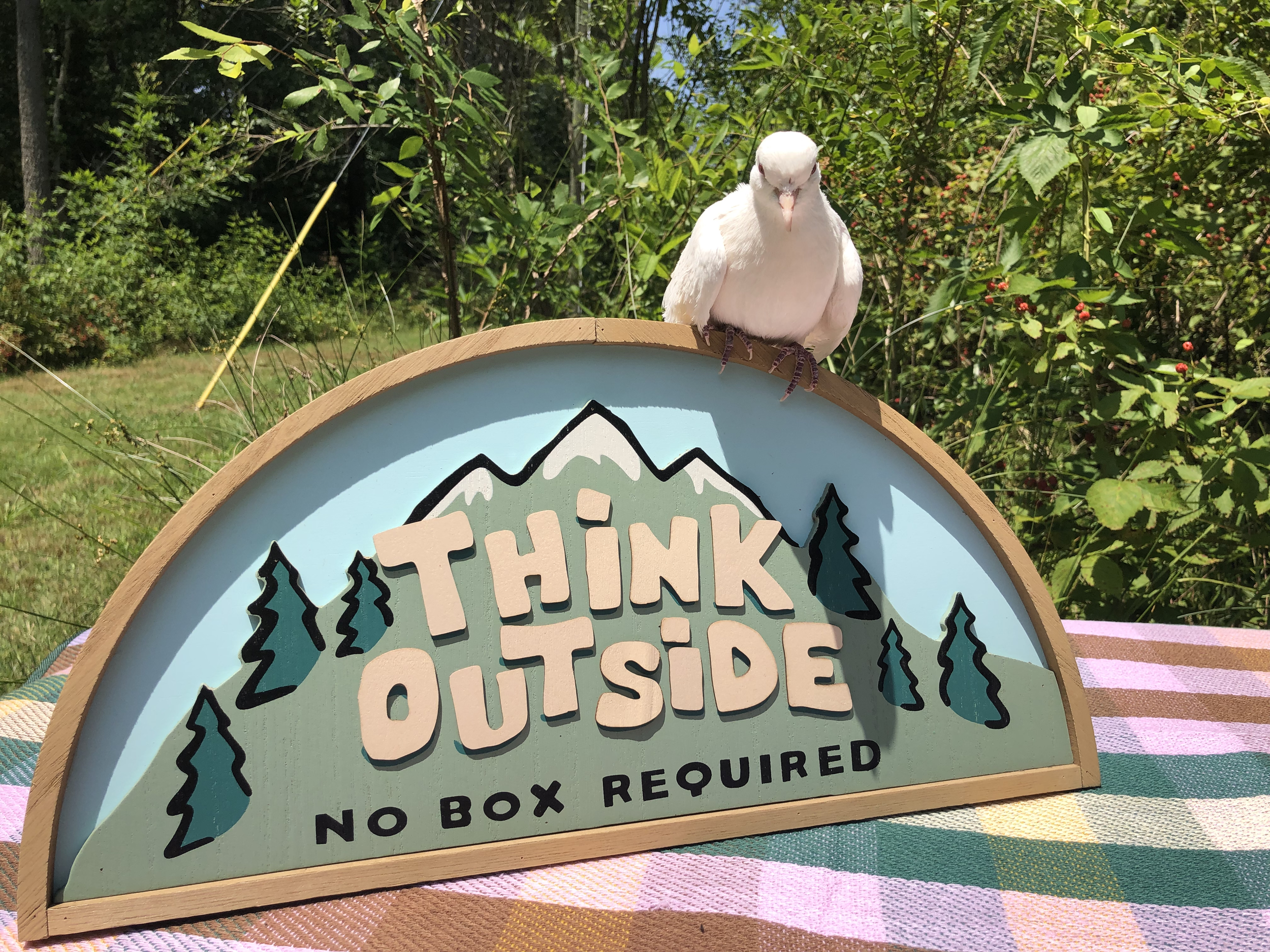
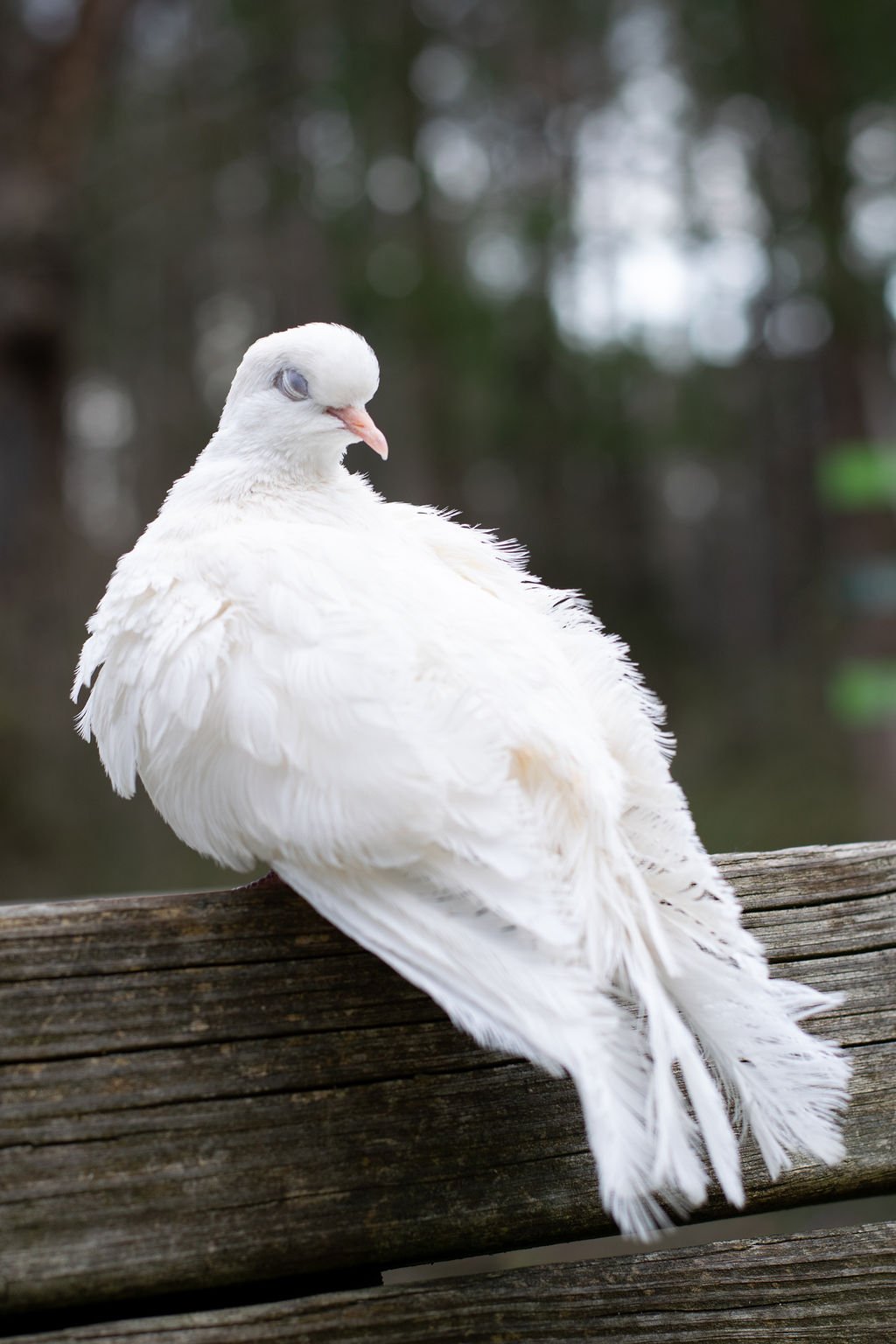
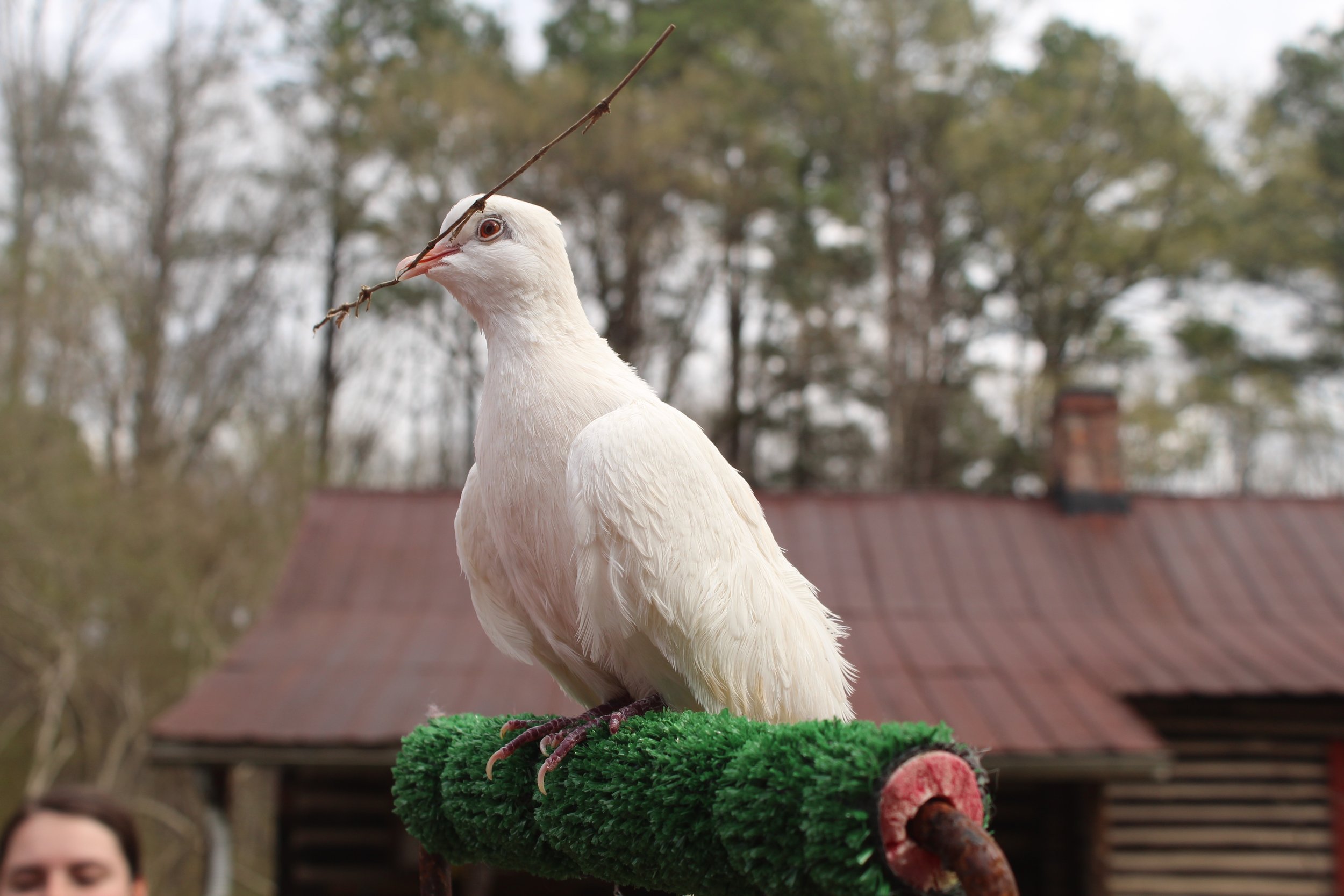
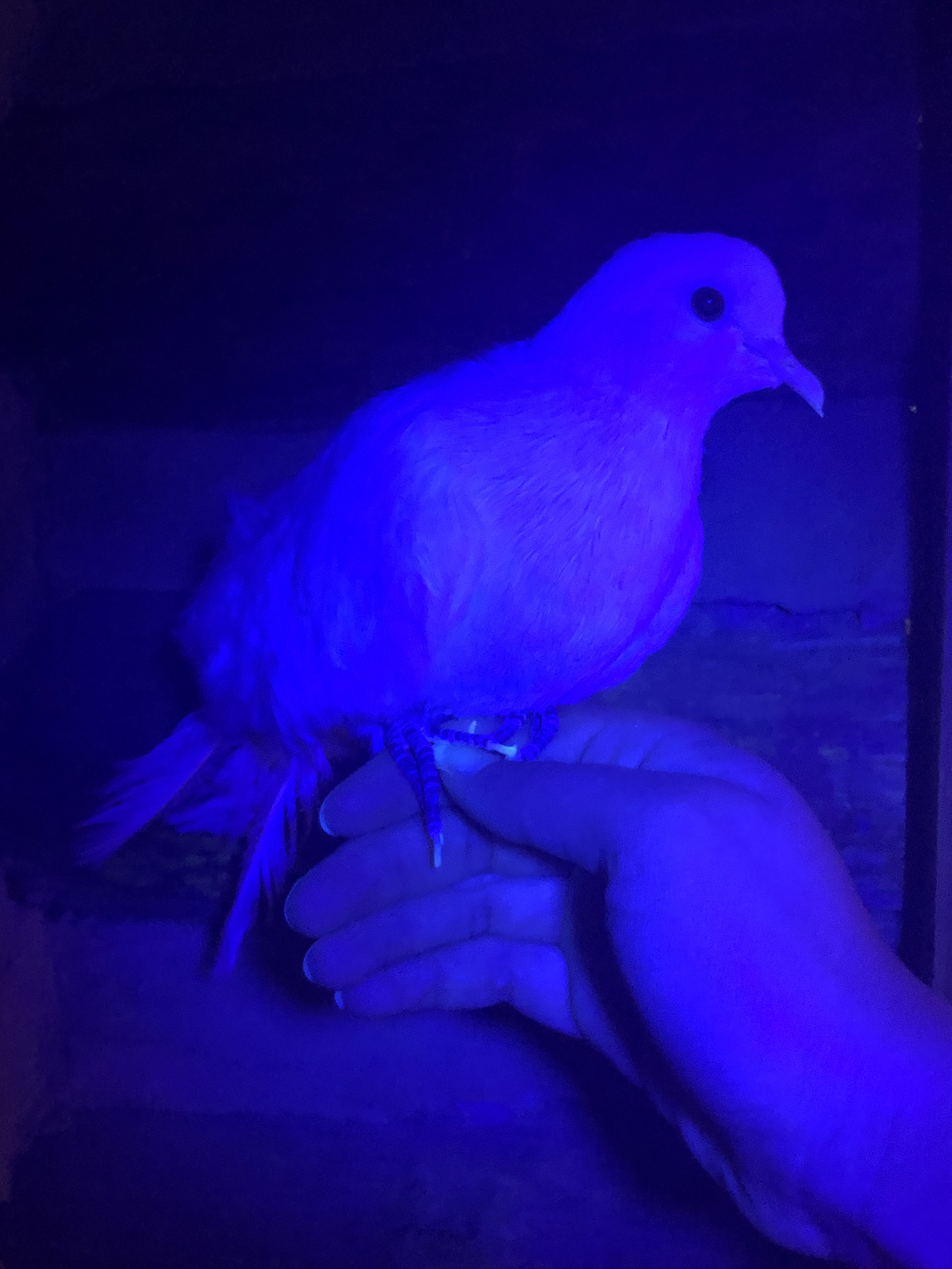
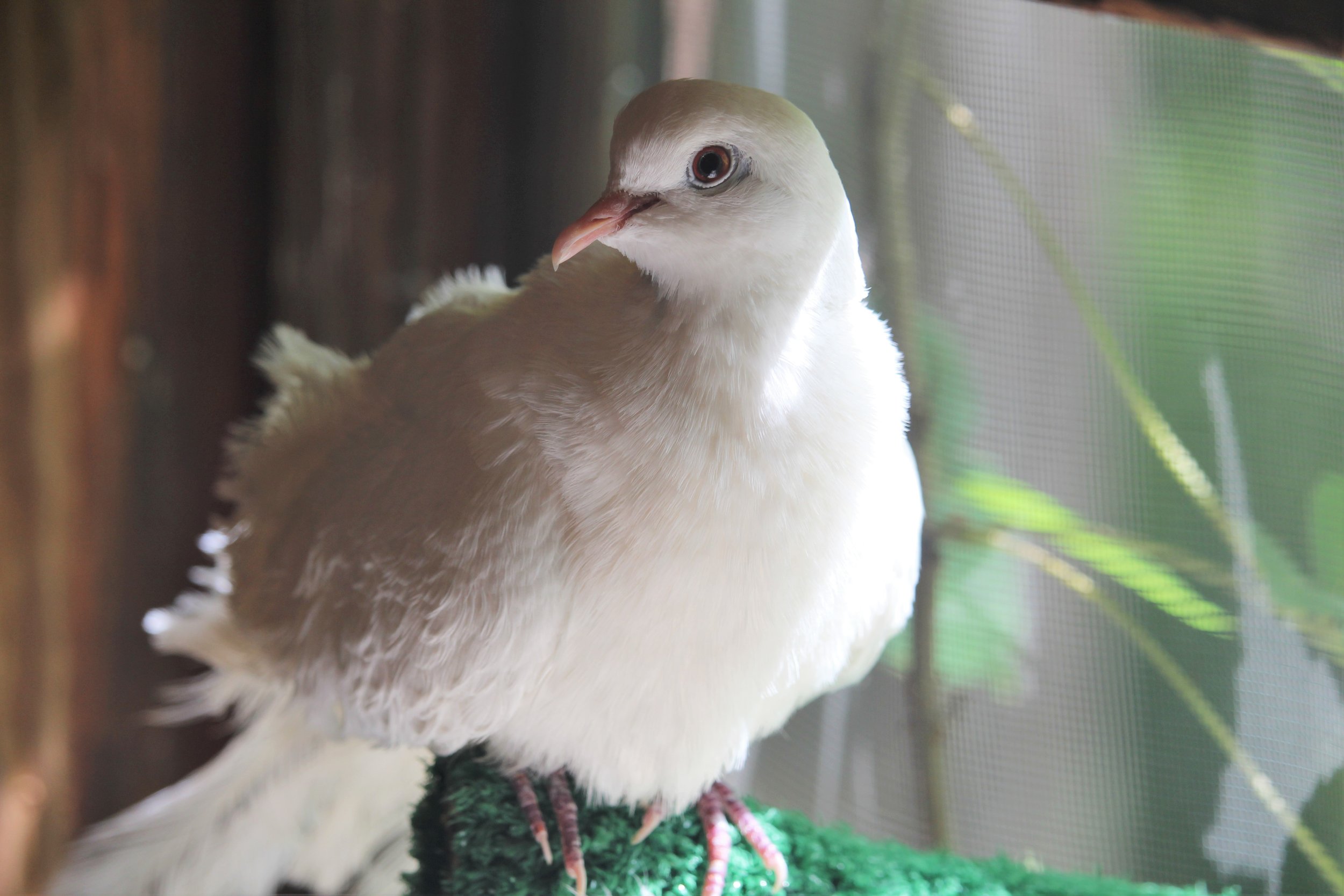
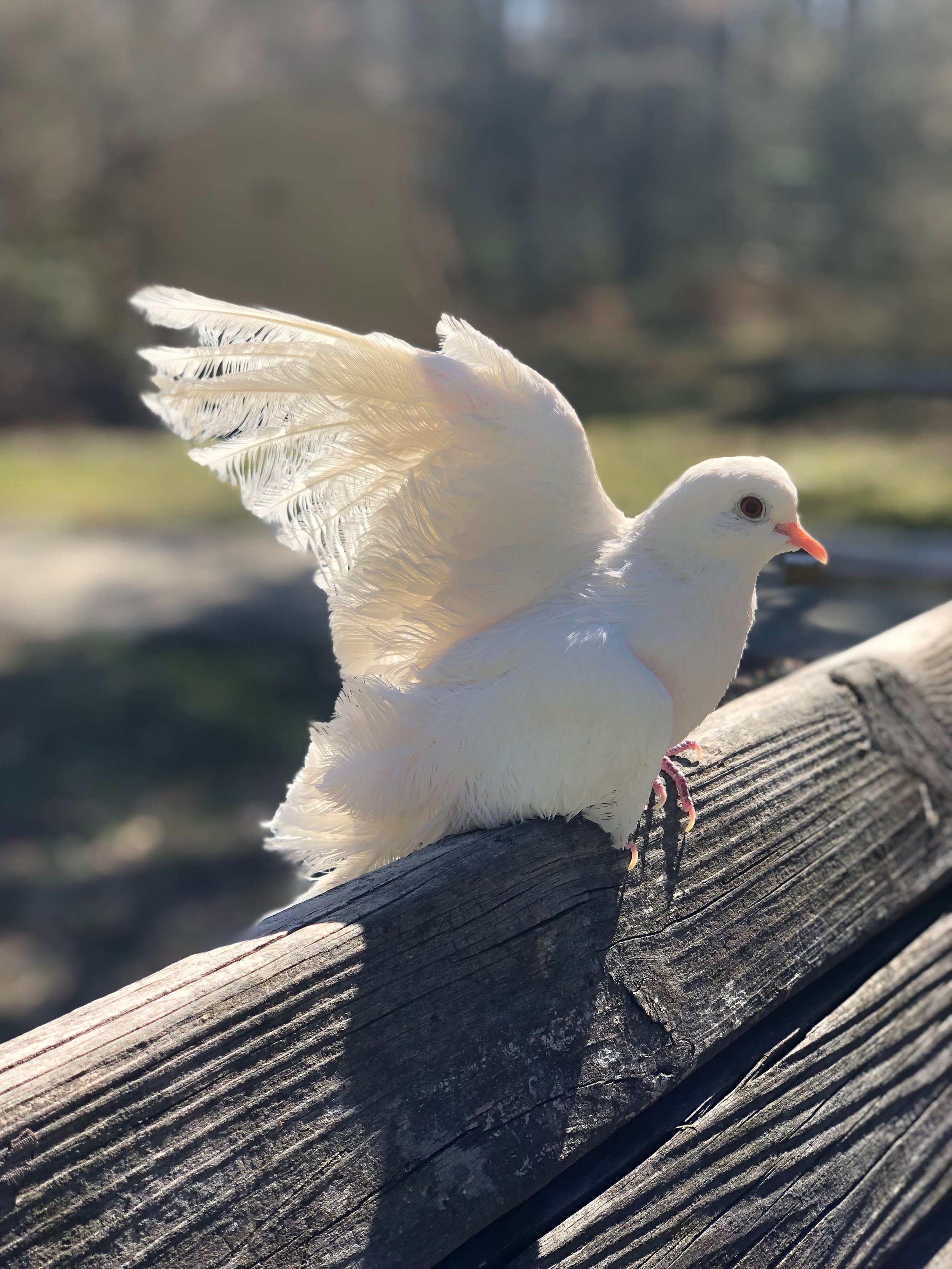
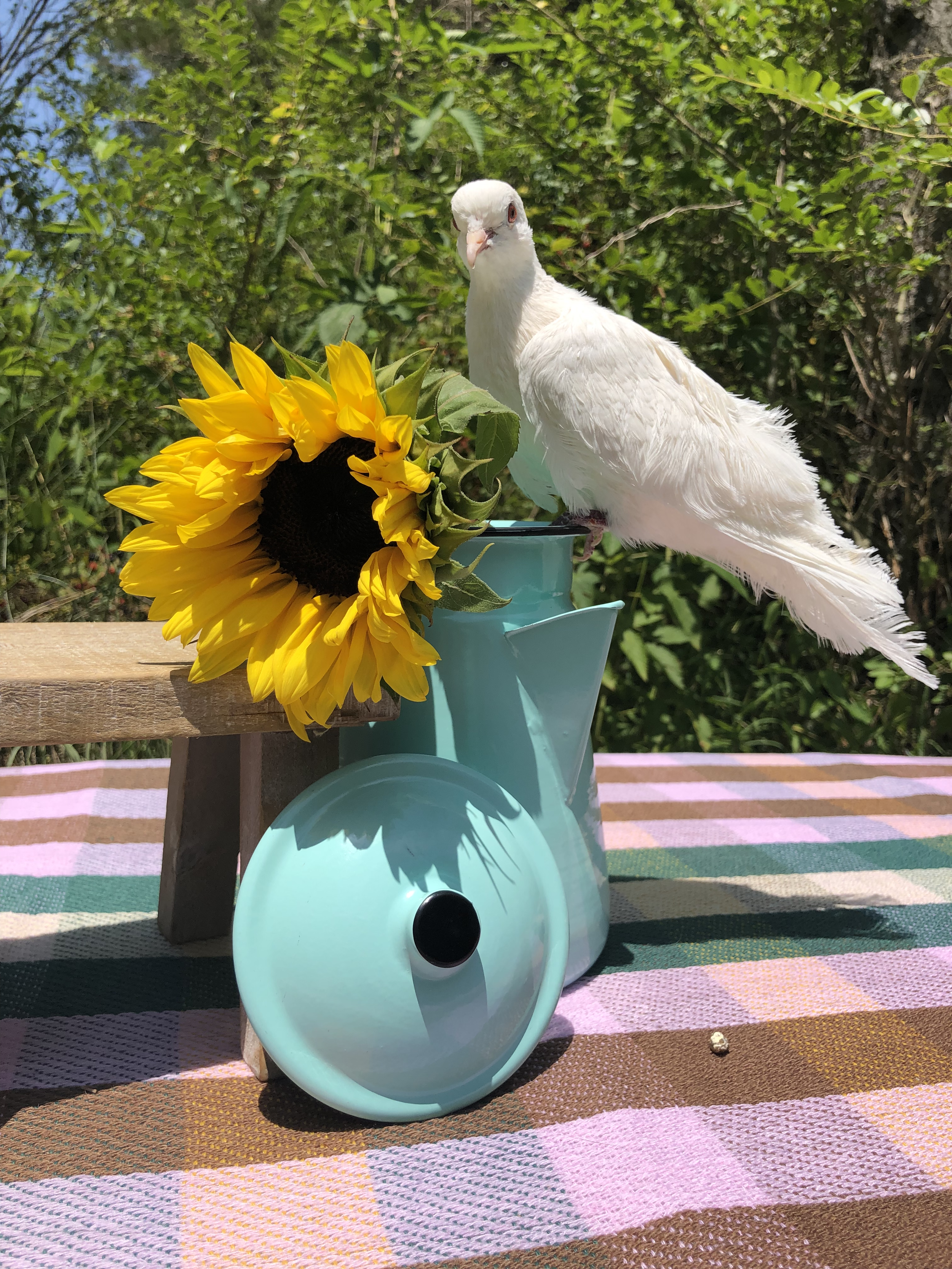
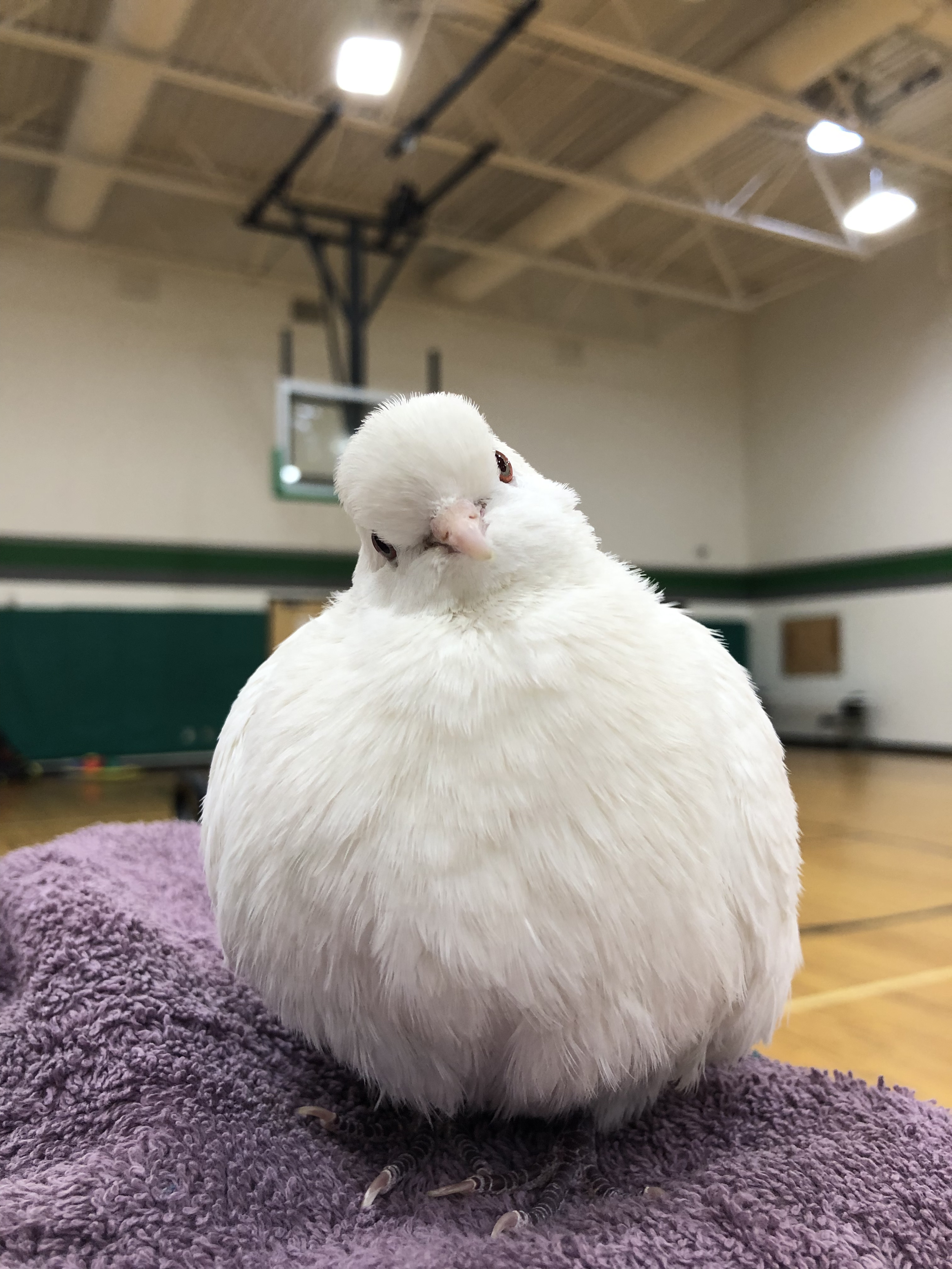
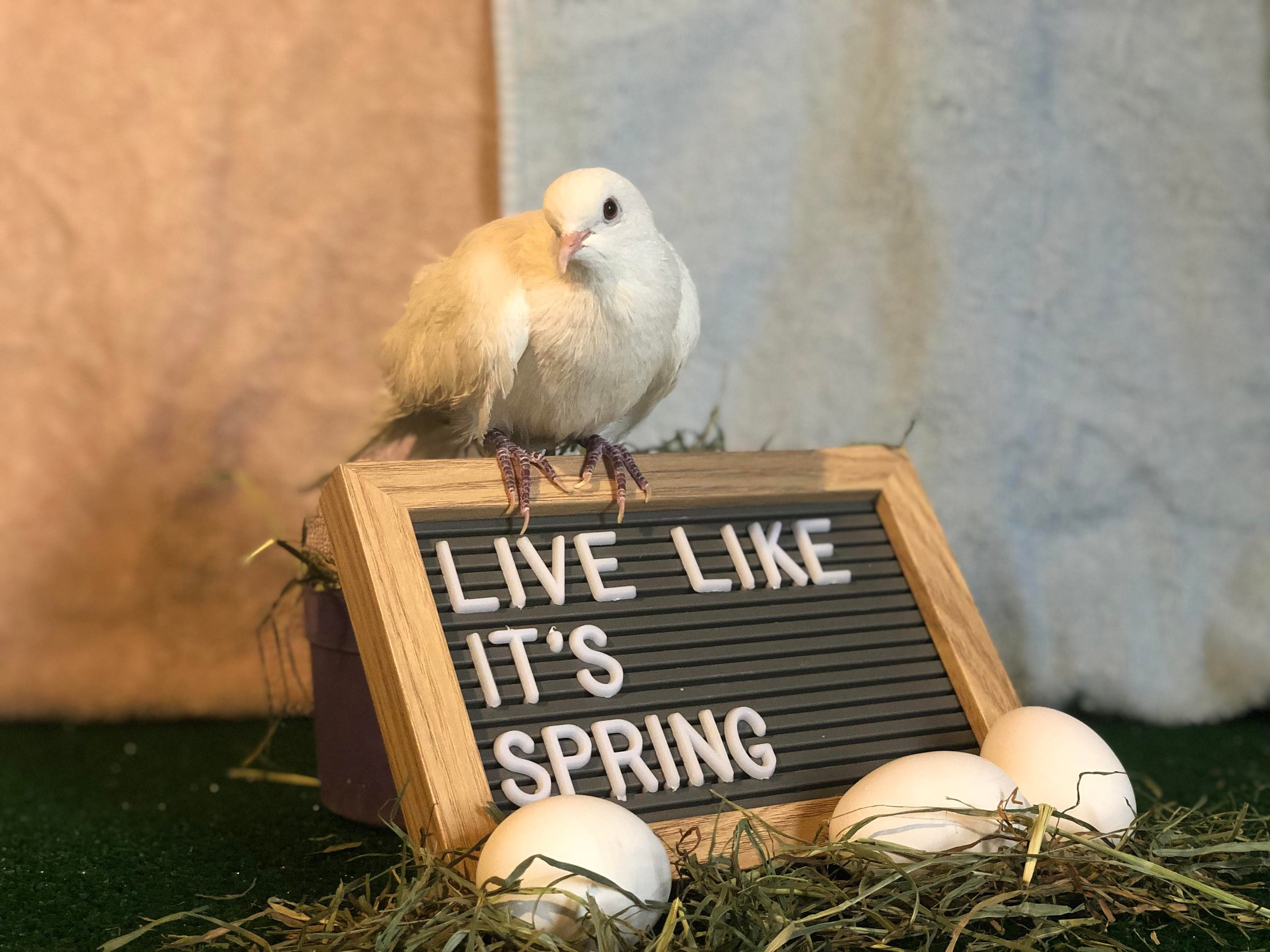
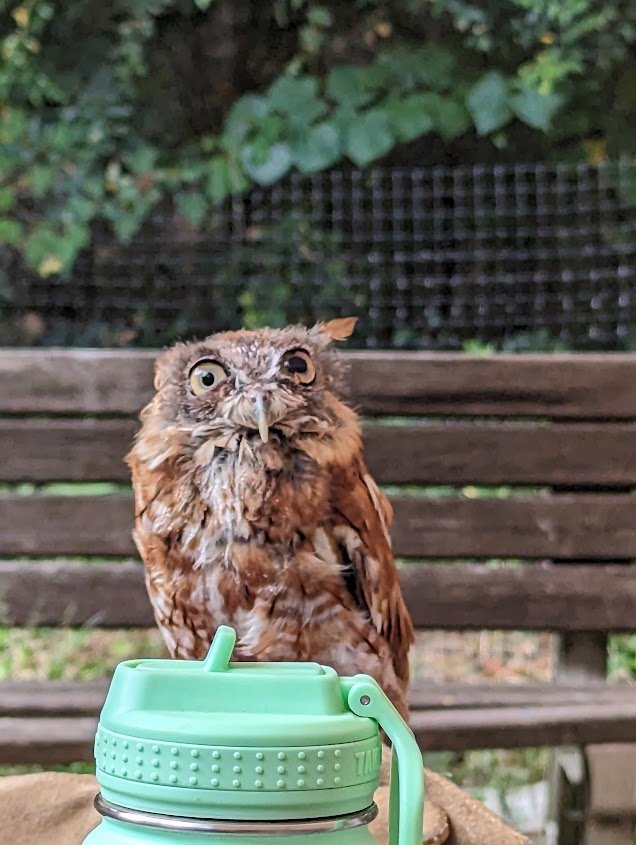
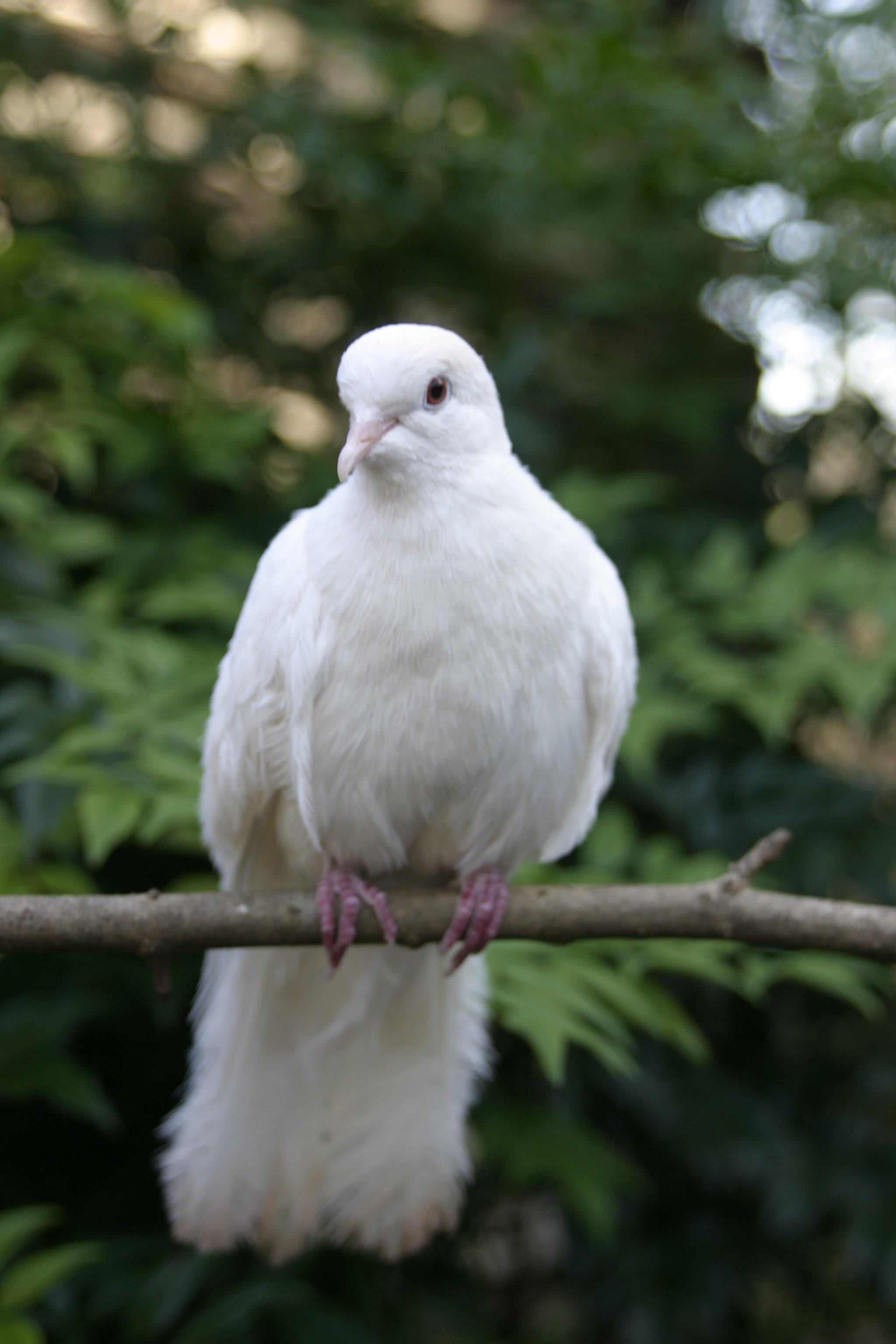
Our Conservation Team has had a rough start to 2024. We are heartbroken to announce that Miracle, our frizzled ringneck dove, passed away last week on January 2nd. He was 16 years old.

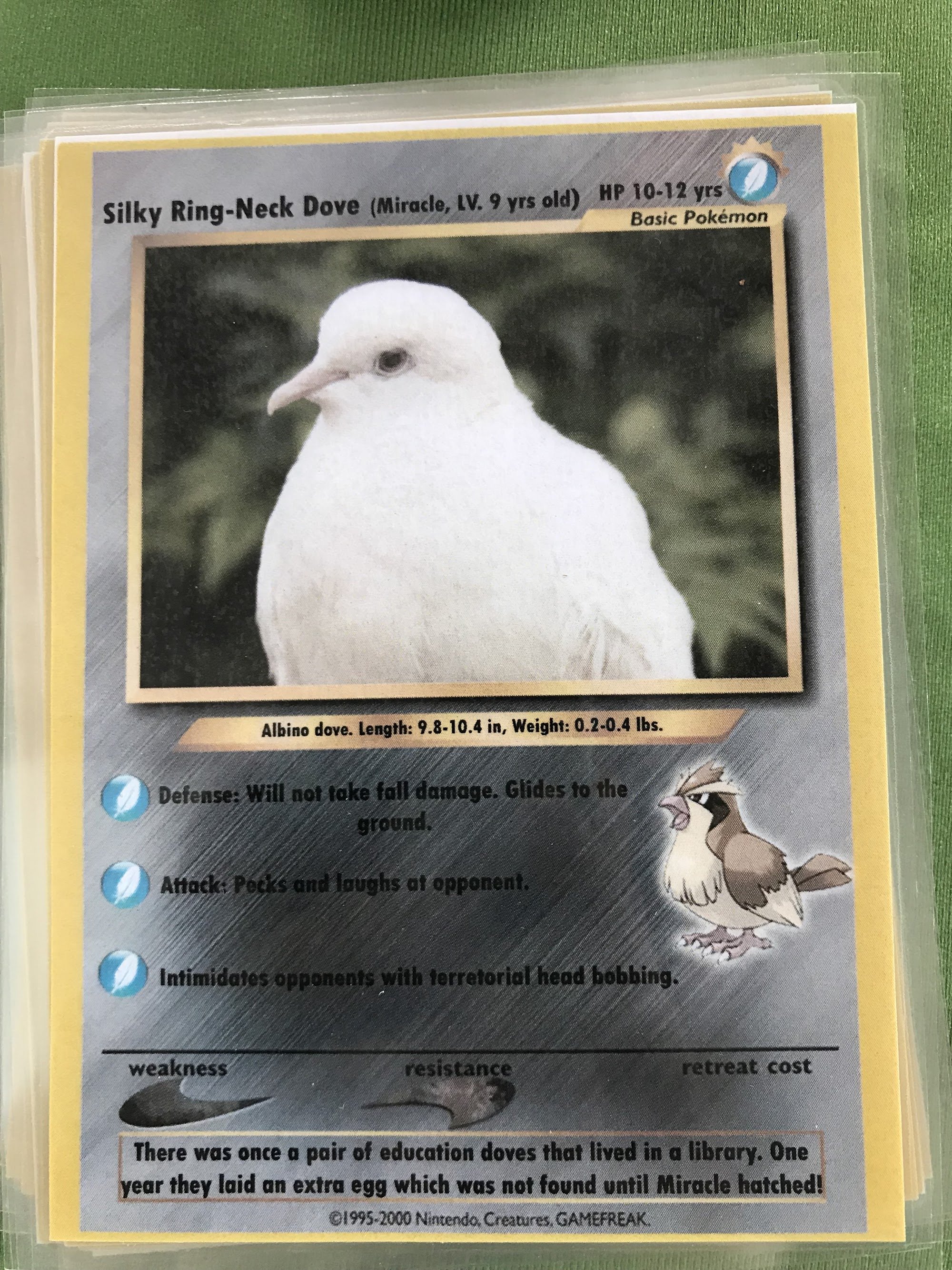
Miracle was born in 2007 to a pair of doves kept at a library as education animals. His parents always laid two eggs each year, and their caretakers would remove the eggs before they hatched. One year, unknown to the library staff, the pair laid an additional egg – which hatched into Miracle! The library donated Miracle to “Birdman” Dave, and Piedmont Wildlife Center adopted Miracle from Dave in 2009.

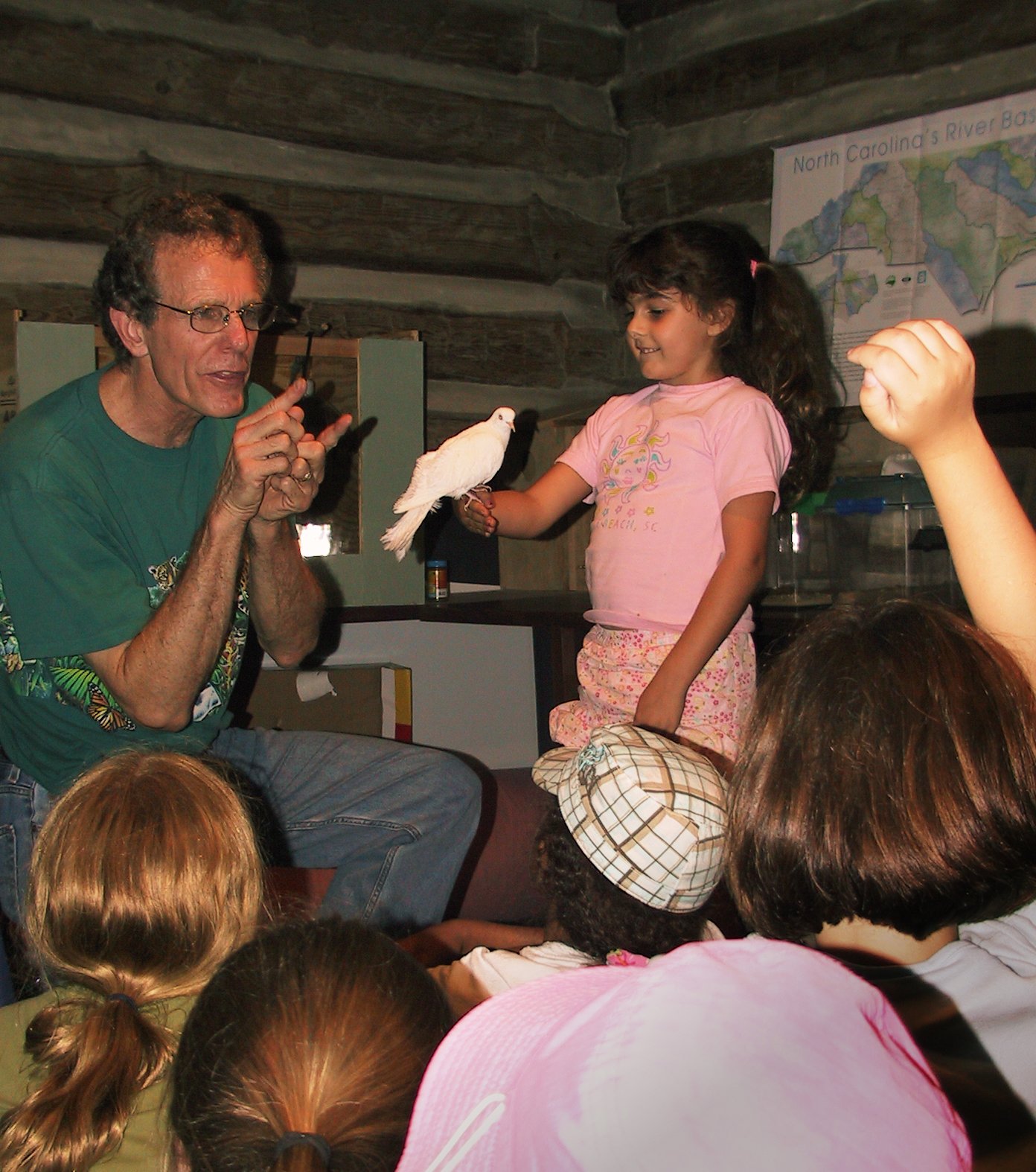
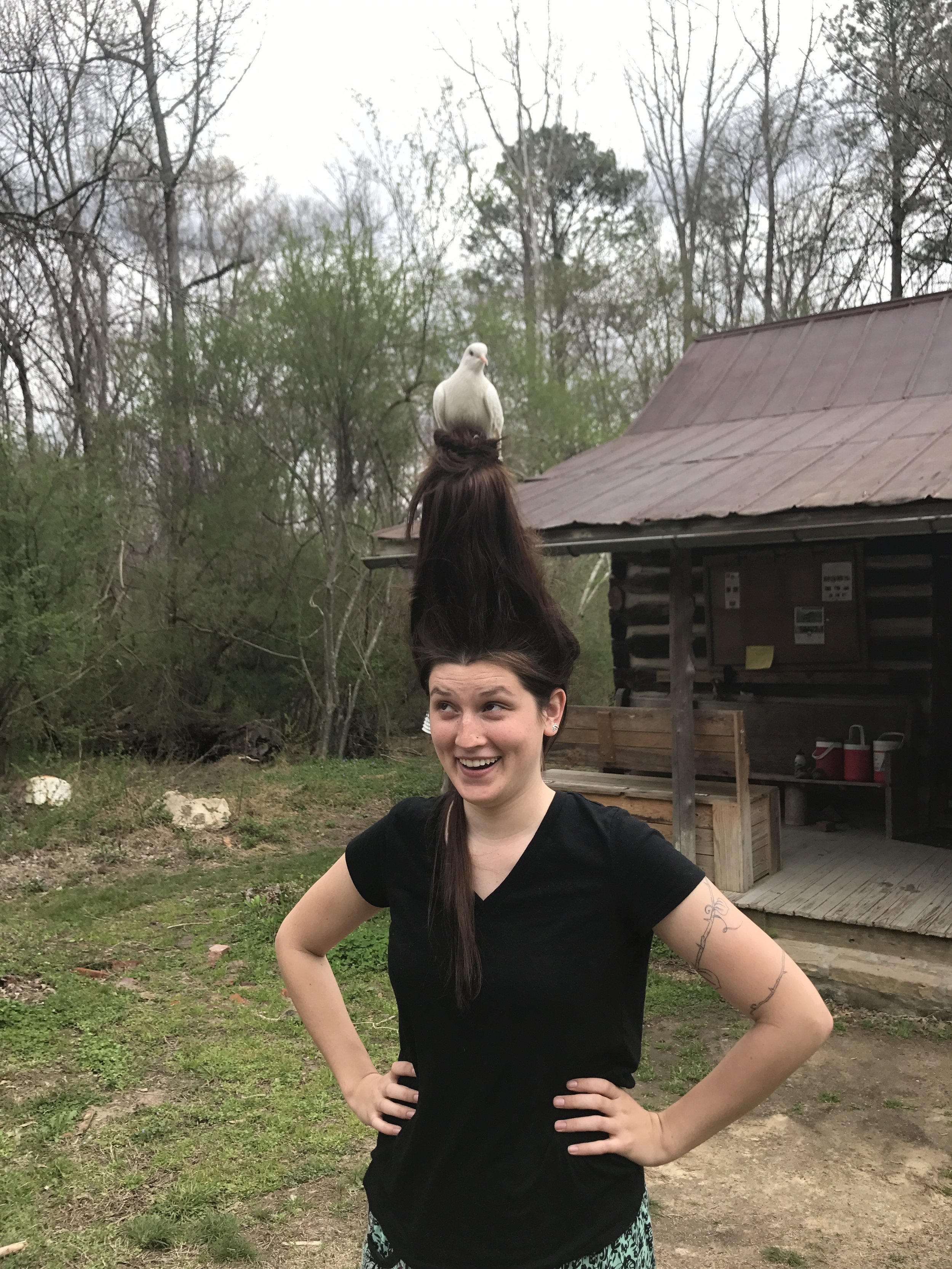
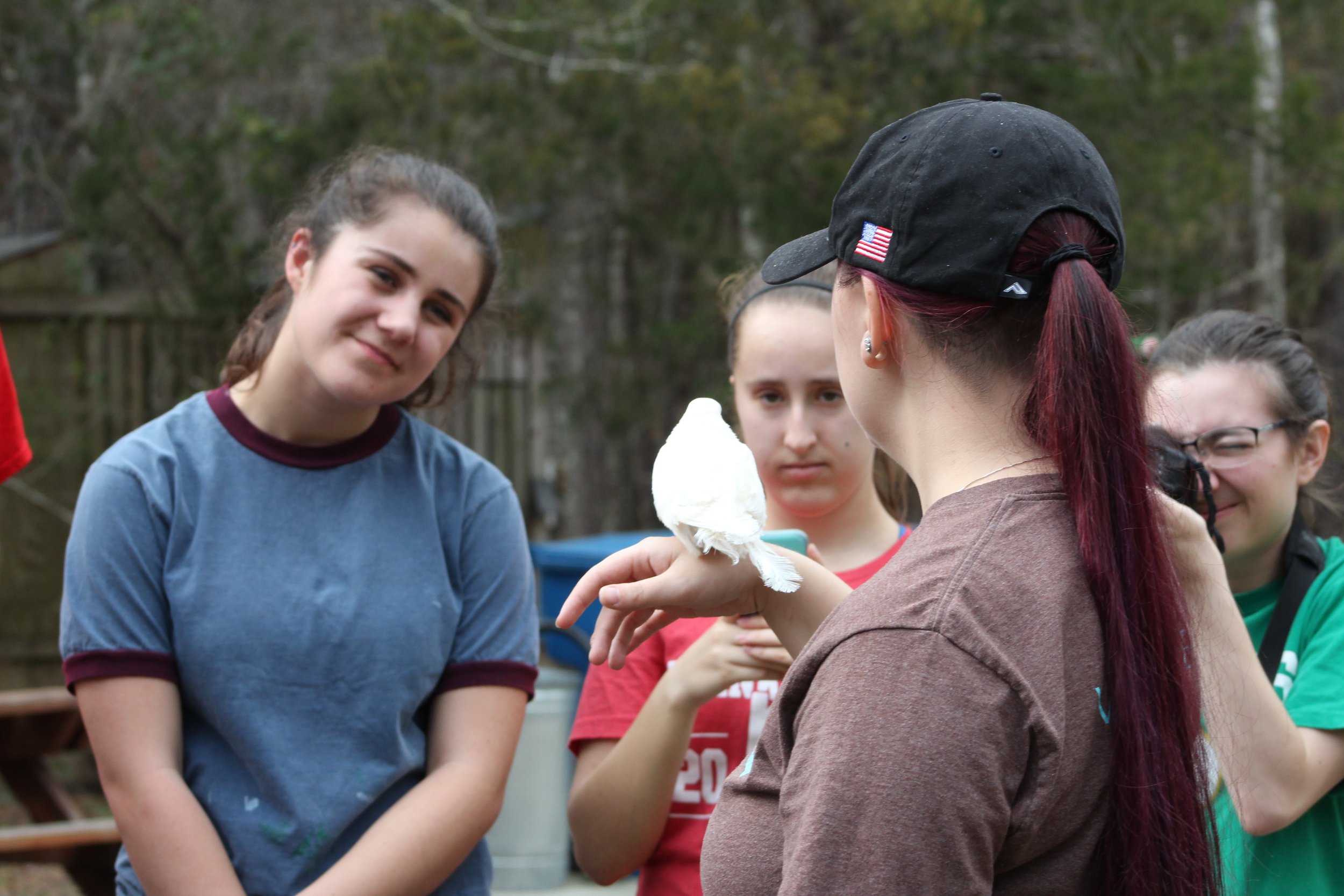
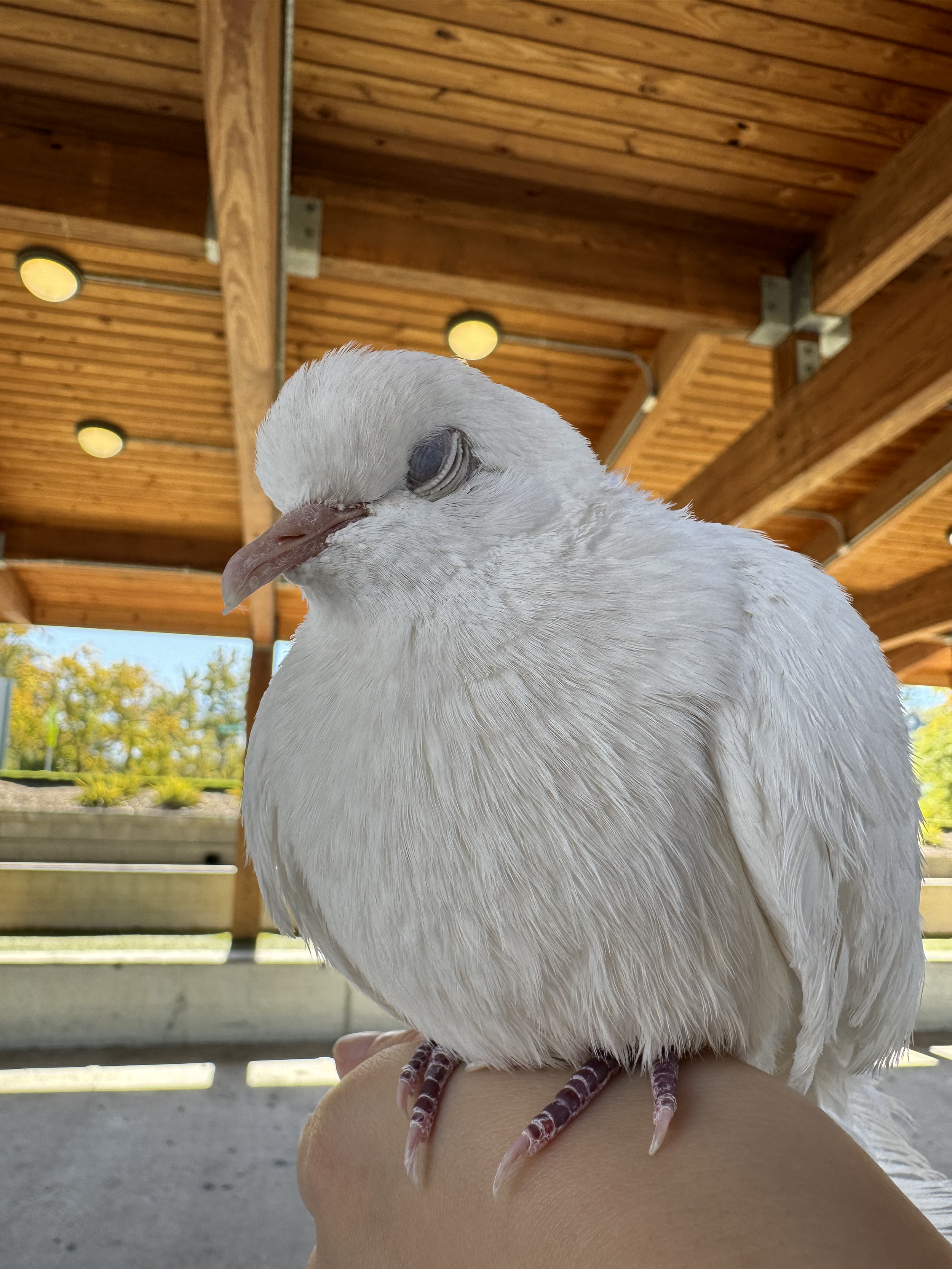
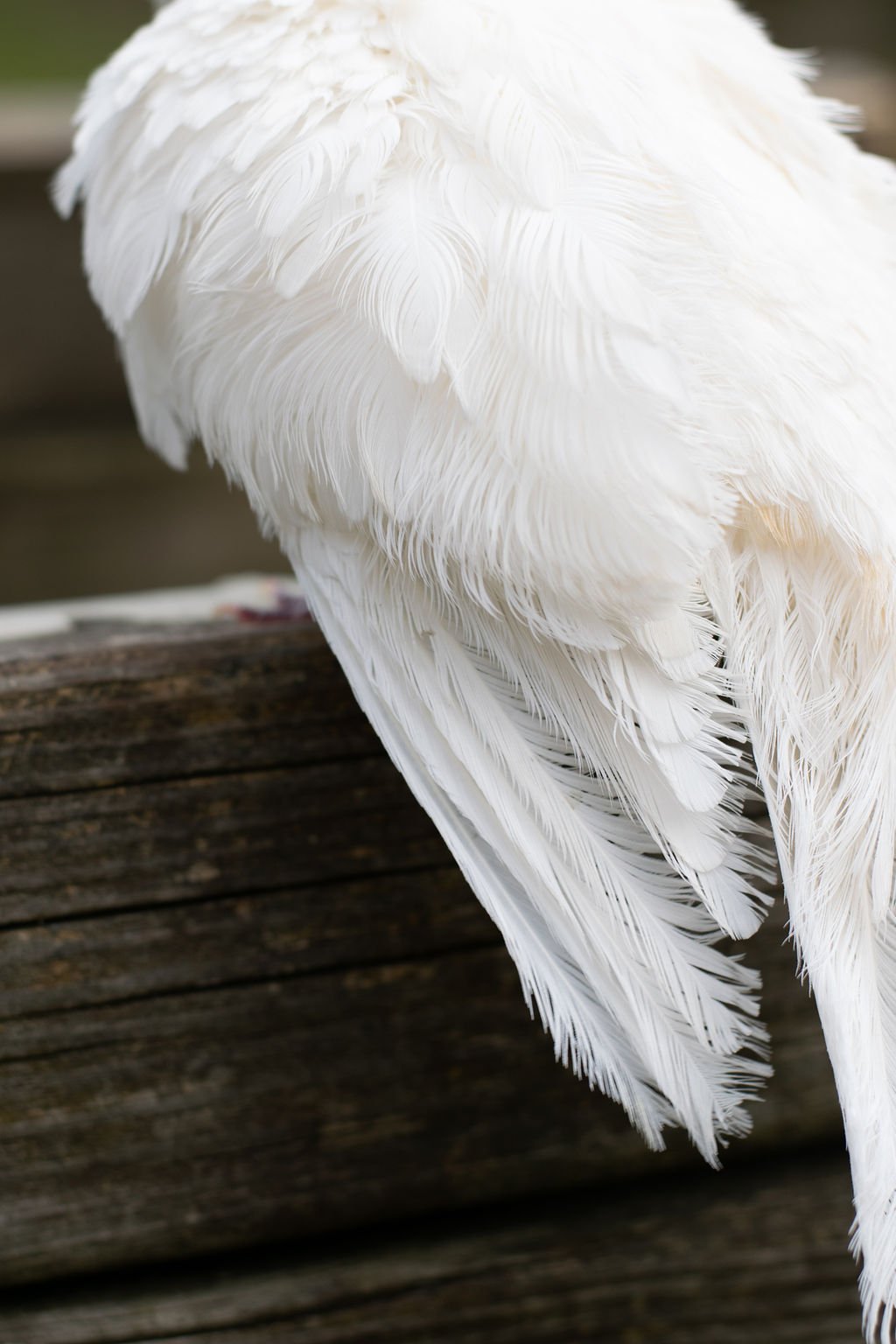
While ringneck doves are domesticated birds not native to North Carolina, Miracle played a very important role in our animal programming. Unlike our raptors, which do not enjoy touch from humans, Miracle happily accepted pats from both PWC staff and the public. Getting to meet a gentle, patient bird up-close was an inspiring educational moment for students at the schools he visited. His unique characteristics helped our educators teach about albinism, feathers, bird anatomy, and responsible pet ownership, among other topics.

Even adults found Miracle inspiring. Many visitors at outreach events told us that Miracle was the first bird they’d ever touched!

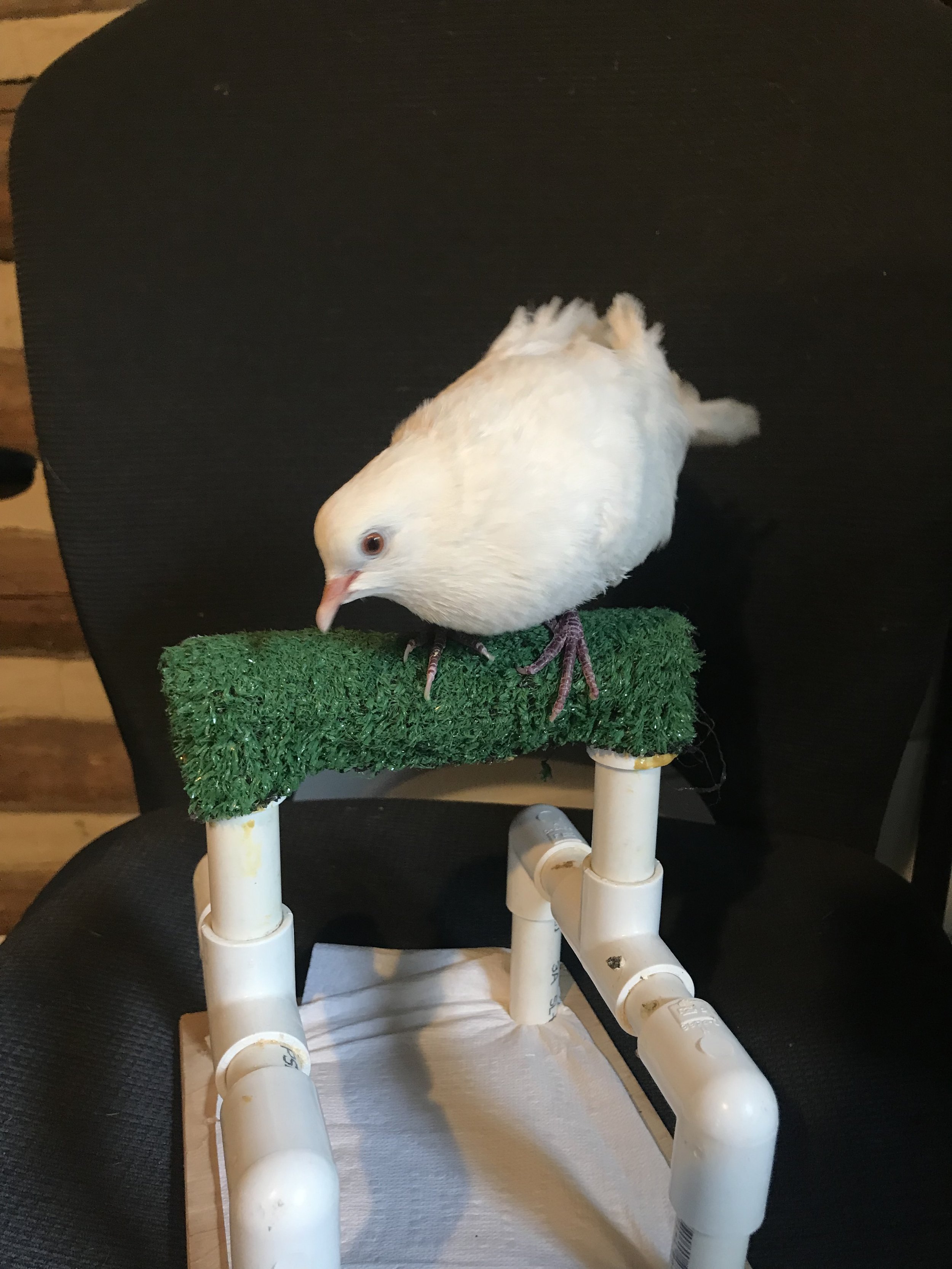
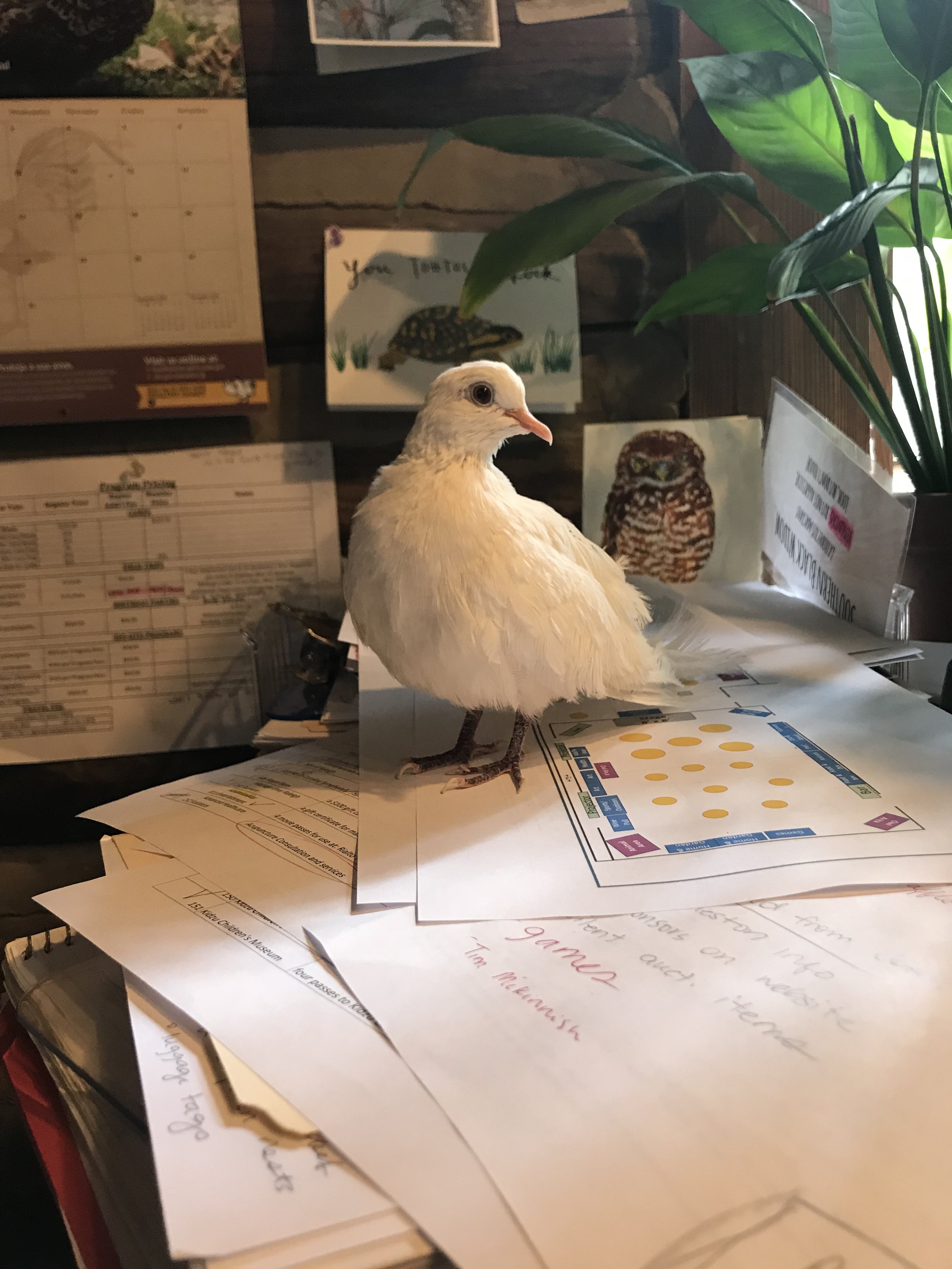
Miracle’s sweet-but-sassy personality made him a favorite among our staff and volunteers. As the “training bird” for our Raptor Team, Miracle gave new raptor trainers valuable experience holding and transferring a bird before moving on to handle our hawks and owls. He also kept our office staff in line, diligently interrupting meetings with his cackling call and overseeing important computer work from staff members’ shoulders.

If you would like to make a gift in Miracle’s memory, you may do so at the link below or at https://www.piedmontwildlifecenter.org/donate. Thank you for helping us keep him happy, healthy, enriched, and curious about the world for the last 14 years. We miss you, little buddy.

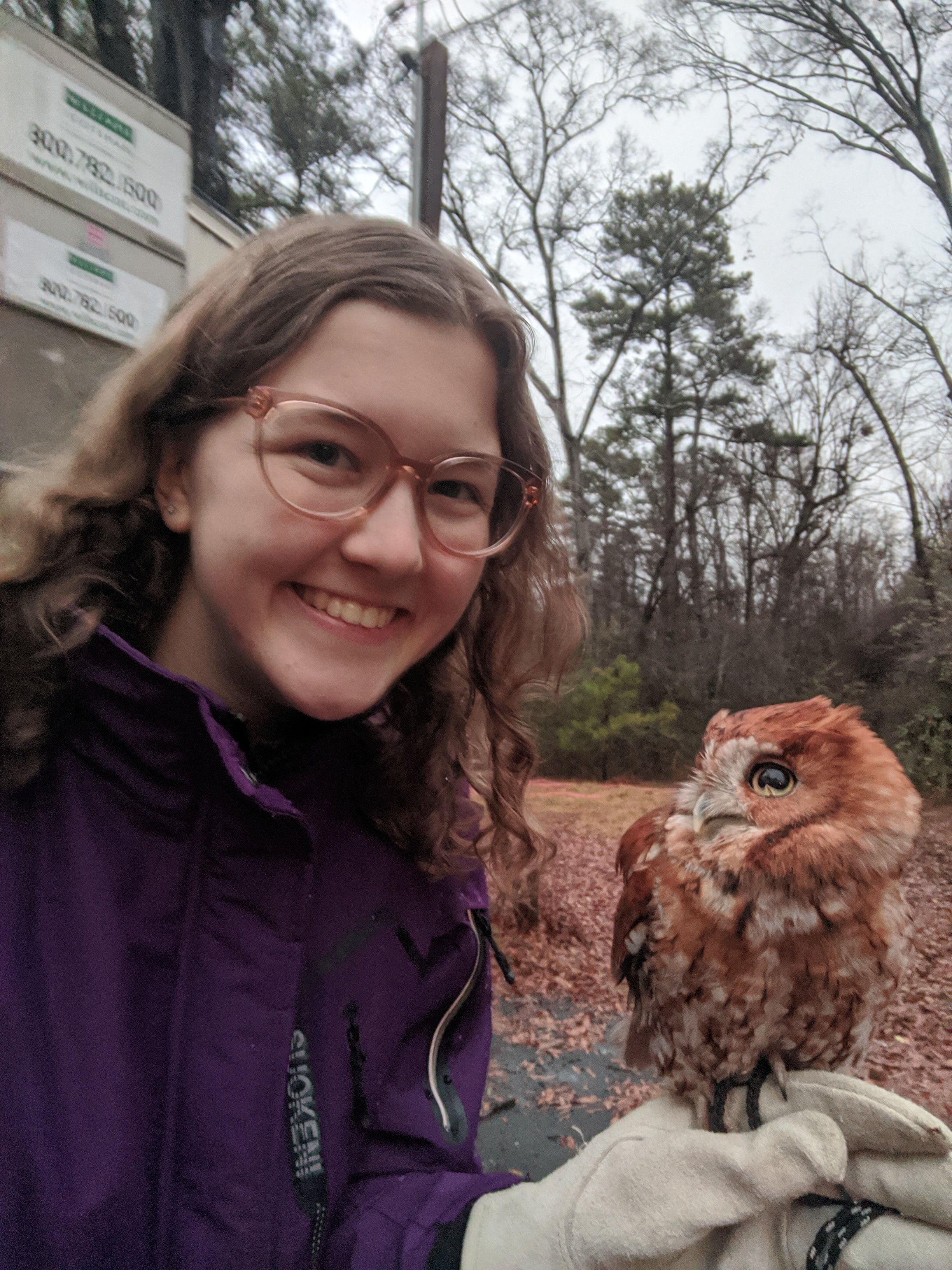
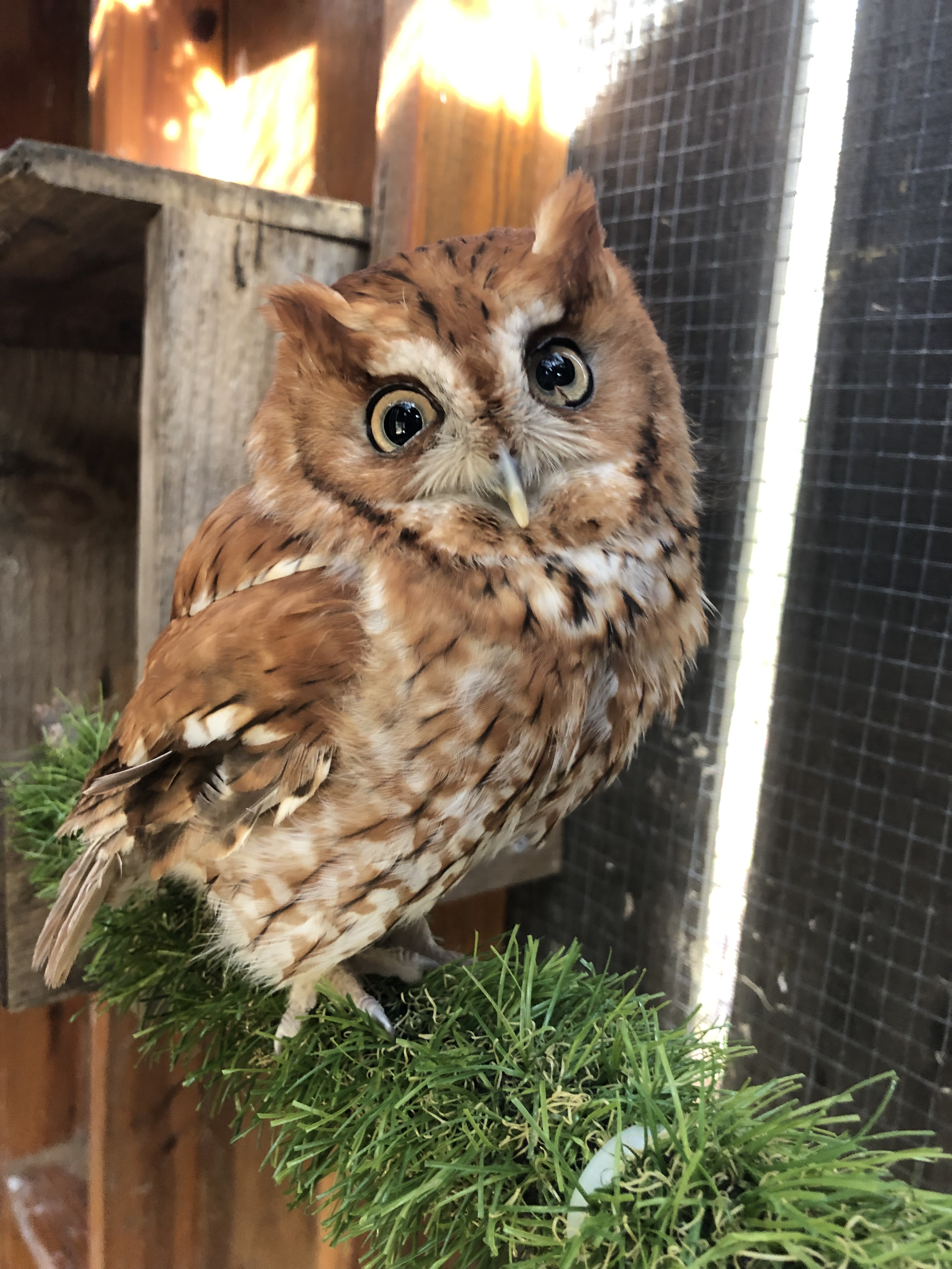
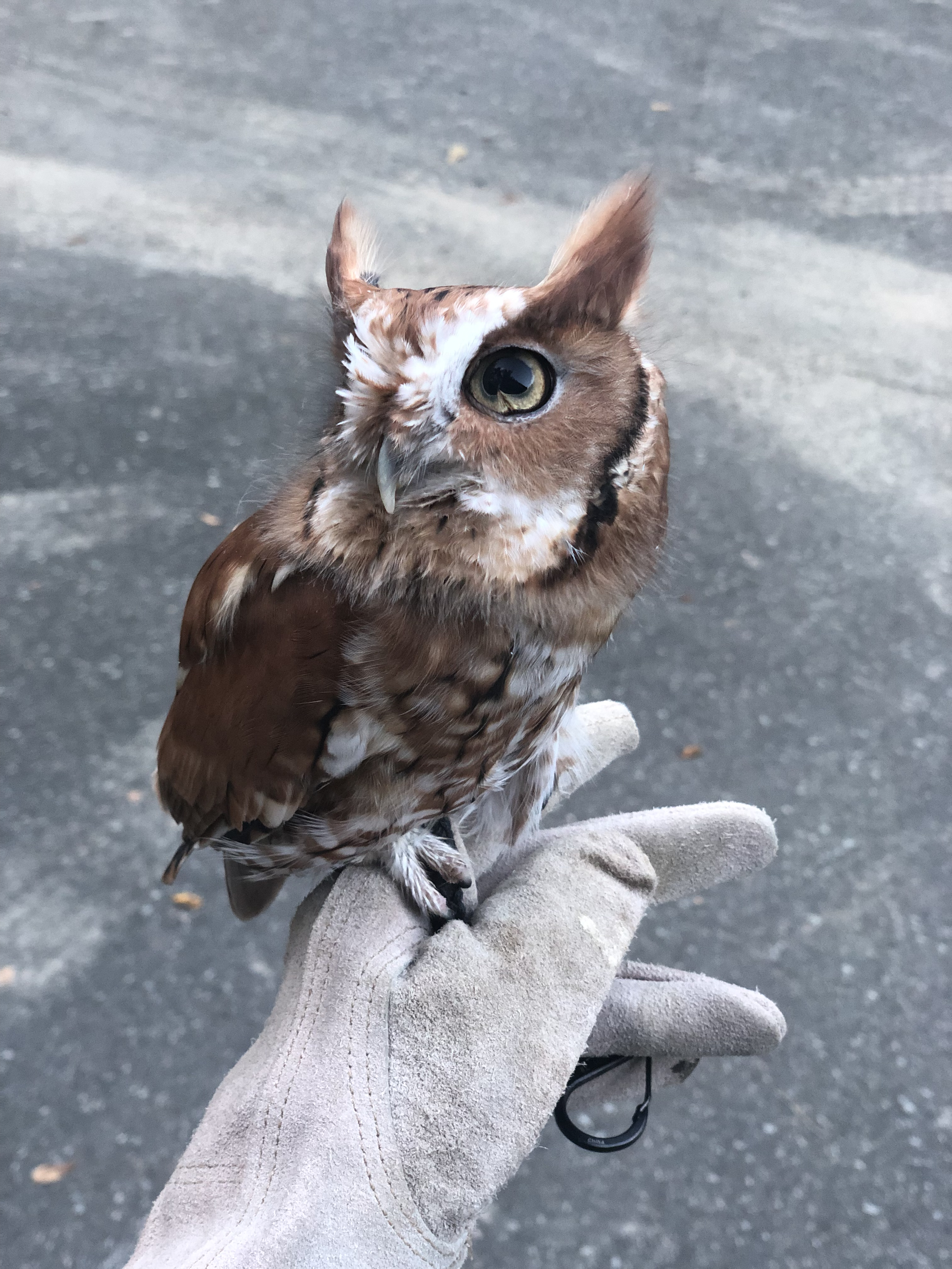
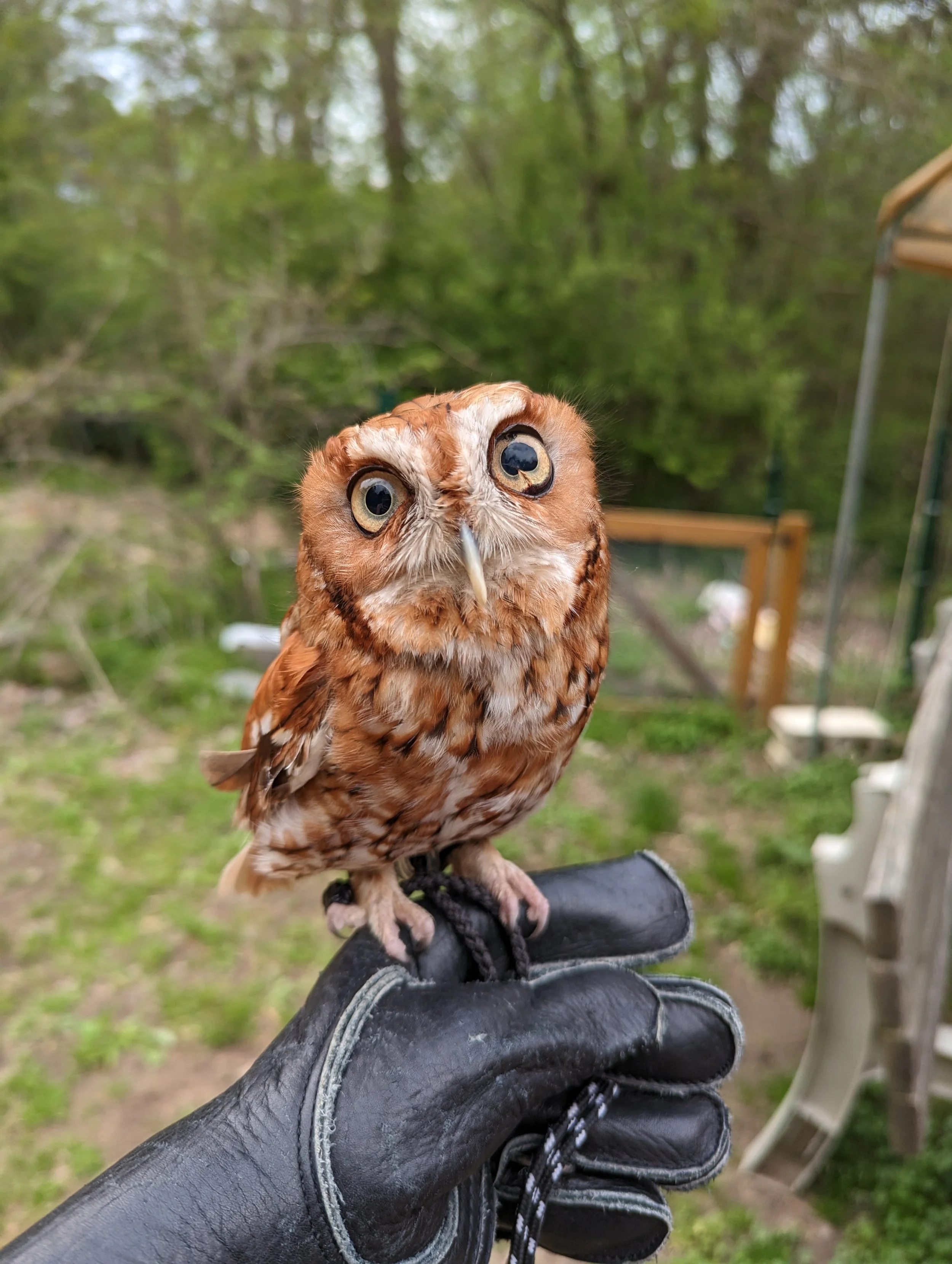
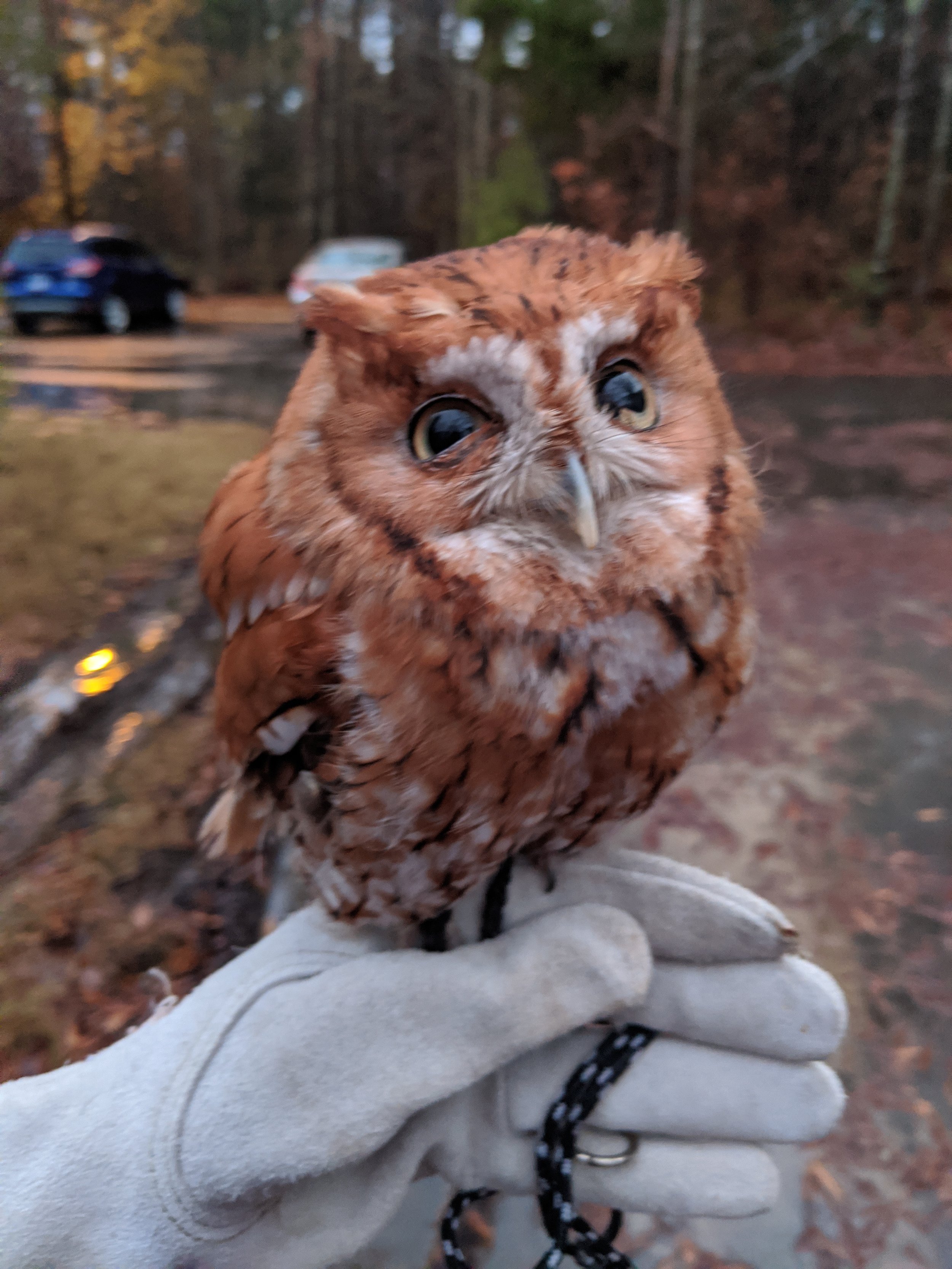
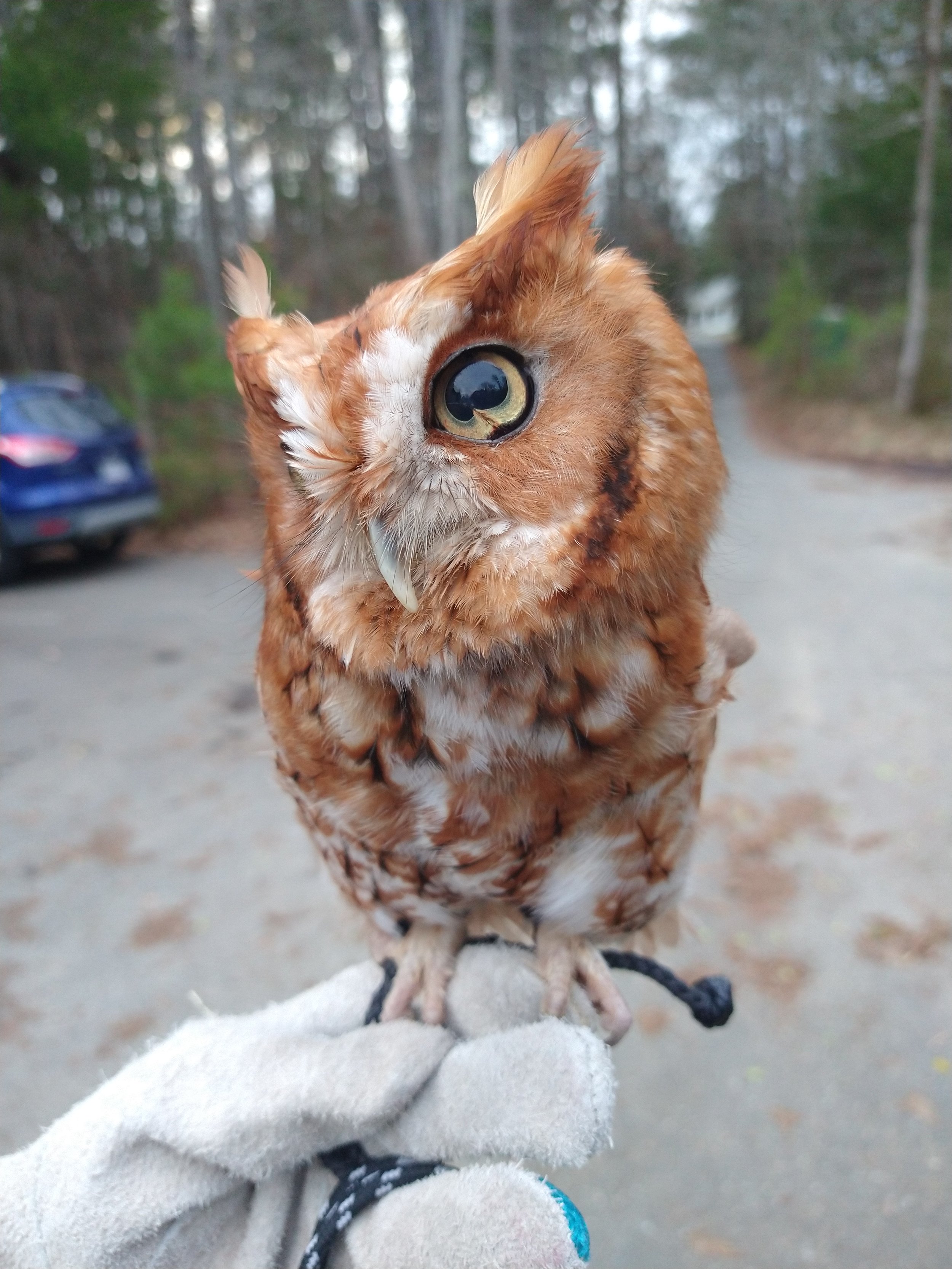
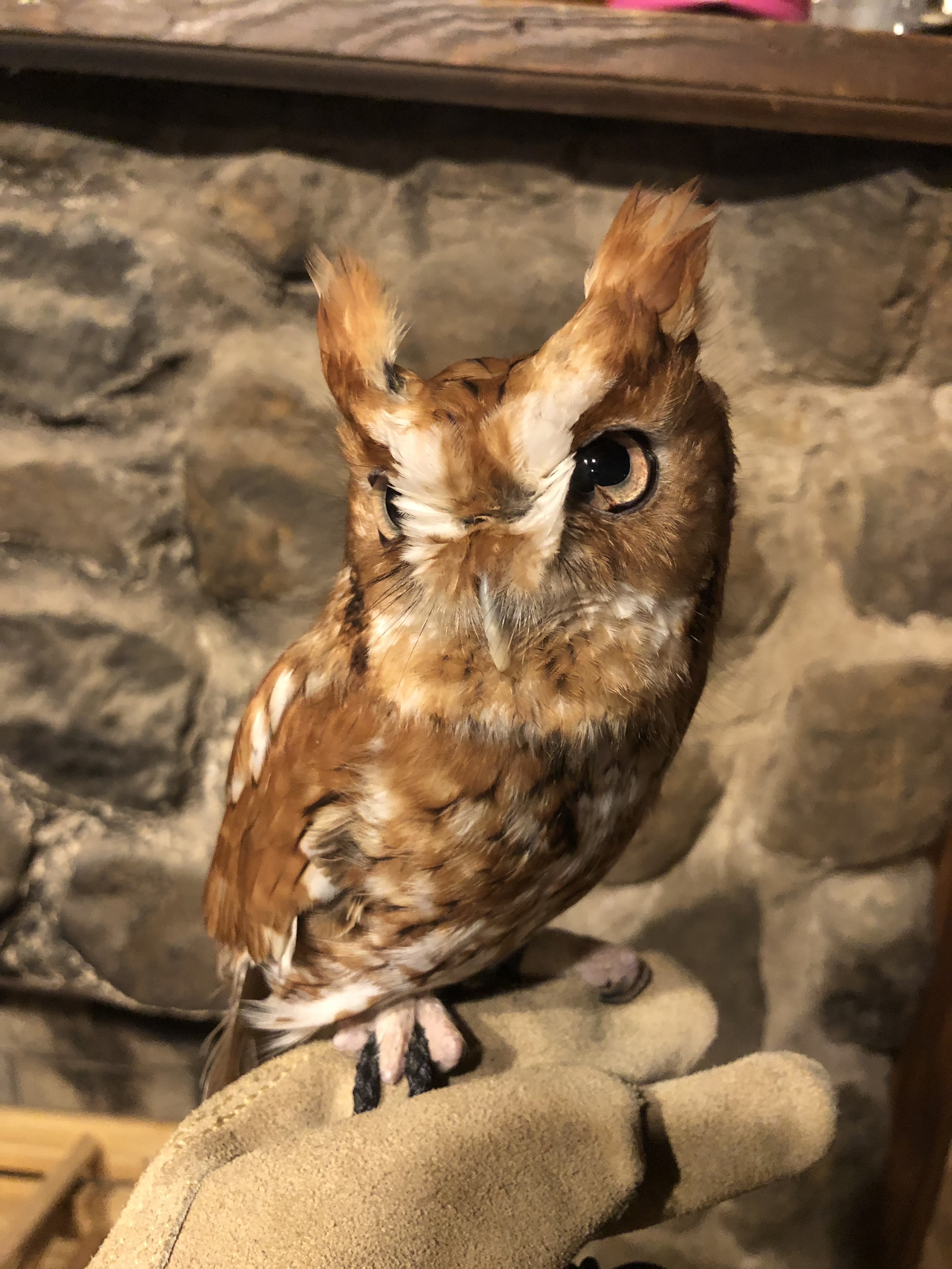
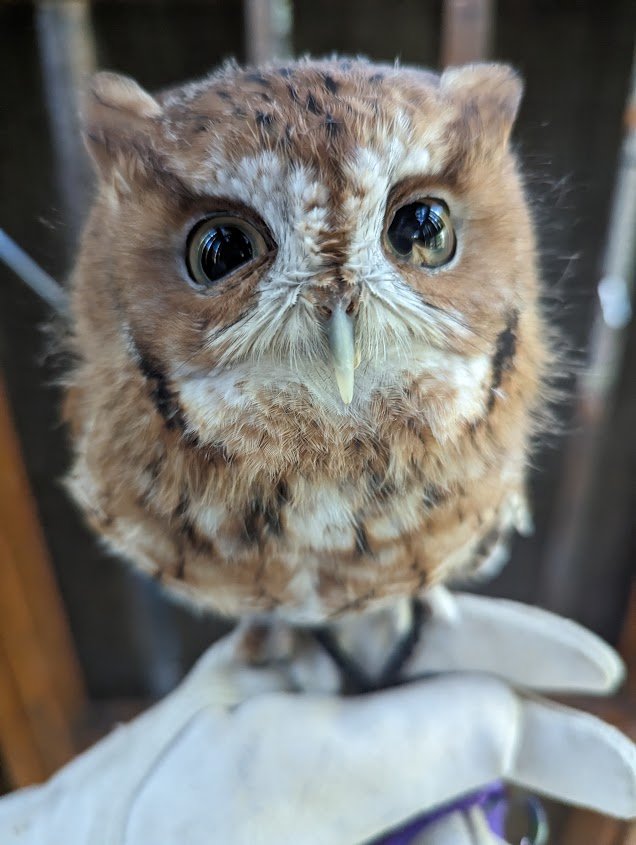
In Memory: Arlo the Eastern Screech Owl

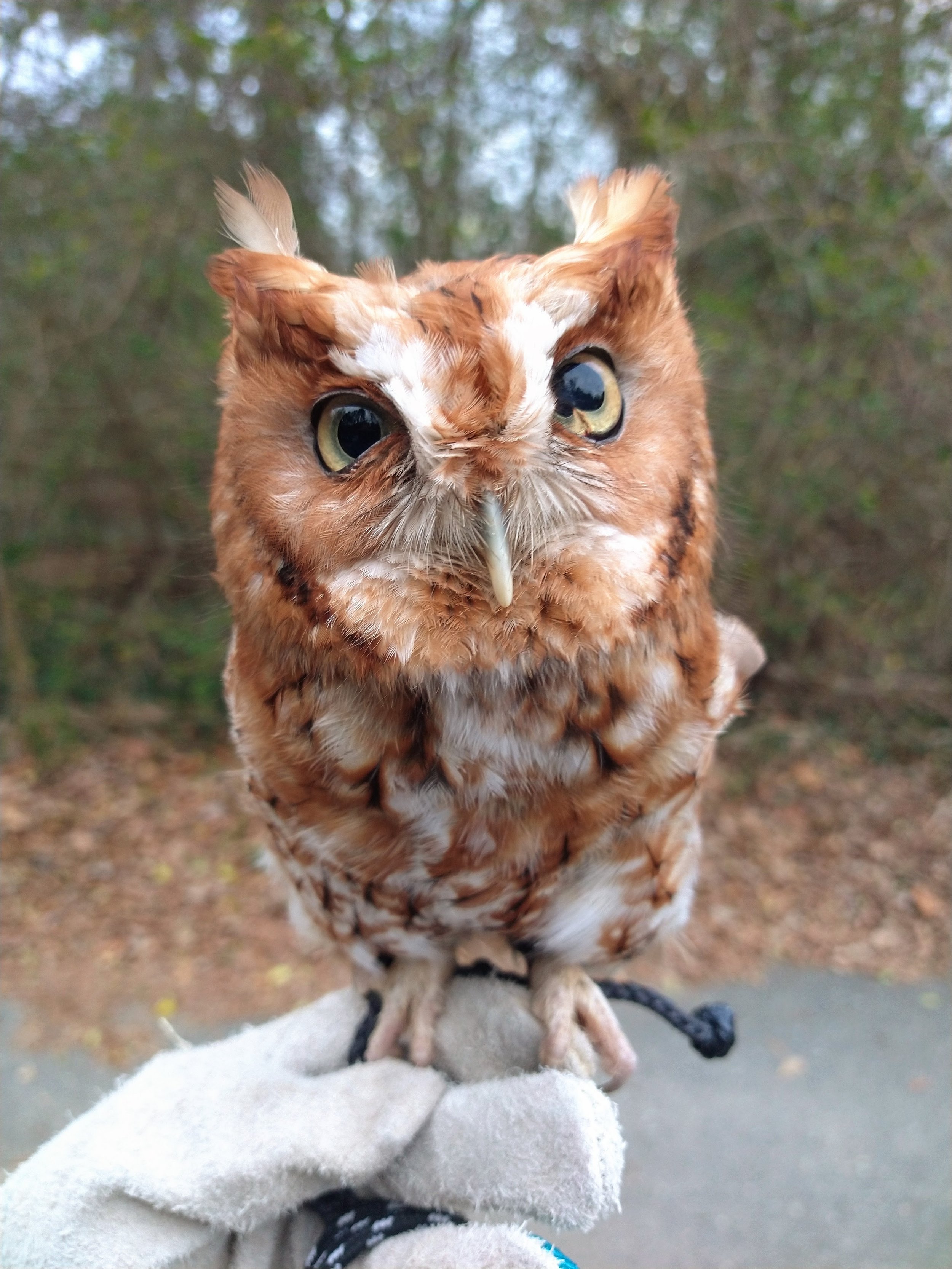
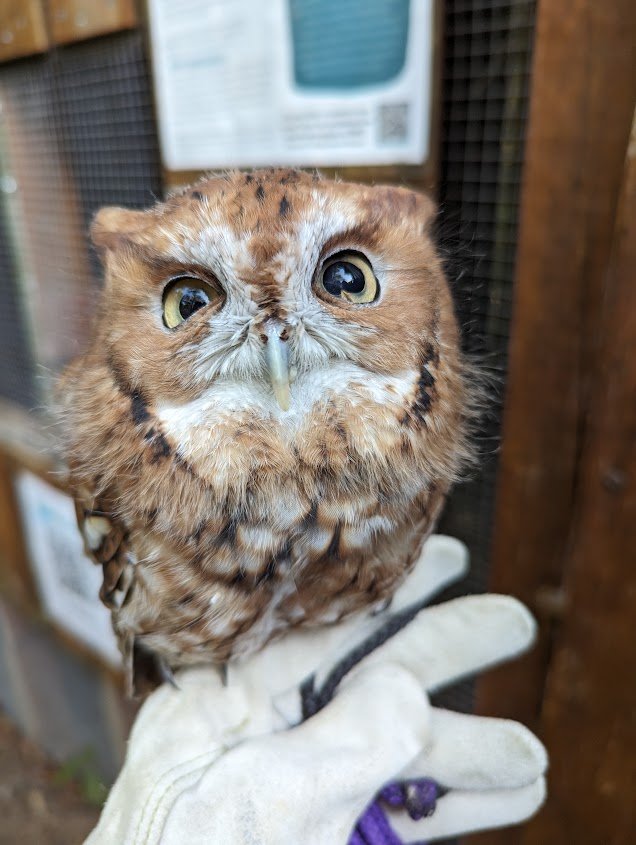
We are so sad to share that Arlo, our eastern screech owl, passed away unexpectedly last month. Arlo came to us in October 2022 from Nature’s Nanny Wildlife Rehabilitation in Chesapeake, VA, where he’d been deemed non-releasable after sustaining head trauma and an eye injury in a collision with a van. His calm temperament on the glove (and adorable fluffiness!) quickly made him a favorite of our raptor handling team.

Our staff and volunteers work hard to give our Ambassador Animals the best quality of life possible. Because we only work with non-releasable wildlife, however, we understand that many of our animals come to us with permanent injuries that may ultimately shorten their lifespans. After speaking with our vet team and other experts, we believe Arlo’s neurological issues played a role in his passing.

During the year he was with us, Arlo met hundreds of kids and adults at school programs, outreach events, field trips, and raptor tours. His story helped us teach the importance of coexisting responsibly with wildlife, and gave nature lovers of all ages an opportunity to learn about the smallest owl species native to the Durham area.

Arlo may have been a small owl, but we know he had a big impact on our team and the communities we serve. Whether you worked with Arlo as a volunteer, met him at a program, or donated to our Wildlife Ambassador fund, thank you for helping us share our little friend with the world. If you would like to make a gift in Arlo’s memory, you may do so at the link below or at https://www.piedmontwildlifecenter.org/donate

(Note: Piedmont Wildlife Center focuses on education and conservation, and does NOT rehabilitate injured or orphaned wildlife. If you’ve found a wild animal who needs help, please contact Our Wild Neighbors at 919-428-0896)

Community Spotlight: Dave "Crescent" Cook

What makes Piedmont Wildlife Center's outdoor education programs the Best Summer Camp in Durham? It could be the supportive, close-knit community among our campers and staff. It could also be our hands-on approach to nature education through fun skill-building activities and games. Maybe it's that we get to use some of the best parks in the Triangle as our classroom, or the occasional exciting visit with our Ambassador Animals. Or maybe it's how much fun we have climbing trees and wading in creeks!

But at the end of the day, it's our amazing staff (and their passion for sharing the wonders of the natural world) who really set our camps apart. This month, we're celebrating an educator who goes above and beyond to help our campers connect with nature: Dave Cook, better known by his camp name Crescent!

A longtime outdoor educator, Crescent has spent most of his life here in the Piedmont, learning its plants, animals, and ways. He joined our staff as a specialty counselor in Summer 2023 because, in his words, he wanted to "help give children the opportunity to develop a relationship with nature." Crescent quickly impressed the rest of our team with his vast knowledge, musical talents, and ability to inspire campers! When summer camp ended, Crescent opted to stay on with us as a lead counselor in our Homeschool in the Wild program.

Crescent's favorite part of working with our campers is their enthusiasm for life. His favorite outdoor skill to teach at camp? "Fire," Crescent says. "Definitely fire." When he's not leading camp at PWC, Crescent enjoys playing music, cooking, reading books and poetry, and wandering. He also enjoys connecting with nature by walking outdoors. While he likes all animals, his favorite bird is the crow!

Thank you, Crescent, for sharing your expertise, mentorship, and sense of fun with us this year. We're so grateful to have you on our team, and we know our campers have grown so much learning from you.

Happy Winter Solstice from PWC!

Happy winter solstice from your friends at Piedmont Wildlife Center! Here in the northern hemisphere, today marks the official beginning of winter and is the longest night of the year. As we welcome the new season, the winter solstice is the perfect opportunity to reflect on the past year, gather with loved ones, and celebrate warmer days ahead!

Want to celebrate the longest night of the year with us? Read on for 3 of our favorite ways to welcome winter:

1. Get together with friends around a campfire

Time to break out the s’mores supplies! Here at Piedmont Wildlife Center, we love any excuse to practice our fire-making skills. Hanging out with friends and family around a campfire, a bonfire, or even a fireplace is the perfect way to anticipate the return of longer days in the spring - while staying cozy and warm right now!

Besides roasting marshmallows for yummy s’mores, gathering around a fire can be a great opportunity to reflect on the old year and welcome the new. Invite each person at your fire circle to share their favorite part of 2023, the biggest challenge they faced this year, and what they’re most looking forward to in 2024. (We use a version of this exercise called “rose, thorn, bud” with our campers during daily closing circles at our summer camps, Homeschool in the Wild, and other outdoor programs!) This practice helps everyone grow closer together, think deeply about the past year, and approach the new year with an attitude of gratitude.

Safety first! Always observe fire safety rules when lighting any fire, especially outdoors. Certain weather conditions can make it more likely for a fire to get out of control, so remember to check whether your area is under a local or state “burn ban” before planning your campfire.

2. Bundle up and go for a winter hike

The weather outside might be frightful, but don’t dismiss the magic of a wintry walk in the woods! The winter solstice is the perfect opportunity to revisit your favorite summertime hiking spots and notice how they’ve changed over the last few months. Some questions to guide your observations as you walk:

  • Do you see more or fewer birds here during this time of year? Are they different kinds of birds than you normally see? What do you notice them doing? Do you hear more or less birdsong? (If you’re hiking around sunset, keep an ear out for barred owls’ “who cooks for you” call. As winter goes on and mating season approaches, many species of owl will become more vocal to attract mates and establish their territories.)

  • How have the plants changed since the last time you were here? Which trees or shrubs have lost their leaves over the winter, and which ones are still green? How are animals interacting with them? Now that many trees have dropped their leaves, what can you see in the woods that you couldn’t before?

As always, check the weather before you go and be sure to wear the right clothes to stay comfortable. (Layers are your friend!) We don’t typically receive snow in December here in Durham, NC, but keep an eye out for slippery ice or frost on the trail.

3. Celebrate the wonders of North Carolina wildlife

Too cold to go outside? You can celebrate the wonders of wildlife from the comfort of your own home! Put on a winter-themed nature documentary, read one of our staff’s favorite nature books for kids or adults, download a holiday-themed wildlife coloring booklet from our Nature Store, or make plans to start your own pollinator garden with native plants in the spring.

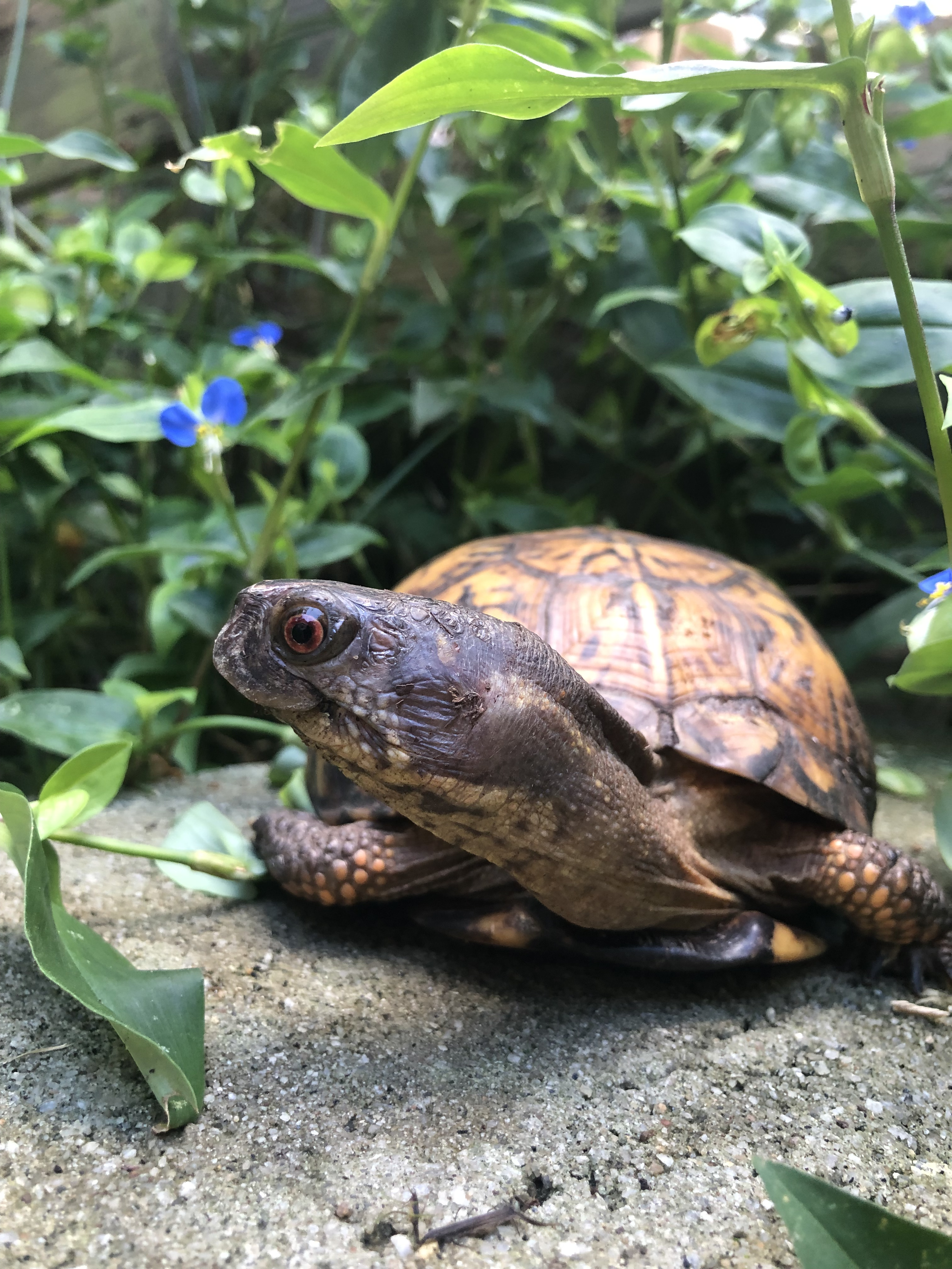
Better yet, consider supporting the care of our Ambassador Animals through our Adopt-an-Ambassador program. This month only, we’re offering a holiday adoption package for just $30. Receive an exclusive virtual holiday card from Pumpkin the opossum, Juniper the great-horned owl, Miracle the dove, or Shelly the eastern box turtle - plus a special holiday video from your selected Ambassador, an educational info packet, and “adoption” certificate! Visit our online Nature Store to get started.

However you choose to celebrate today’s solstice, we hope this winter finds you happy, healthy, and passionate about protecting the natural wonders all around us! Thank you for helping Piedmont Wildlife Center connect people with nature, today and all year long.

Protect wildlife this World Wildlife Conservation Day

Happy World Wildlife Conservation Day from Piedmont Wildlife Center! This day celebrates the progress we’ve made towards protecting biodiversity through conservation efforts like the Endangered Species Act. It also spreads awareness of the threats that continue to face wildlife worldwide, especially the illegal trafficking of animals and animal products as pets and luxury goods.
Today, we're reflecting on how illegal wildlife trafficking threatens animals in North Carolina and beyond - and what steps we can take to makes sure eastern box turtles and other wildlife stay wild. Here are 3 easy ways to say "NO" to the illegal wildlife trade:

#1. oPT FOR CAPTIVE-BRED PETS

Want to care for an unusual pet like a snake, turtle, or parrot? Make sure the animal you're purchasing is captive-bred by an ethical breeder. (Or adopt from a responsible rescue like BeWild Reptile Rescue!) Never purchase an animal that was taken from the wild, as this hurts wild populations and increases demand for trafficked animals.


#2. Keep wildlife Wild

Remember: Opossums, squirrels, and owls may be cute, but they aren't pets! Not only is it illegal to keep them in North Carolina without a permit, but these animals require specialized care that most households can't provide. If you find a wild animal that needs help, contact a licensed rehabilitator like Our Wild Neighbors instead of trying to care for it yourself.

**Please note that Piedmont Wildlife Center focuses on education and conservation and is NOT equipped to accept, treat, transport, or raise injured or orphaned wildlife. If you are in the Durham-Raleigh-Chapel Hill area, please contact Our Wild Neighbors (919-428-0896) or one of these specialized organizations:

Carolina Raptor Center (birds of prey): 704-875-6521

Carolina Waterfowl Rescue (ducks, geese, other birds): 704-286-6330

NC State Turtle Rescue Team (turtles, other reptiles): 919-397-9675

You can find additional resources at Animal Help Now and the NC Wildlife Resources Commission.


#3. rESPECT THE MIGRATORY BIRD TREATY ACT

Did you find a hawk, eagle, or owl feather in the woods? Admire it... but don't take it home. In the USA, birds of prey are protected under the Migratory Bird Treaty Act. It's illegal to possess any part of them without a permit, feathers included.

Want more ways to help protect wildlife? Get involved with our Triangle Turtle Trekkers citizen science project to help us monitor declining eastern box turtle populations in North Carolina! With your help, we can protect wildlife and their habitats for generations to come.