Ambassador Animals

In Memory: Miracle the Dove

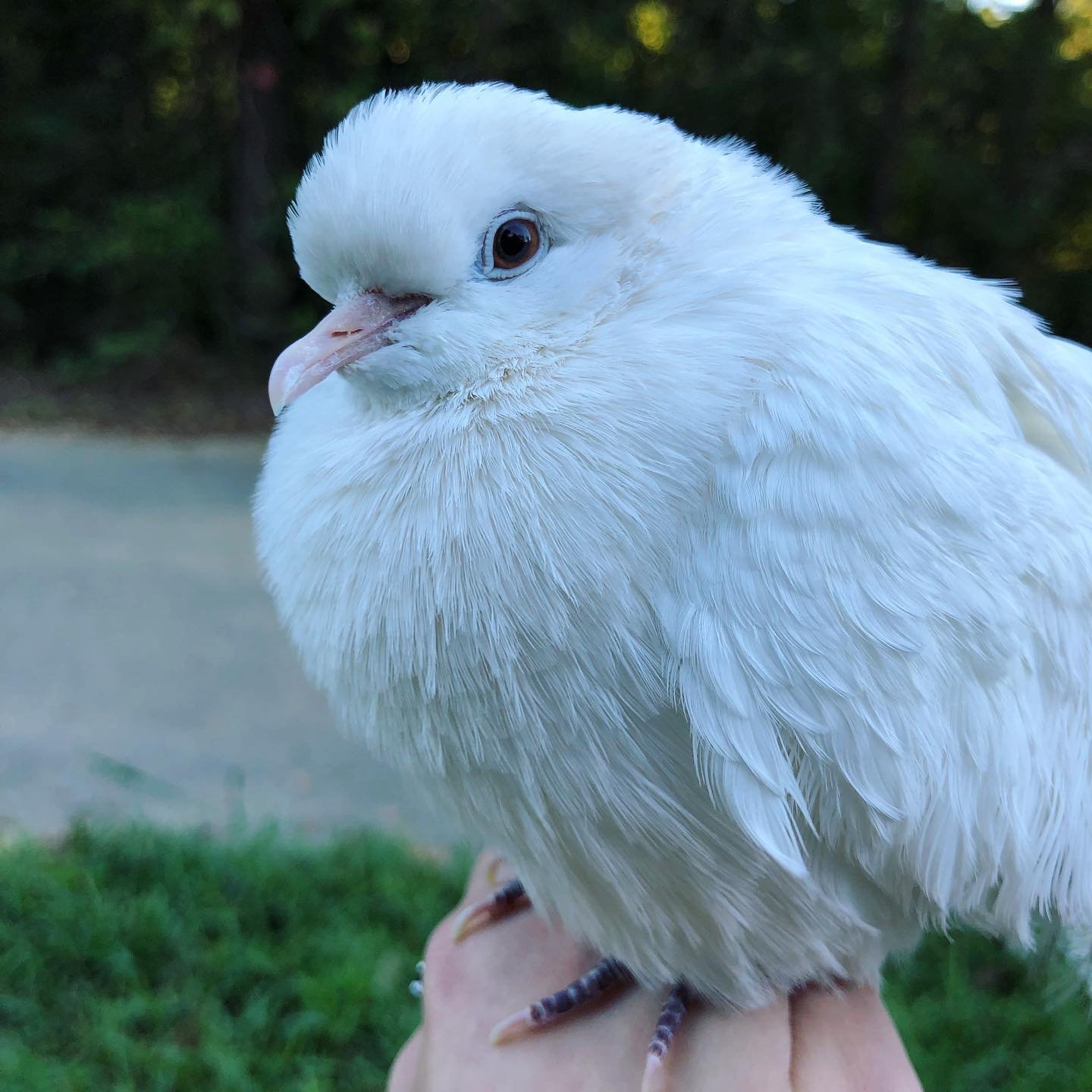
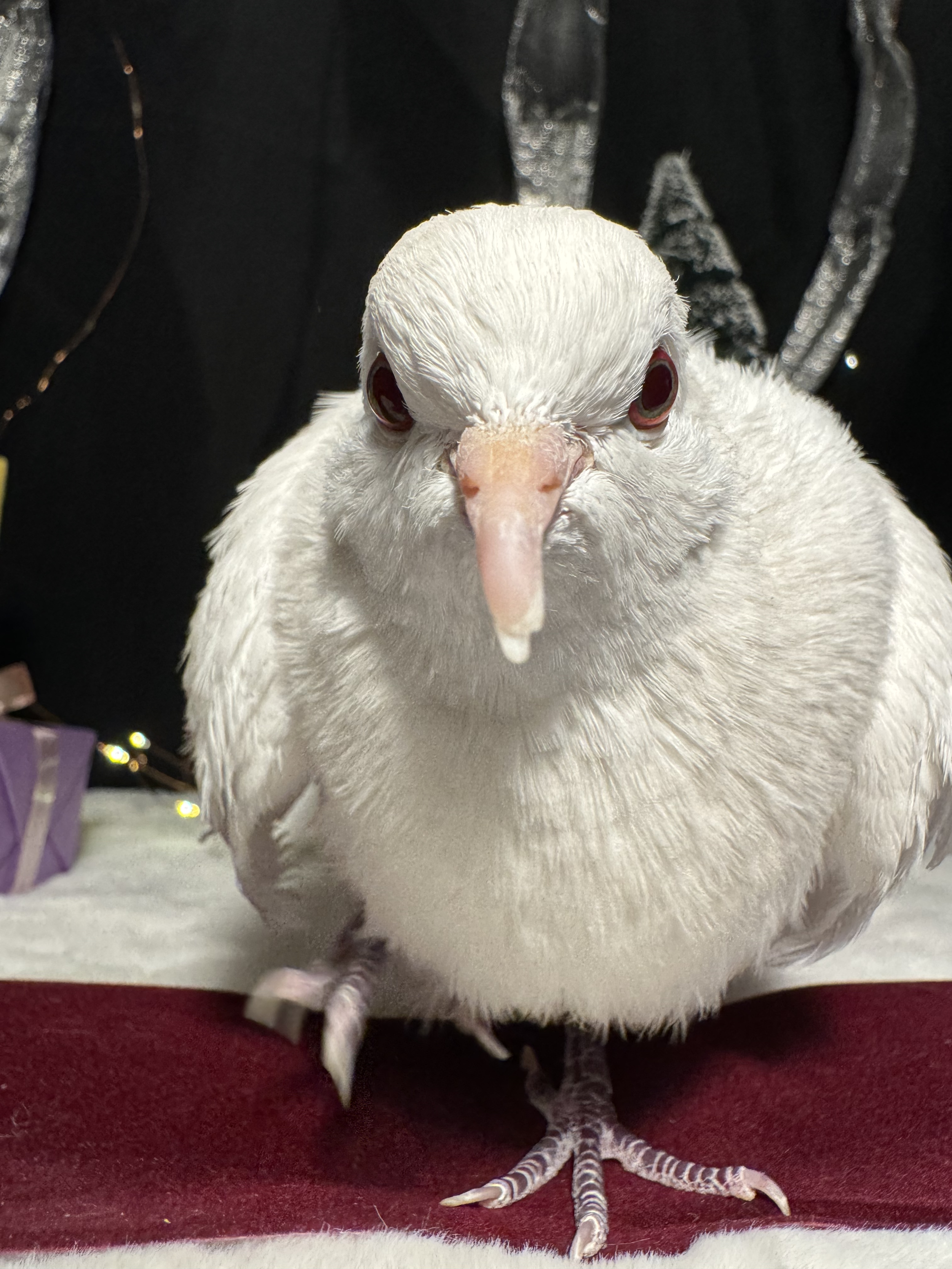
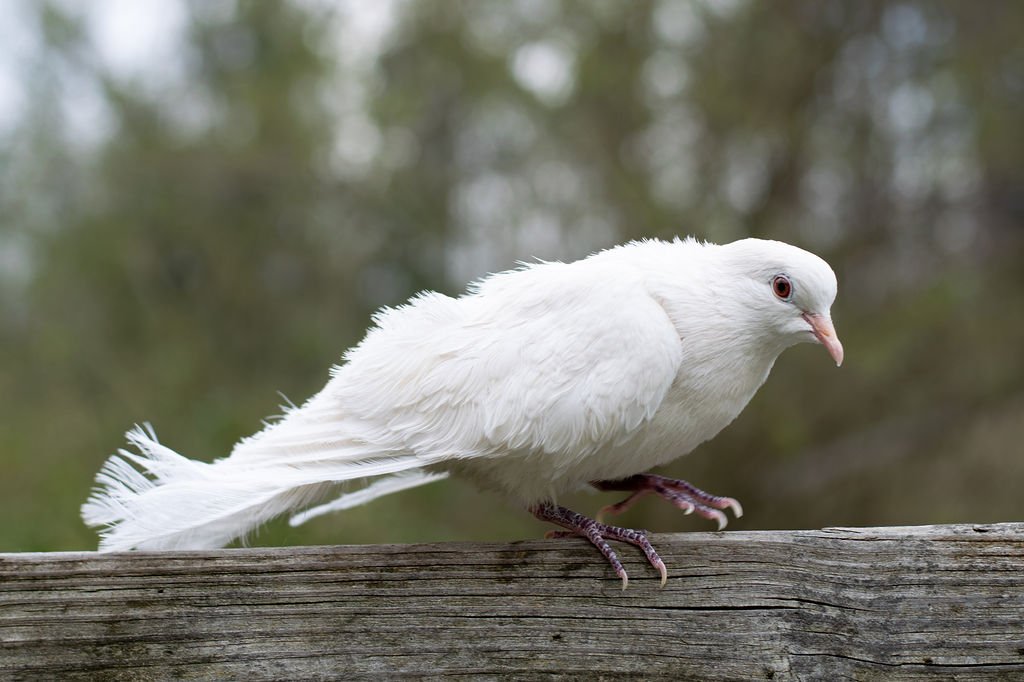
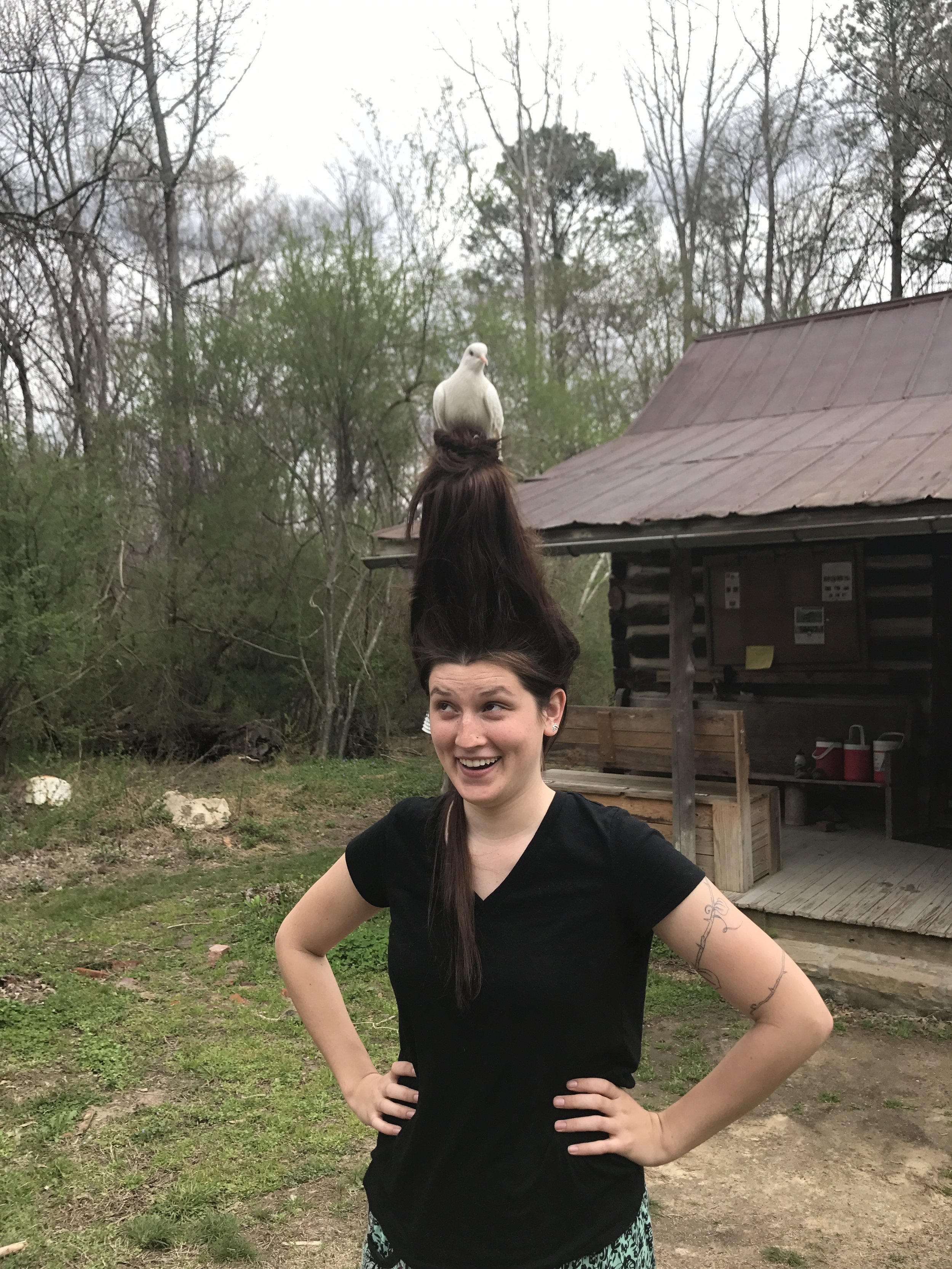
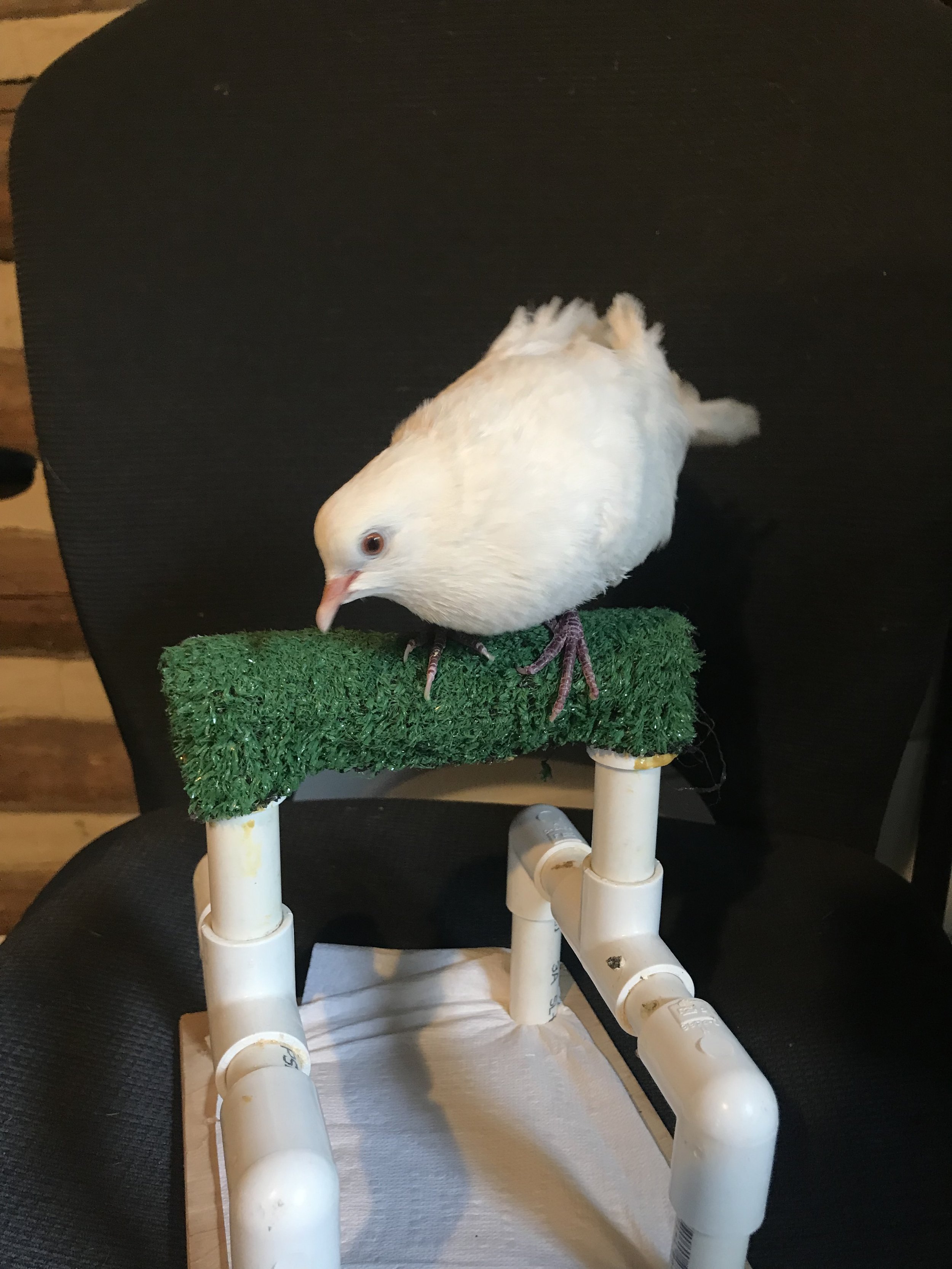
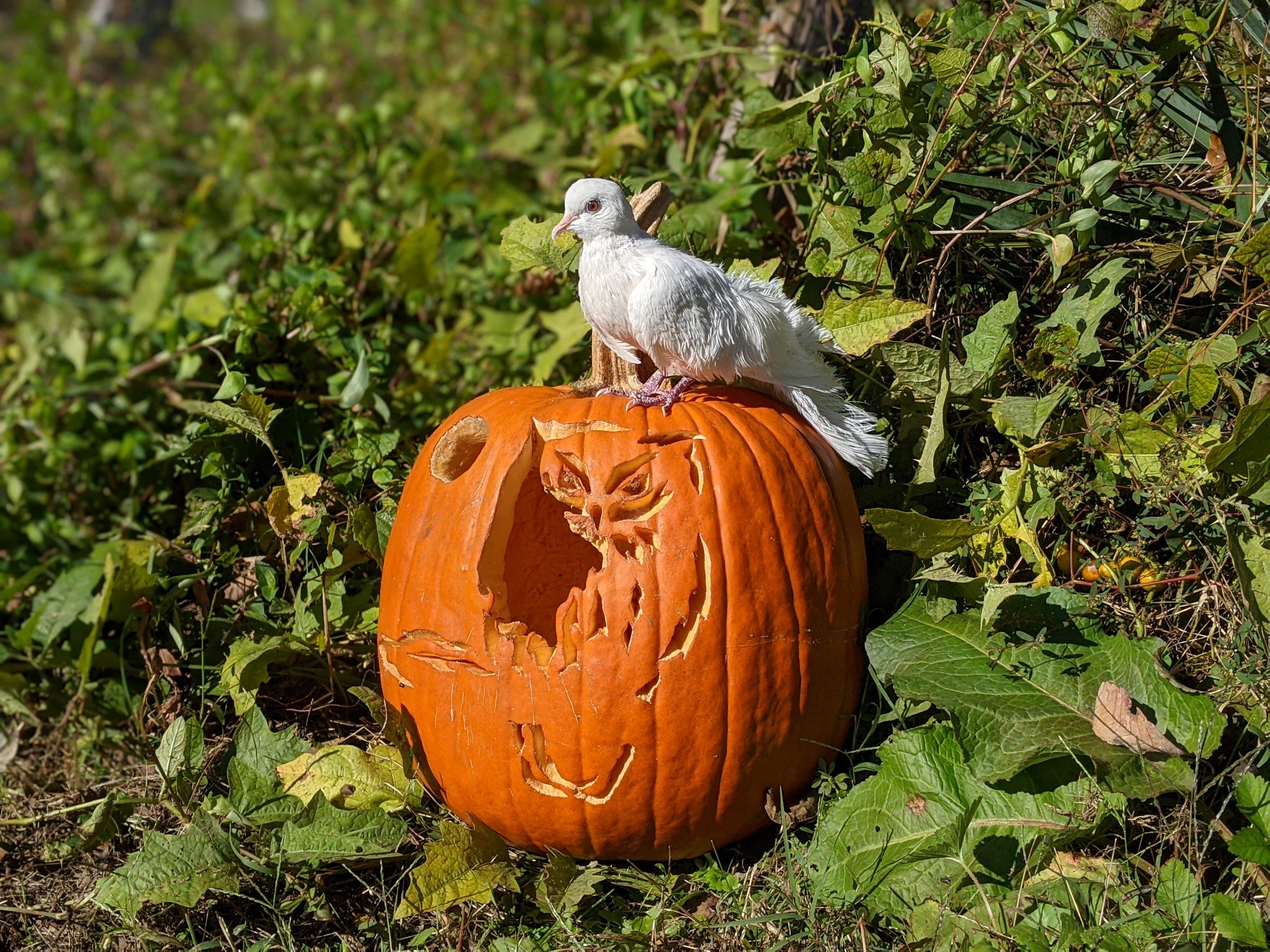
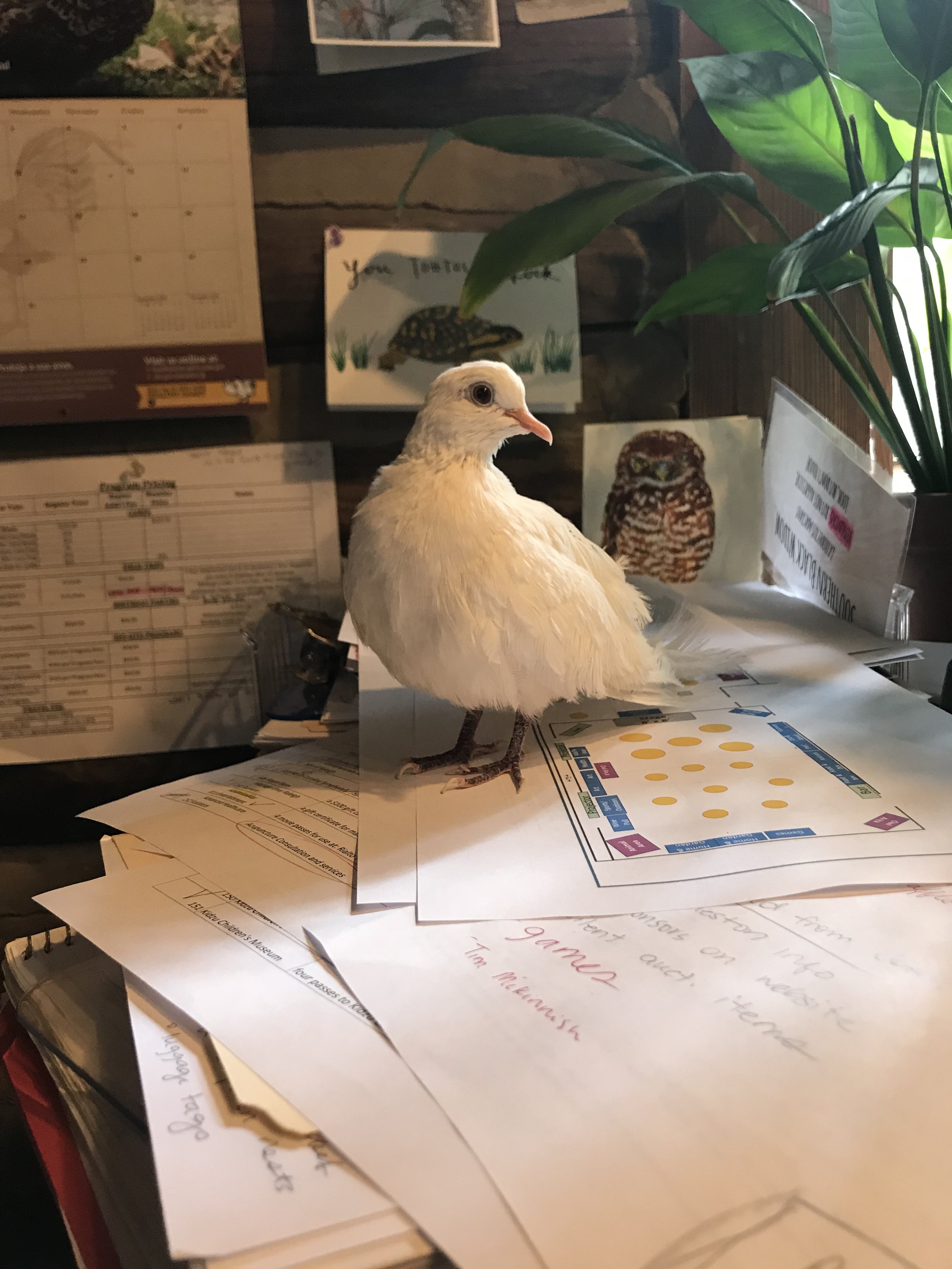
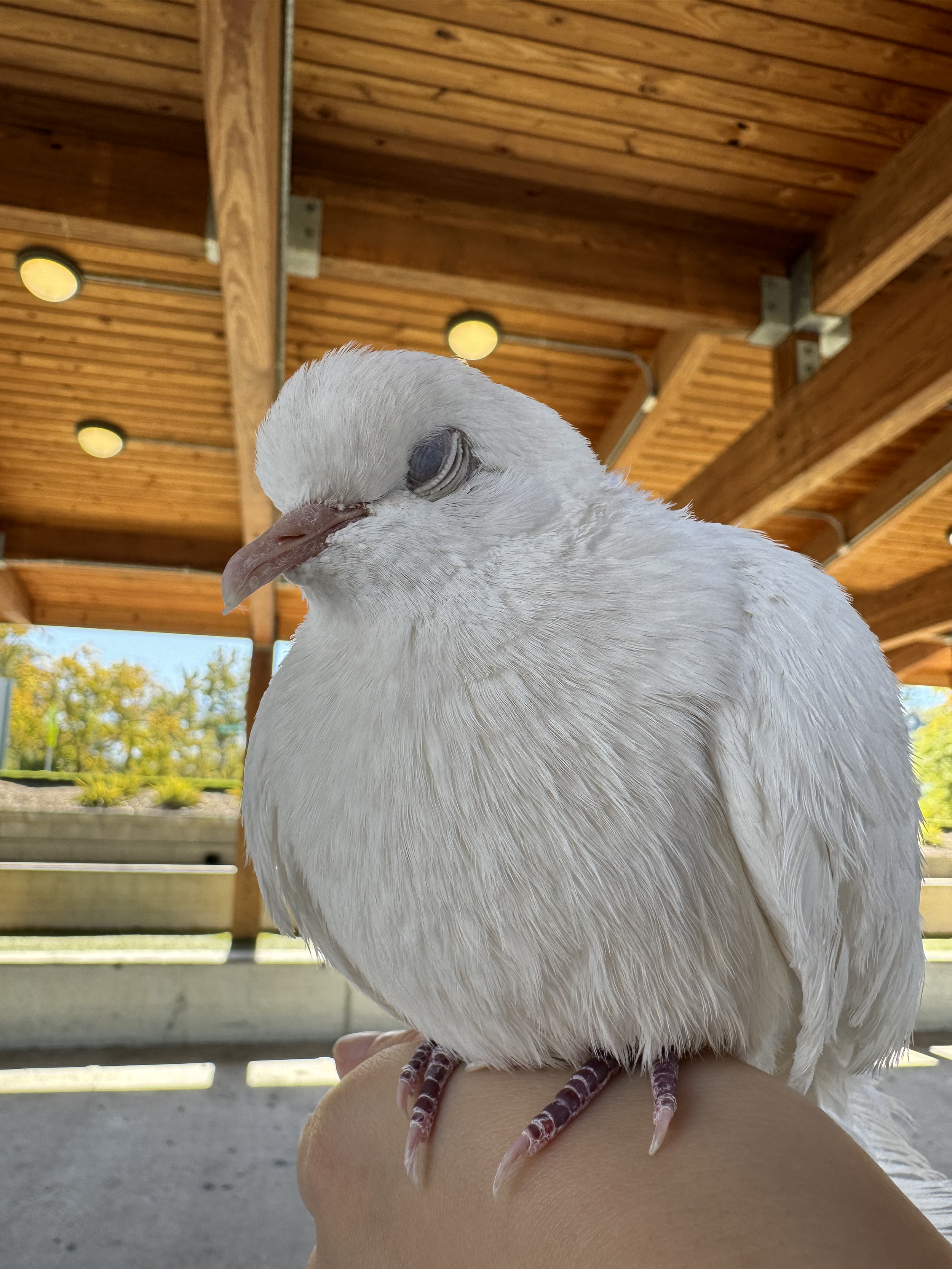
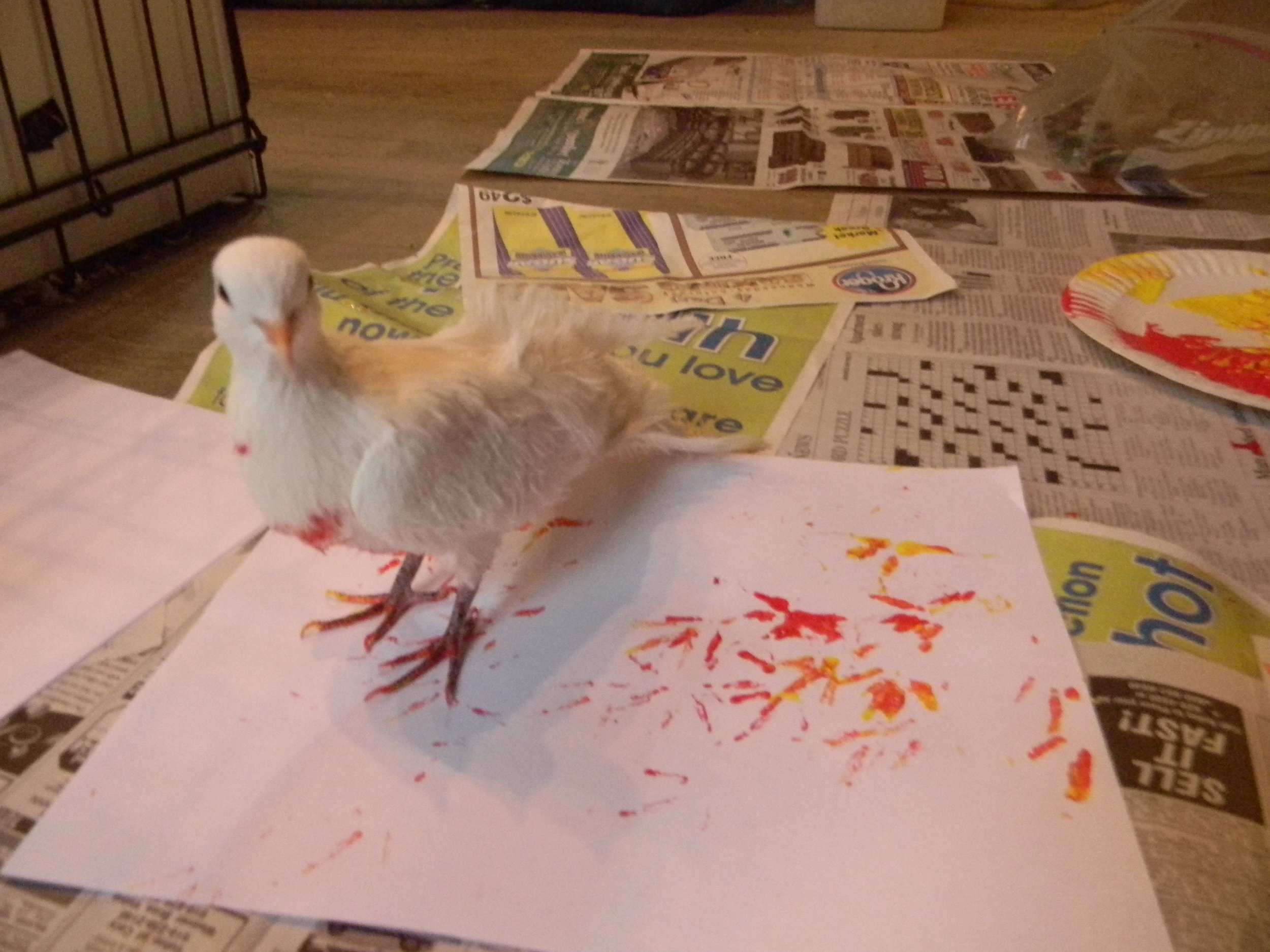
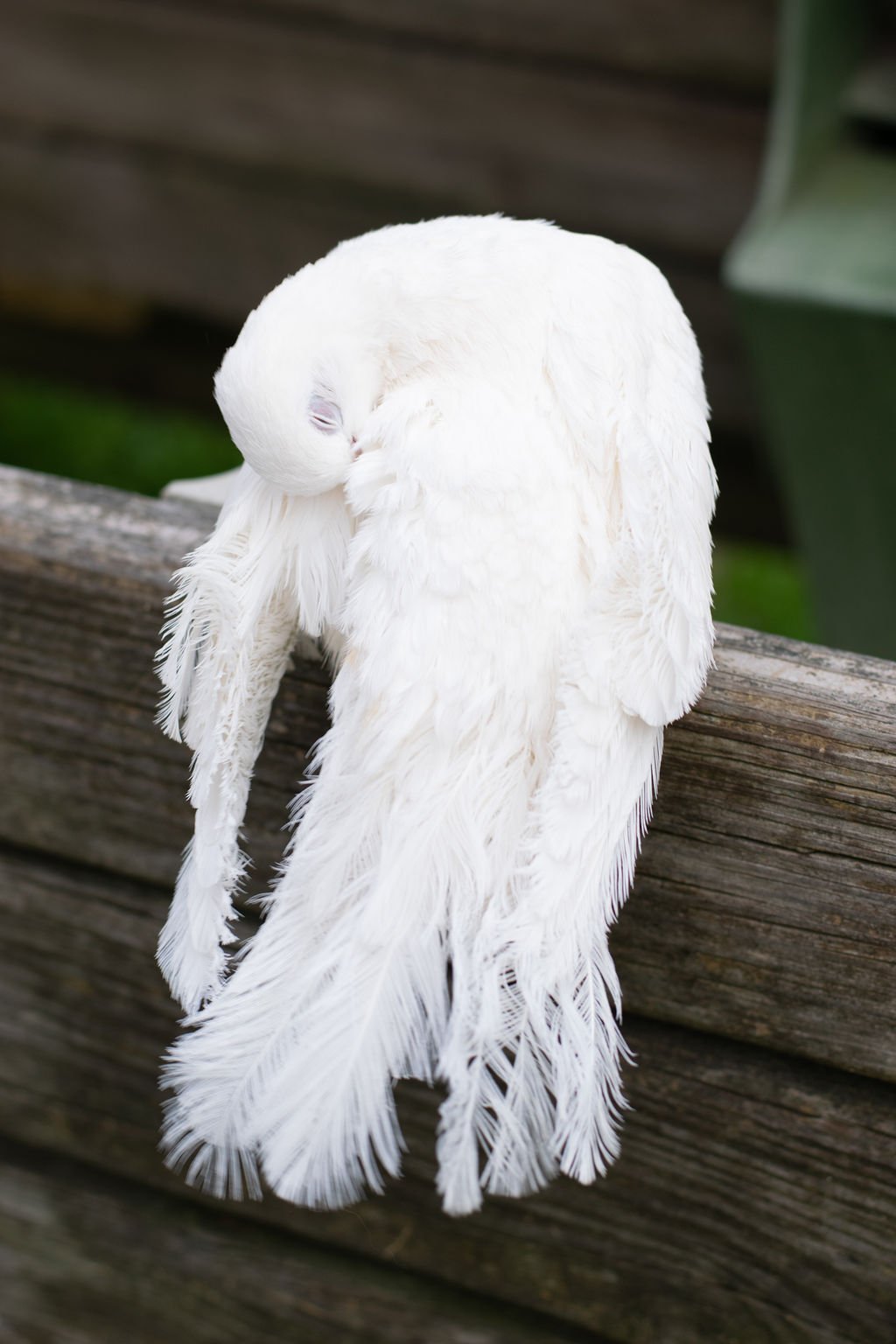
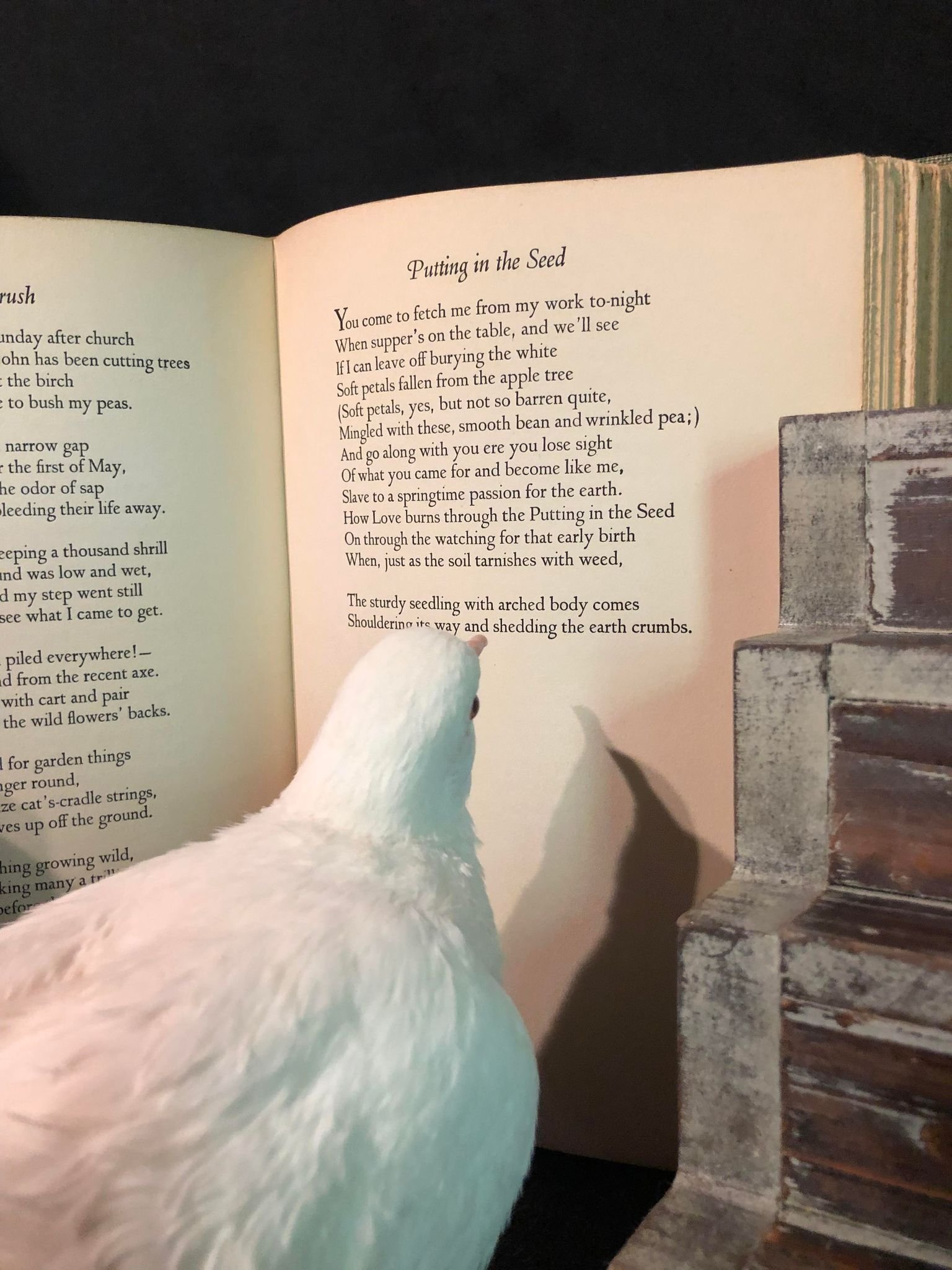
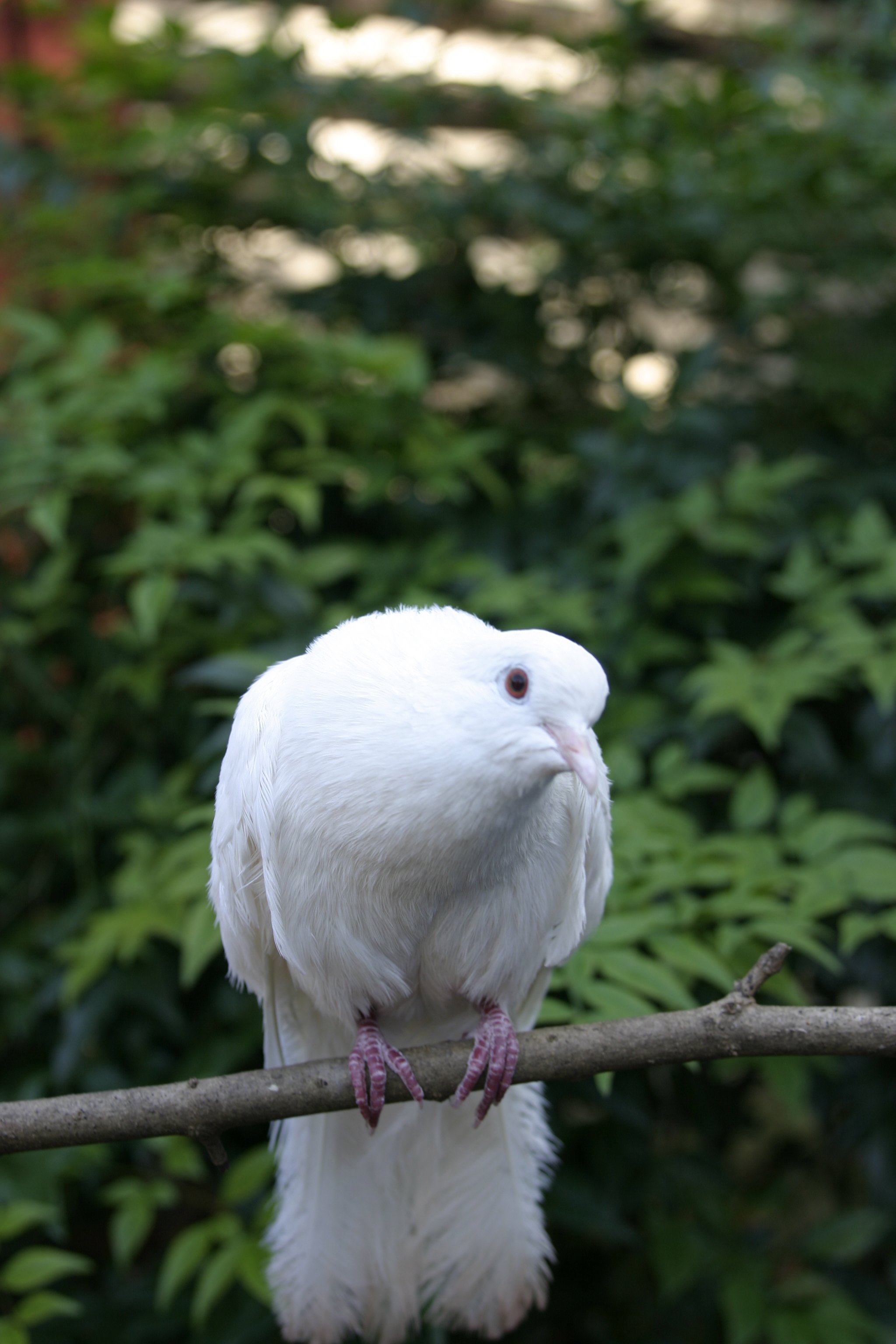
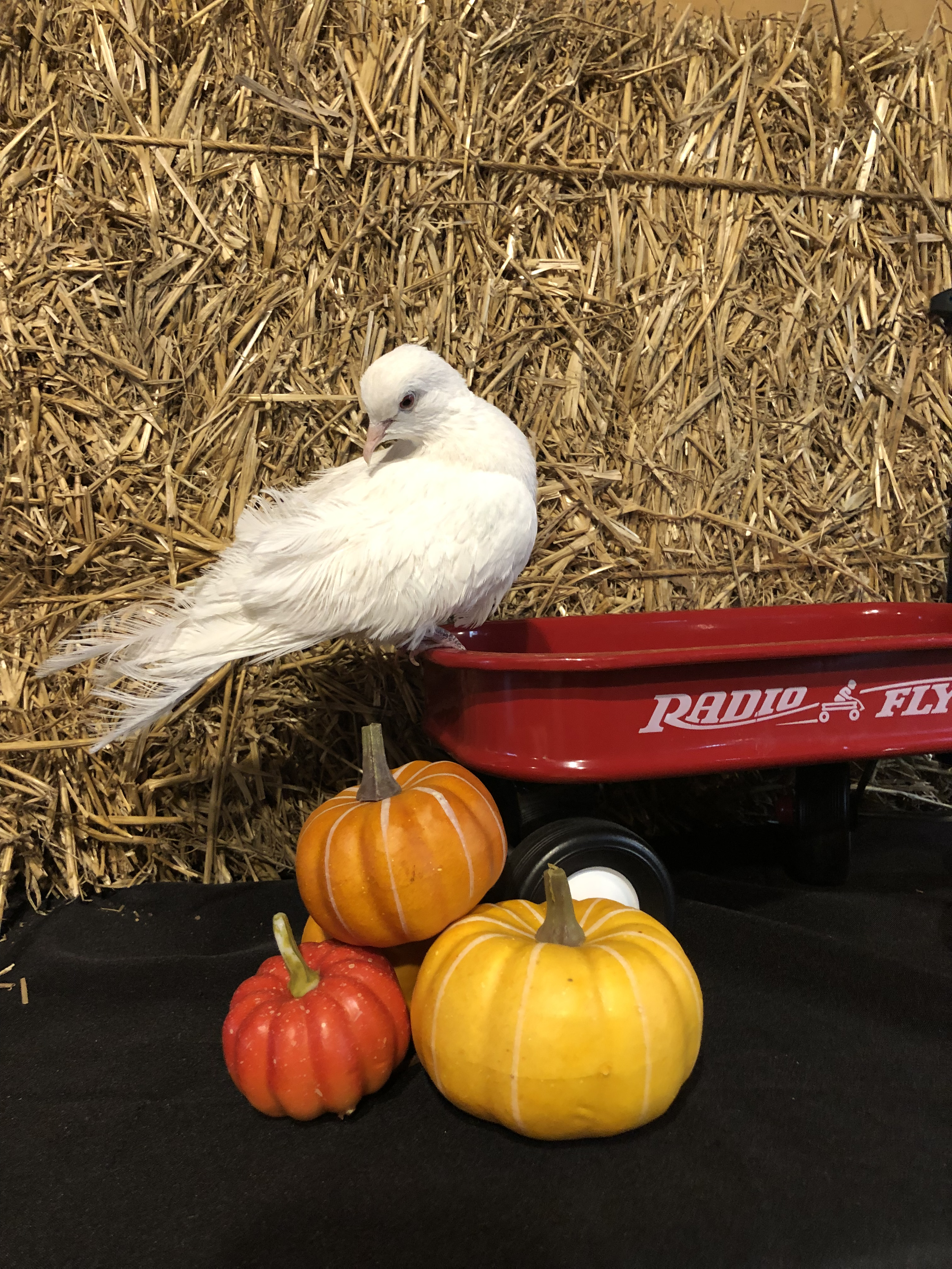
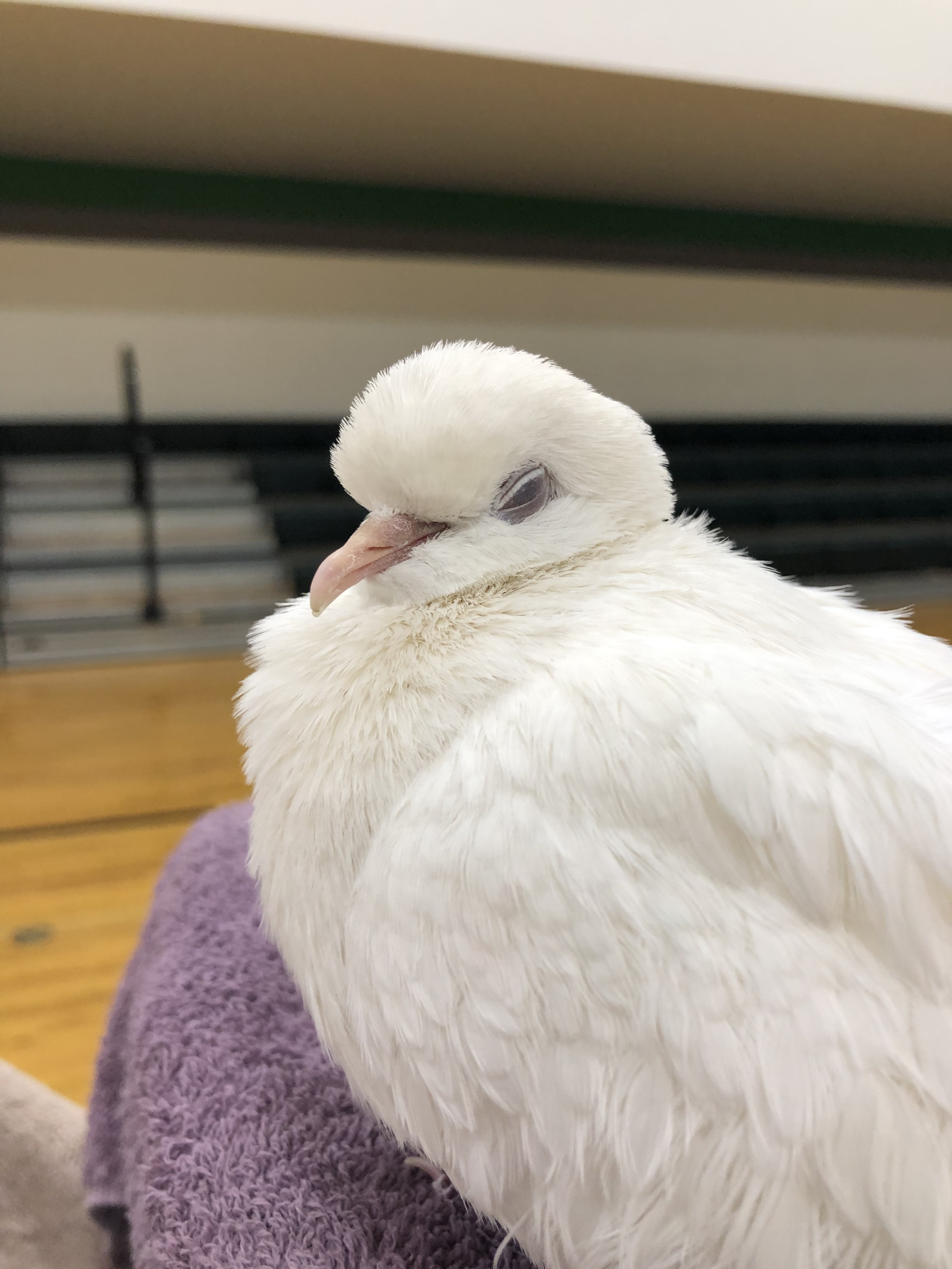
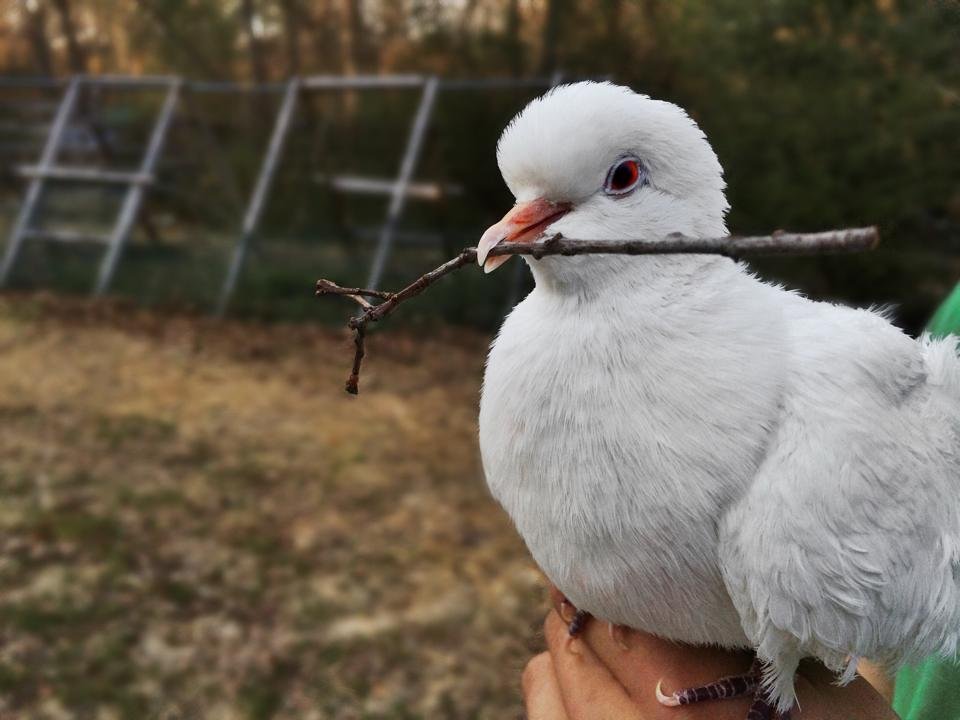
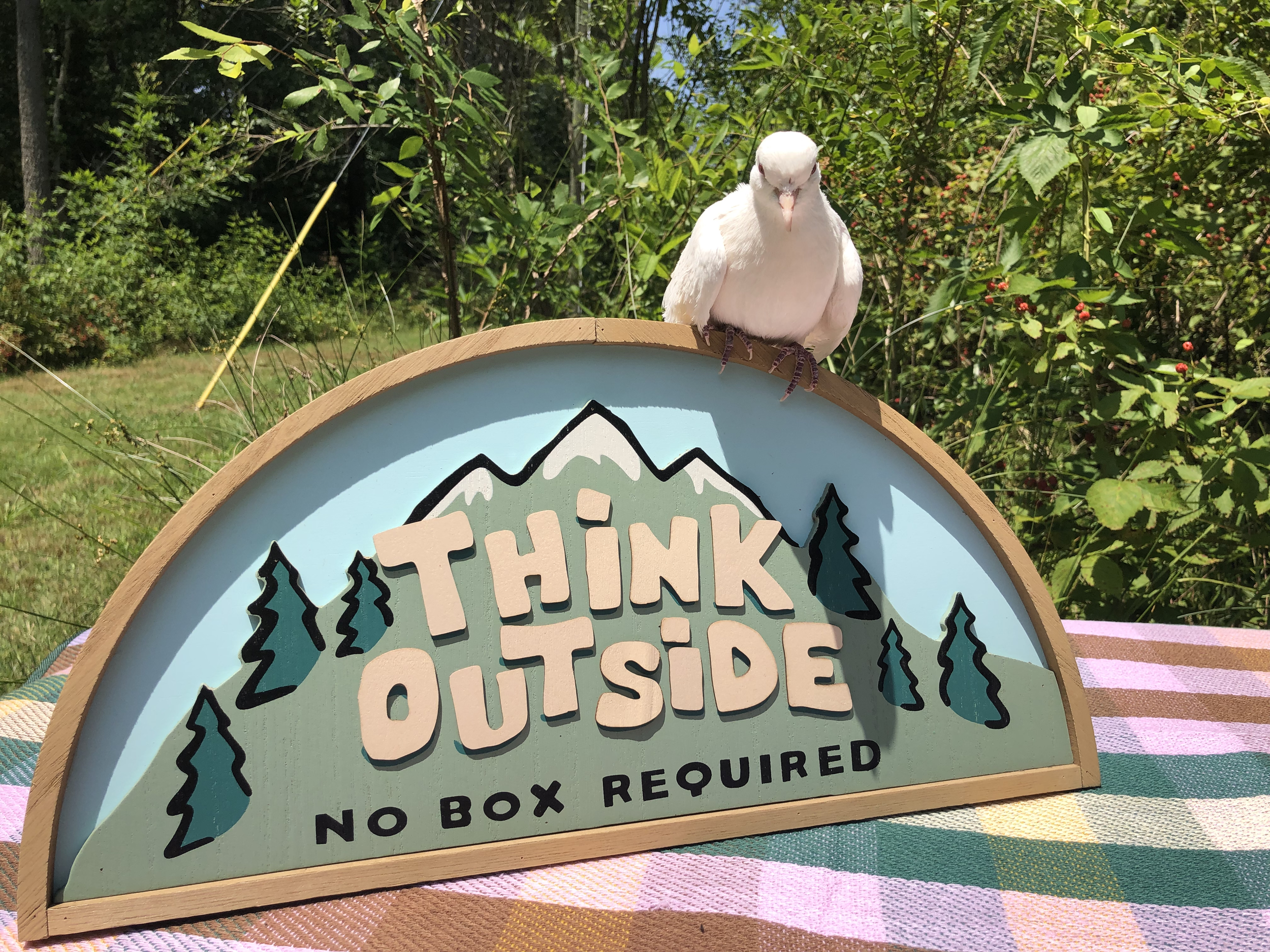
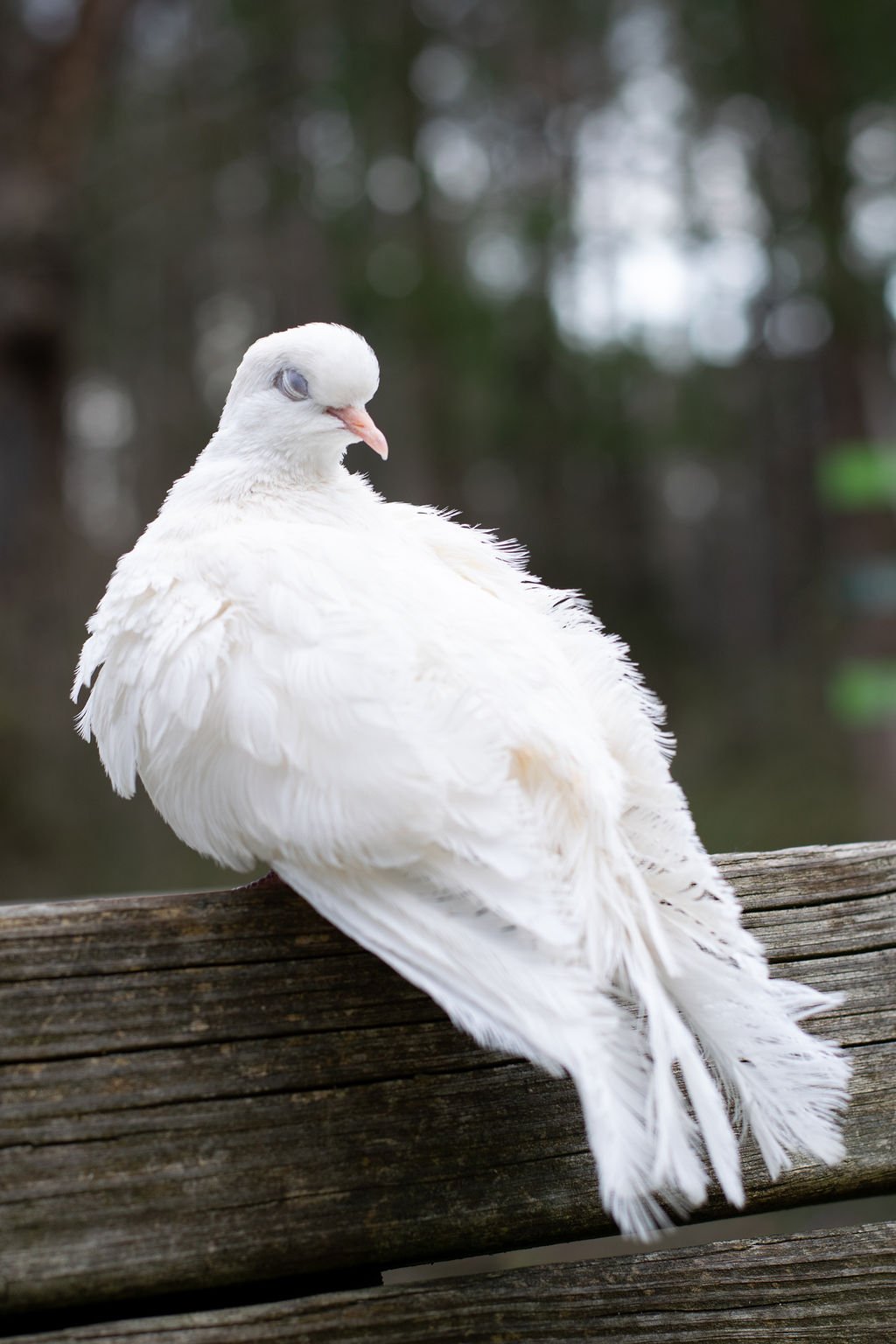
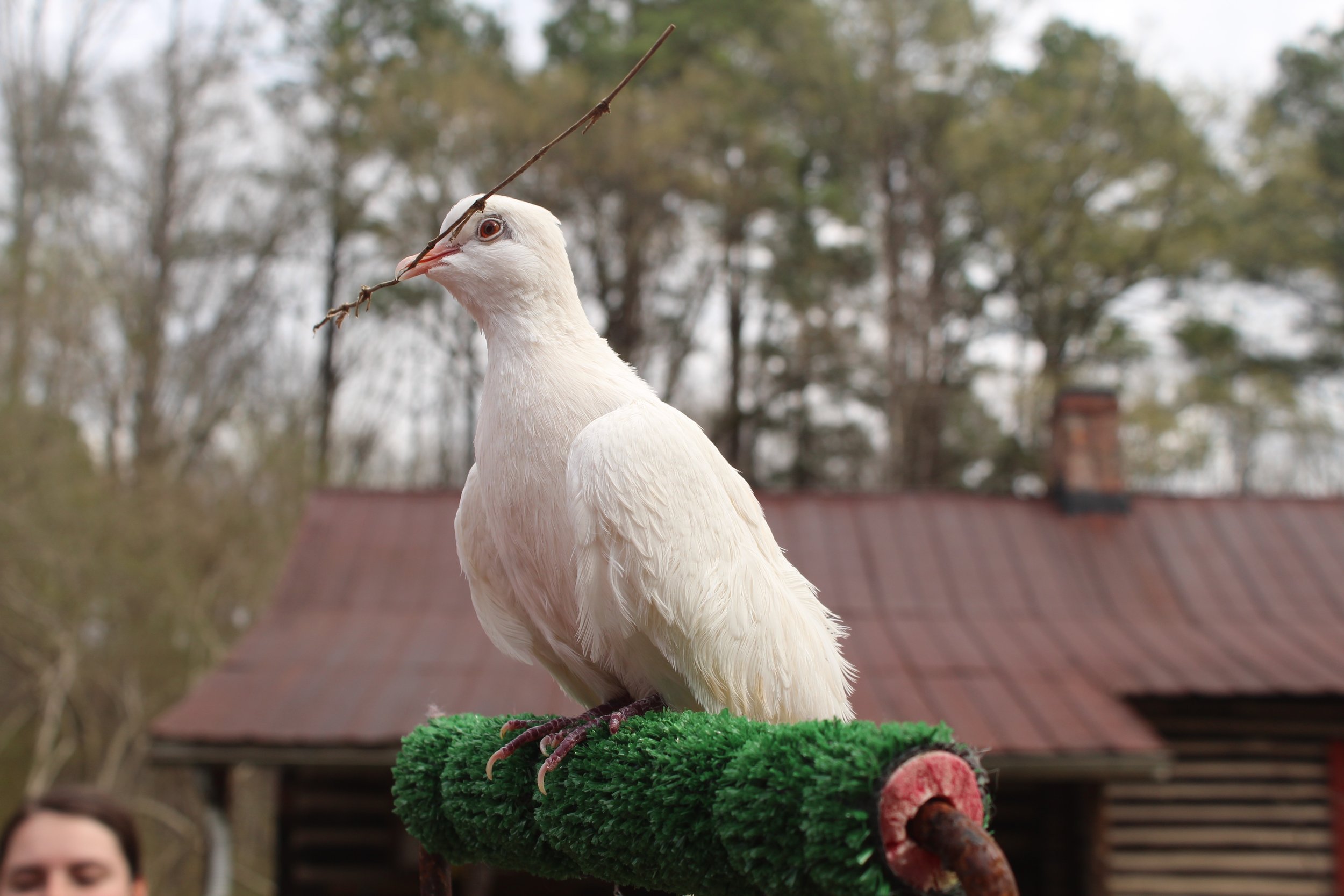
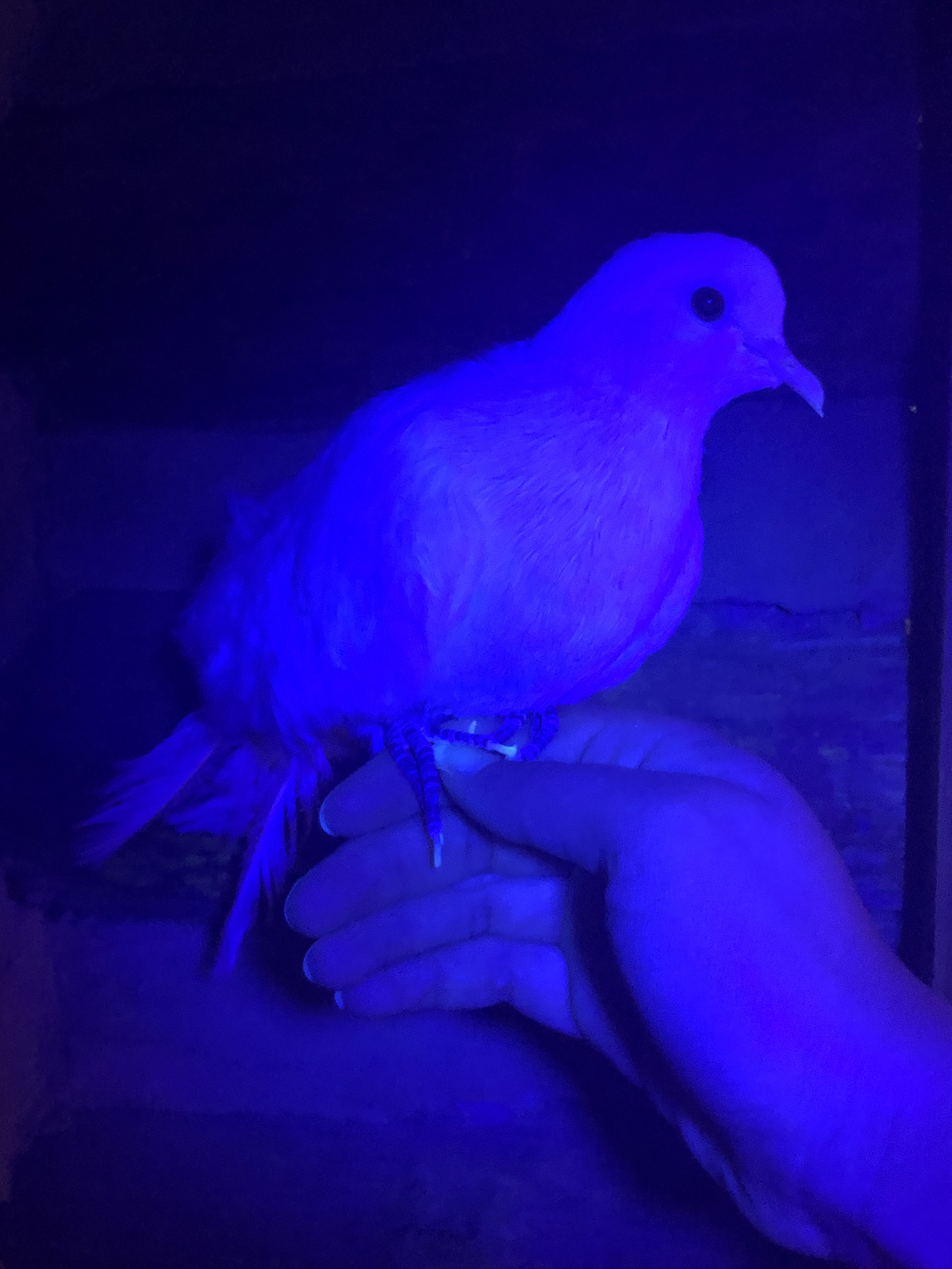
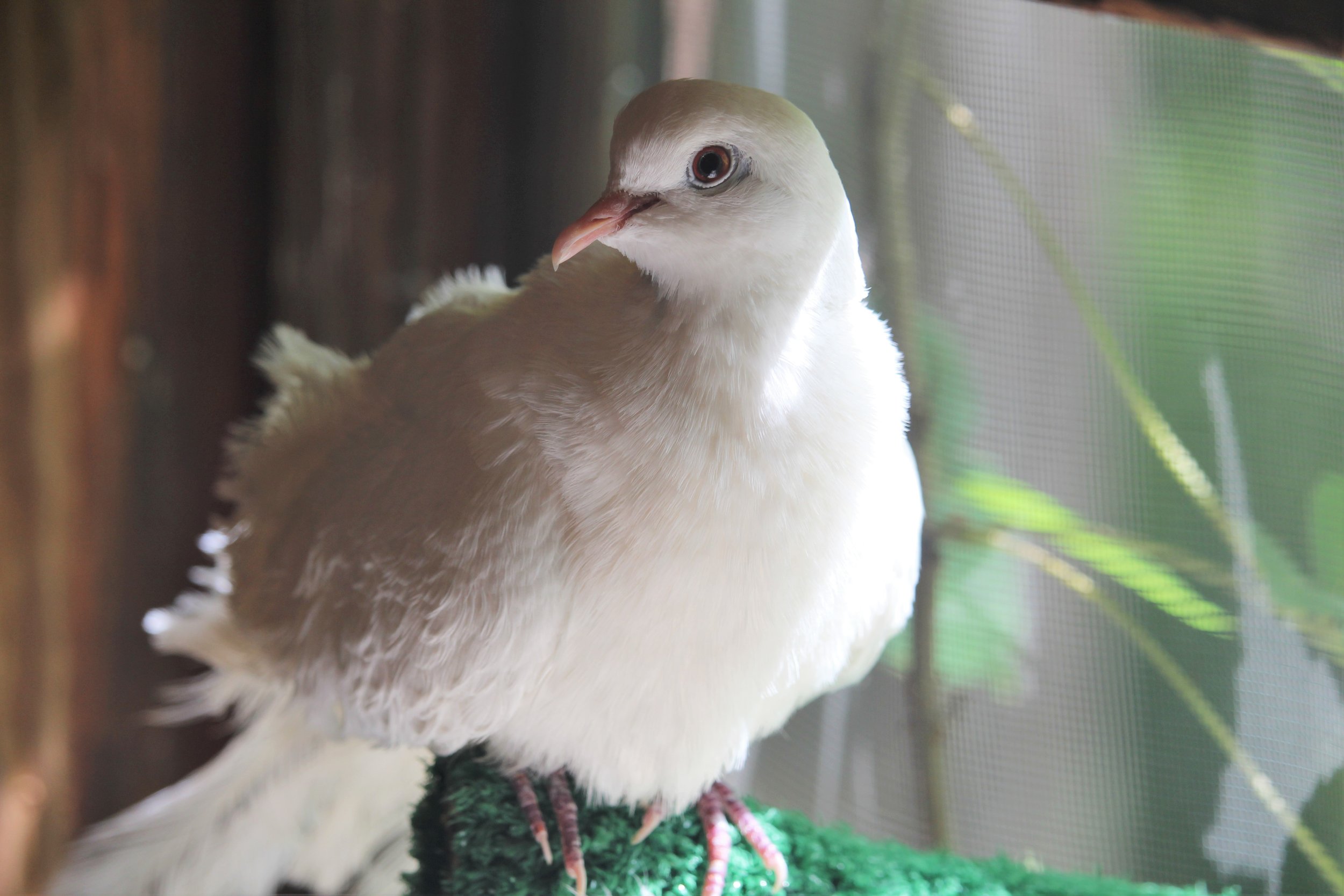
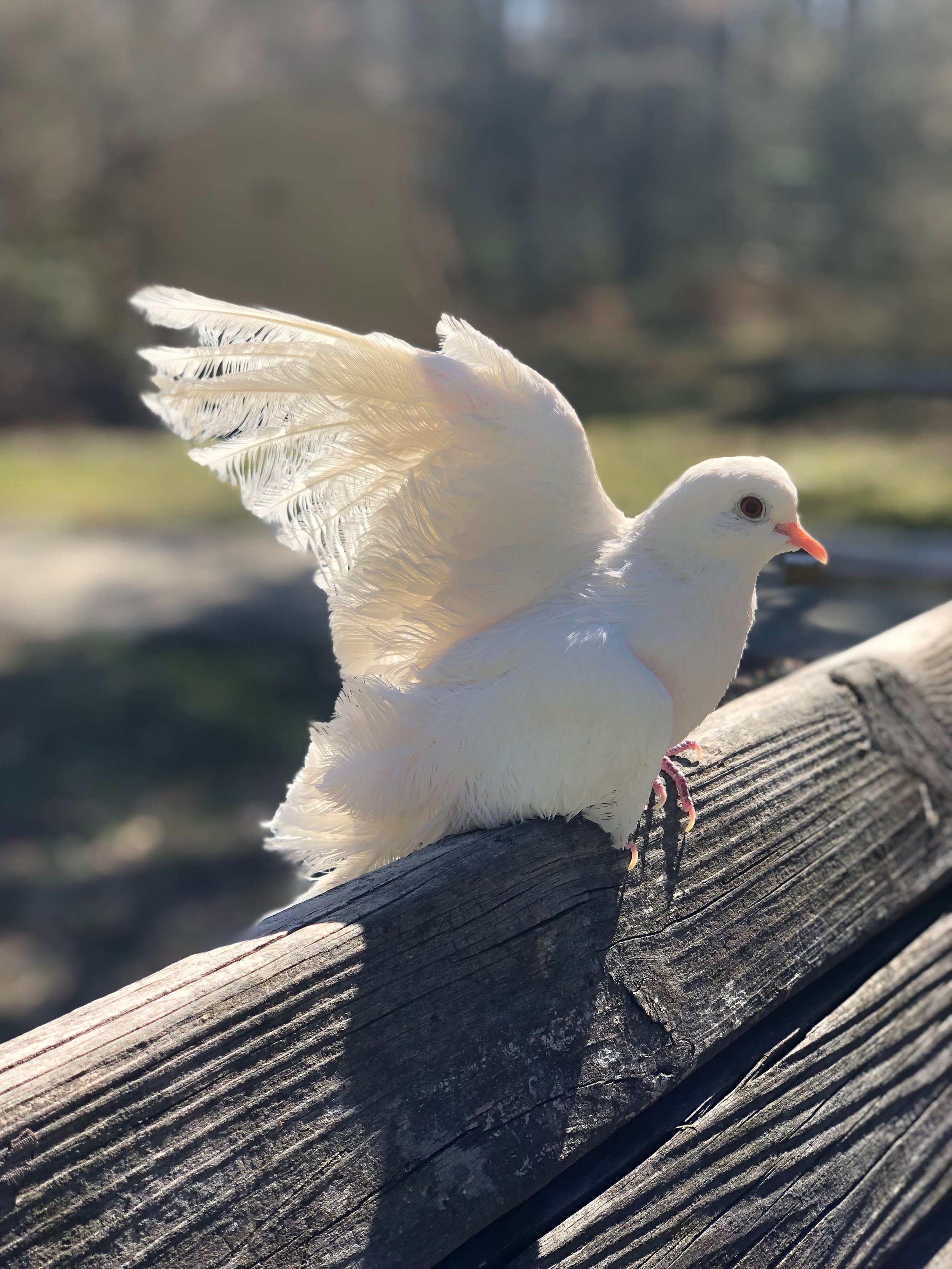
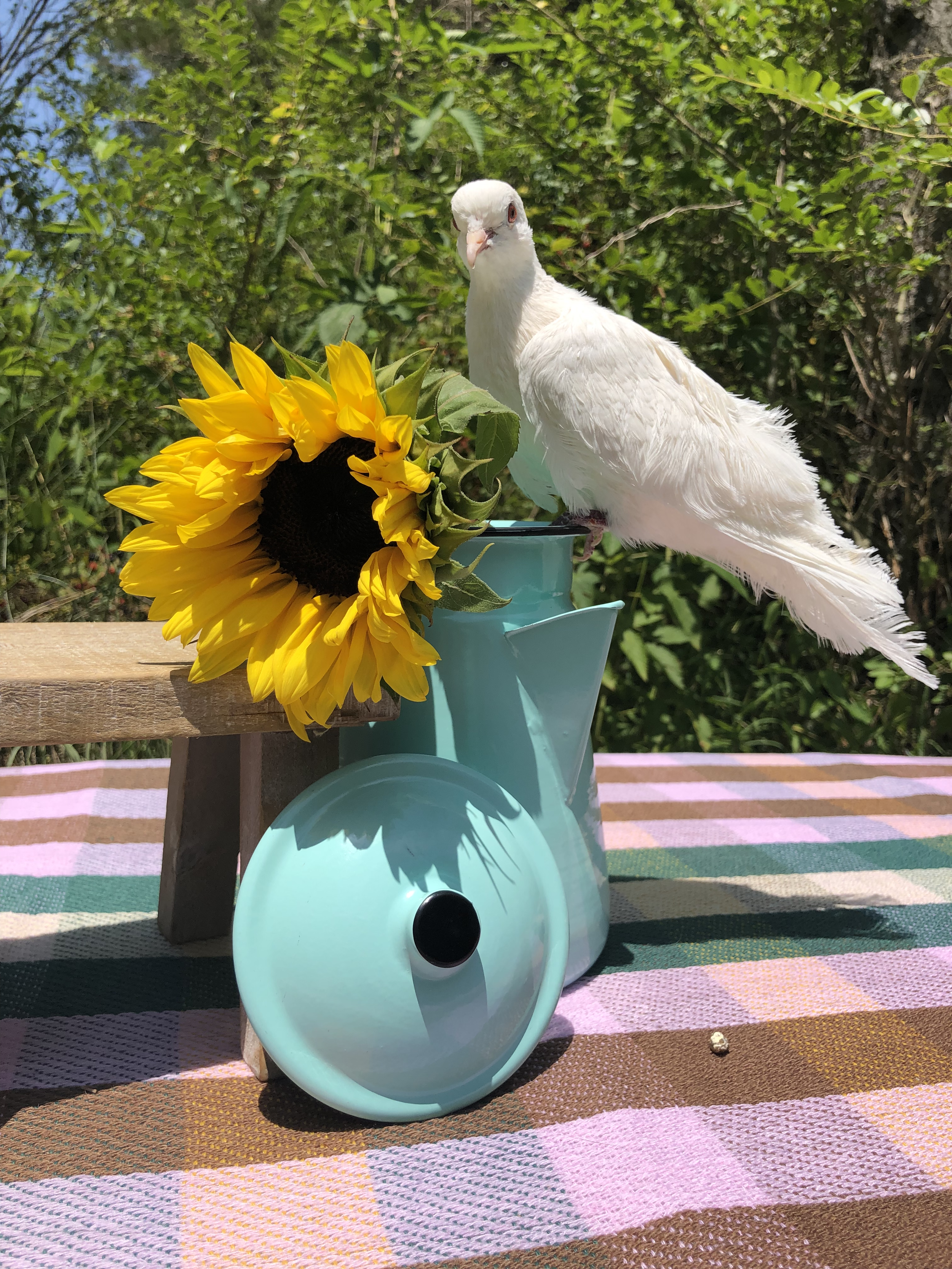
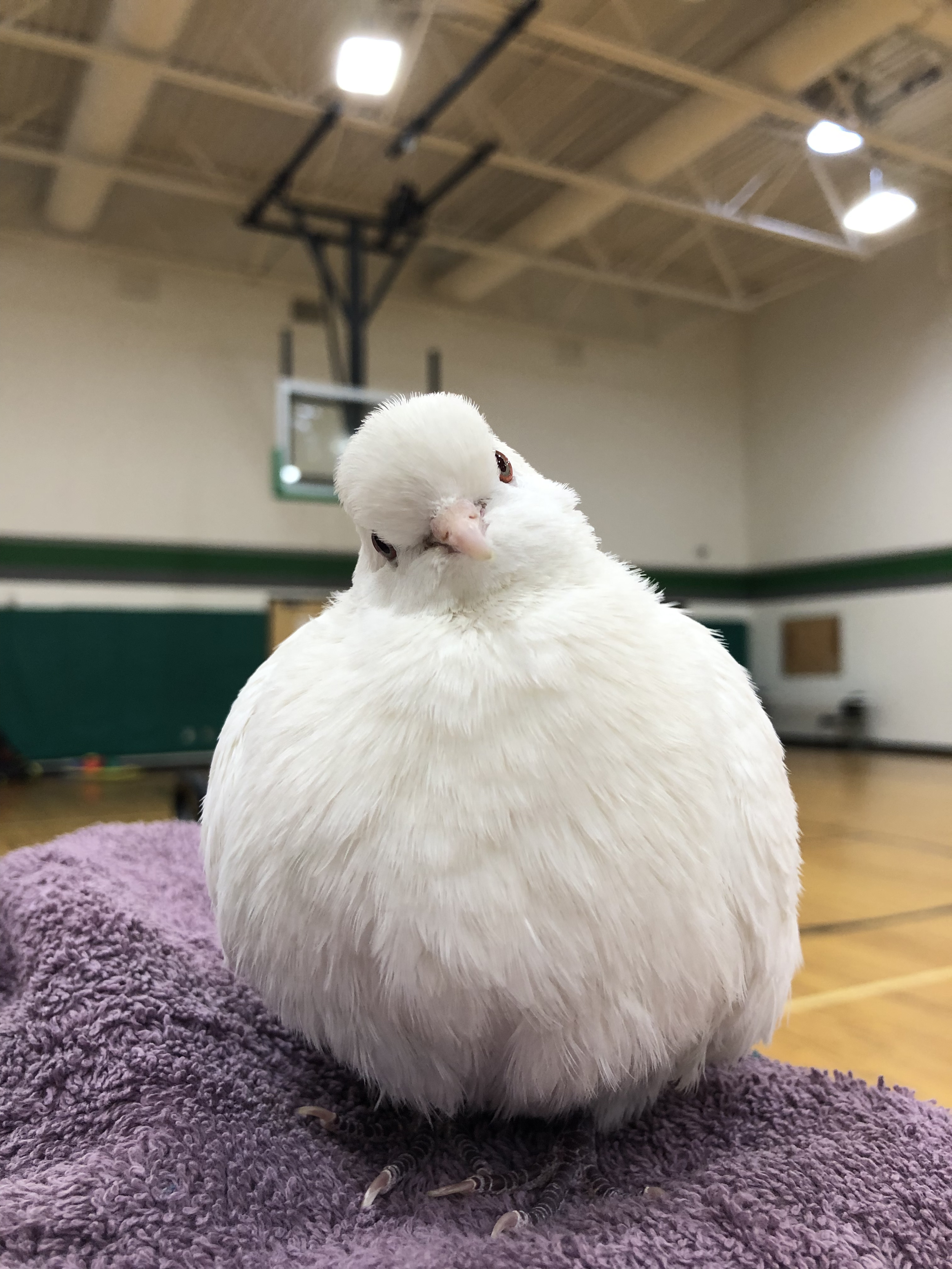
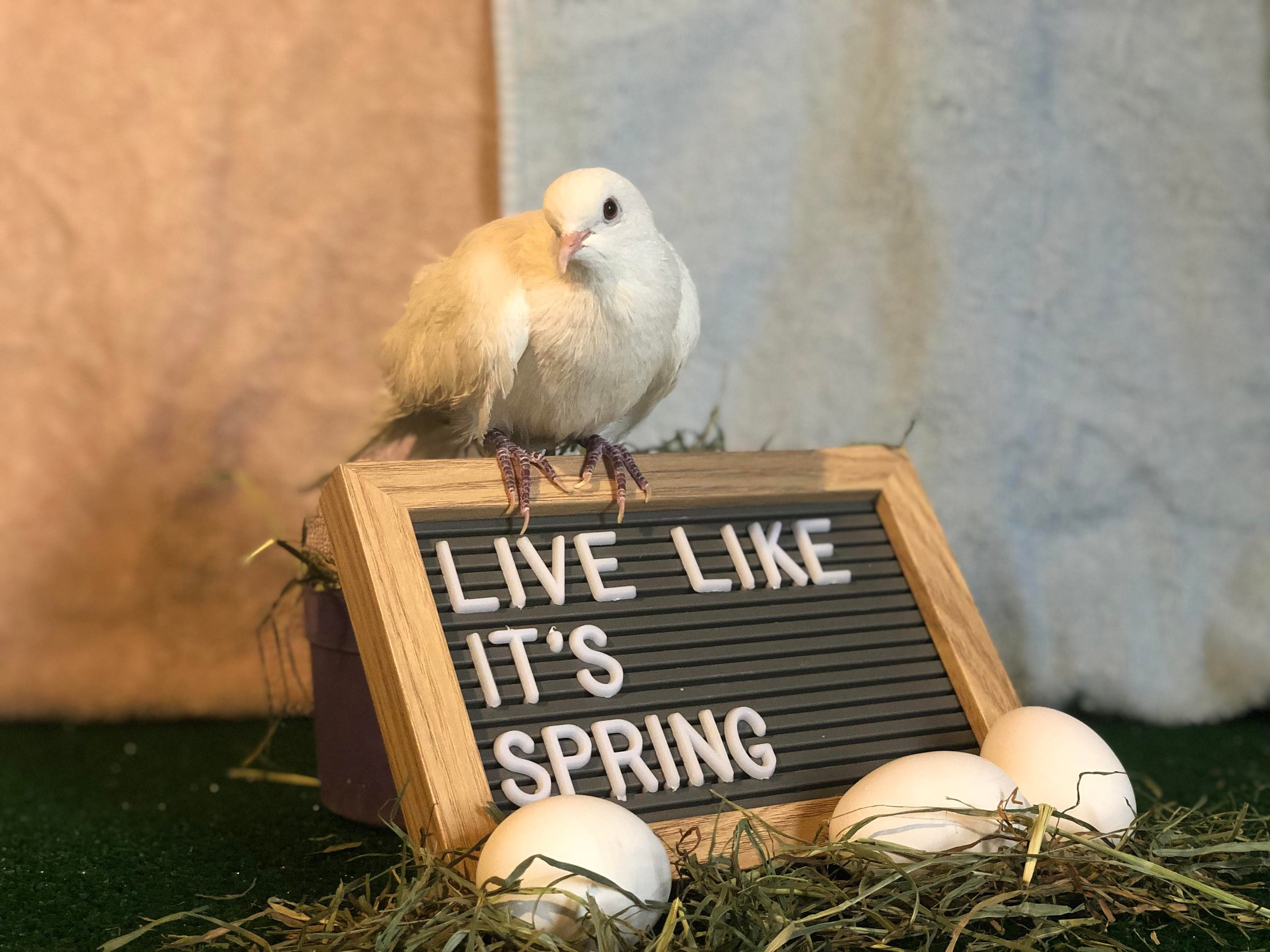
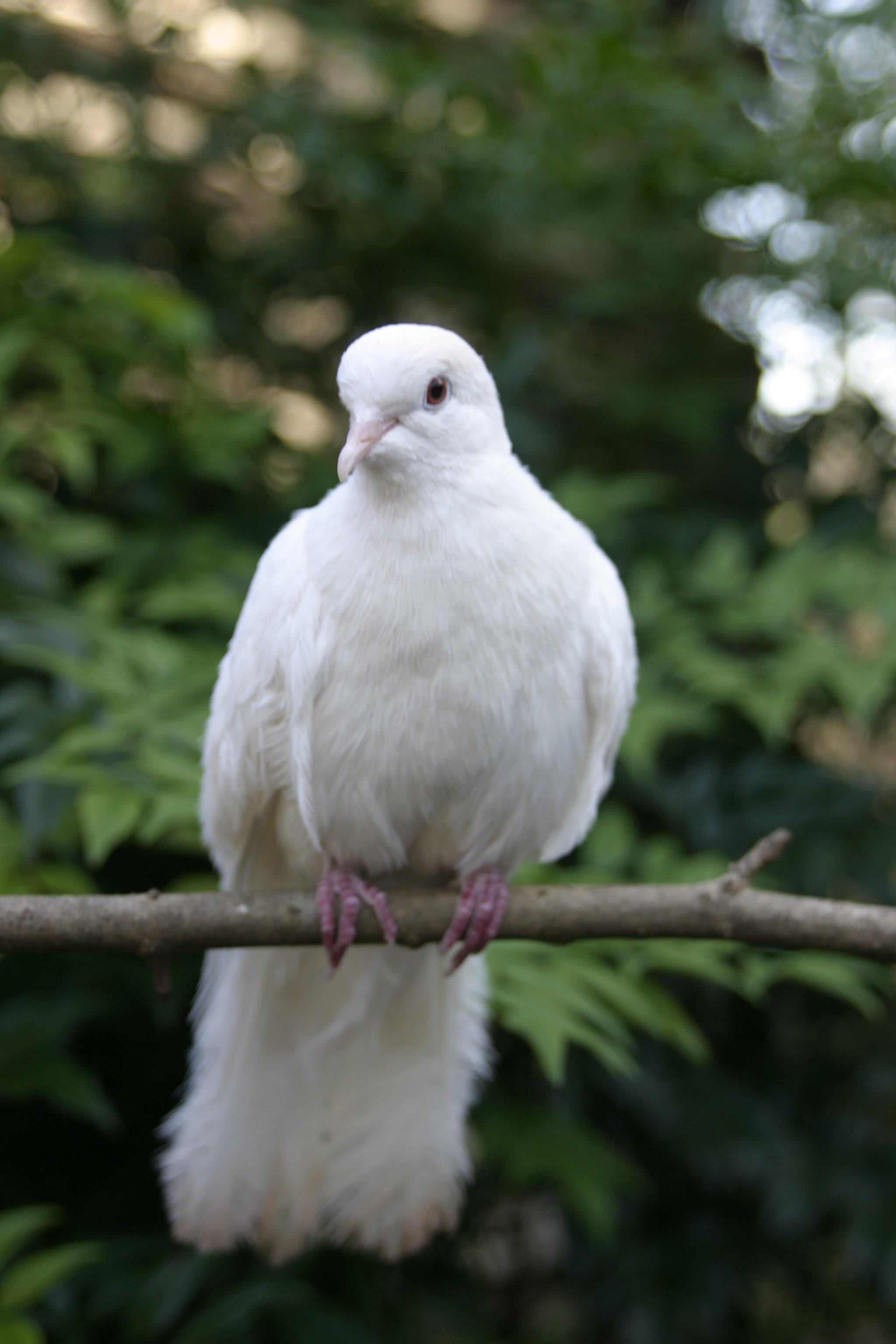
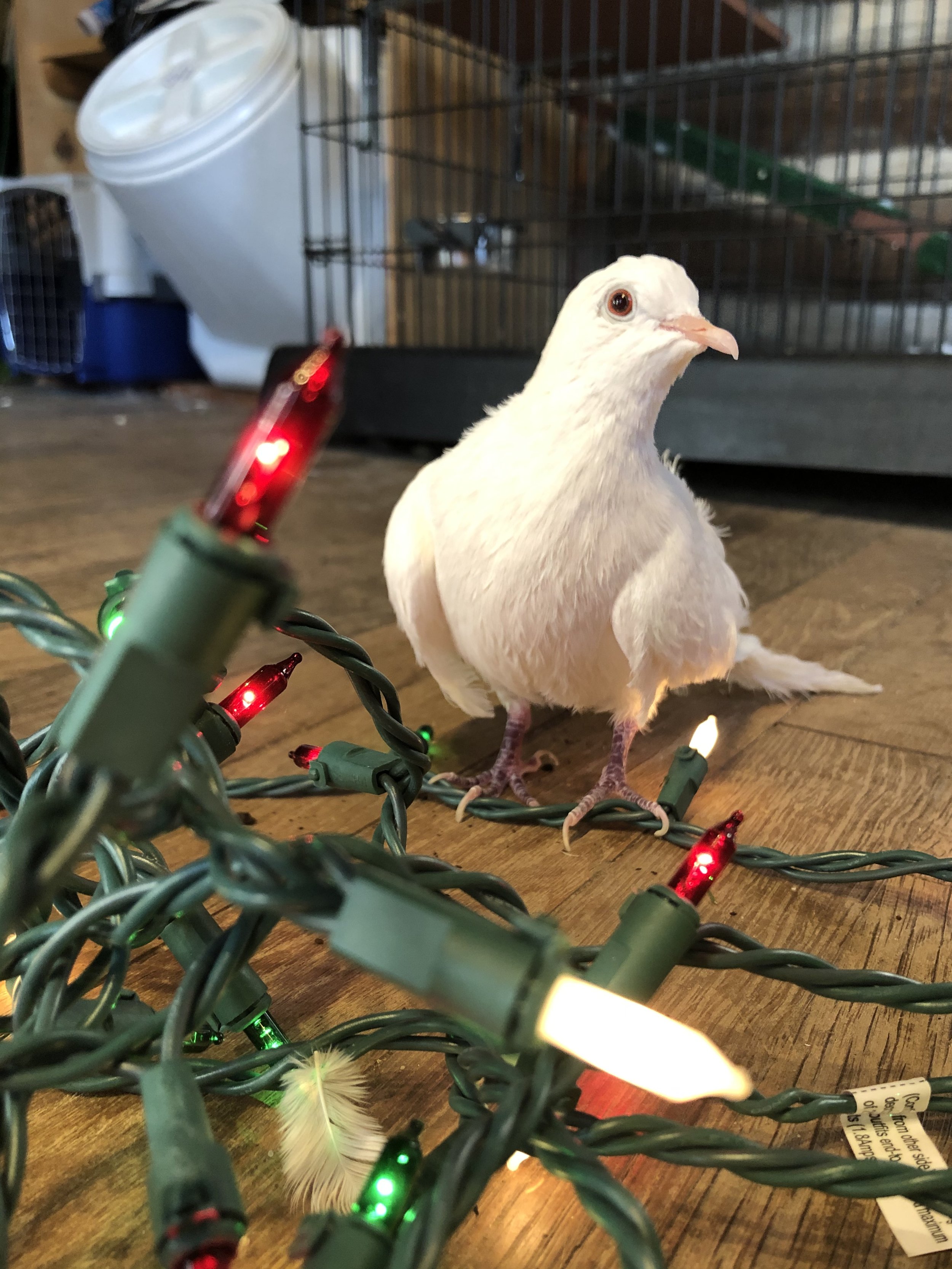
Our Conservation Team has had a rough start to 2024. We are heartbroken to announce that Miracle, our frizzled ringneck dove, passed away last week on January 2nd. He was 16 years old.

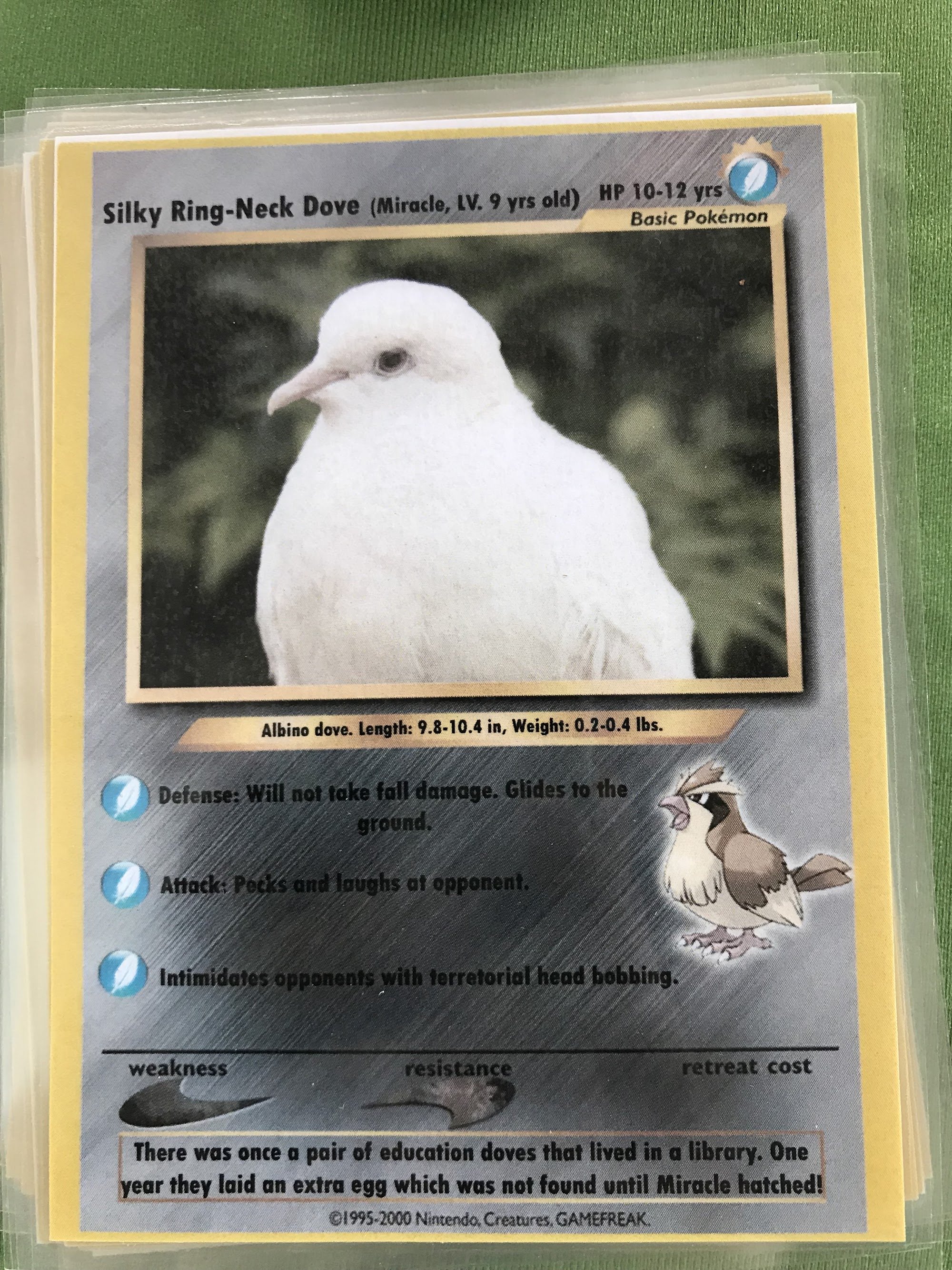
Miracle was born in 2007 to a pair of doves kept at a library as education animals. His parents always laid two eggs each year, and their caretakers would remove the eggs before they hatched. One year, unknown to the library staff, the pair laid an additional egg – which hatched into Miracle! The library donated Miracle to “Birdman” Dave, and Piedmont Wildlife Center adopted Miracle from Dave in 2009.

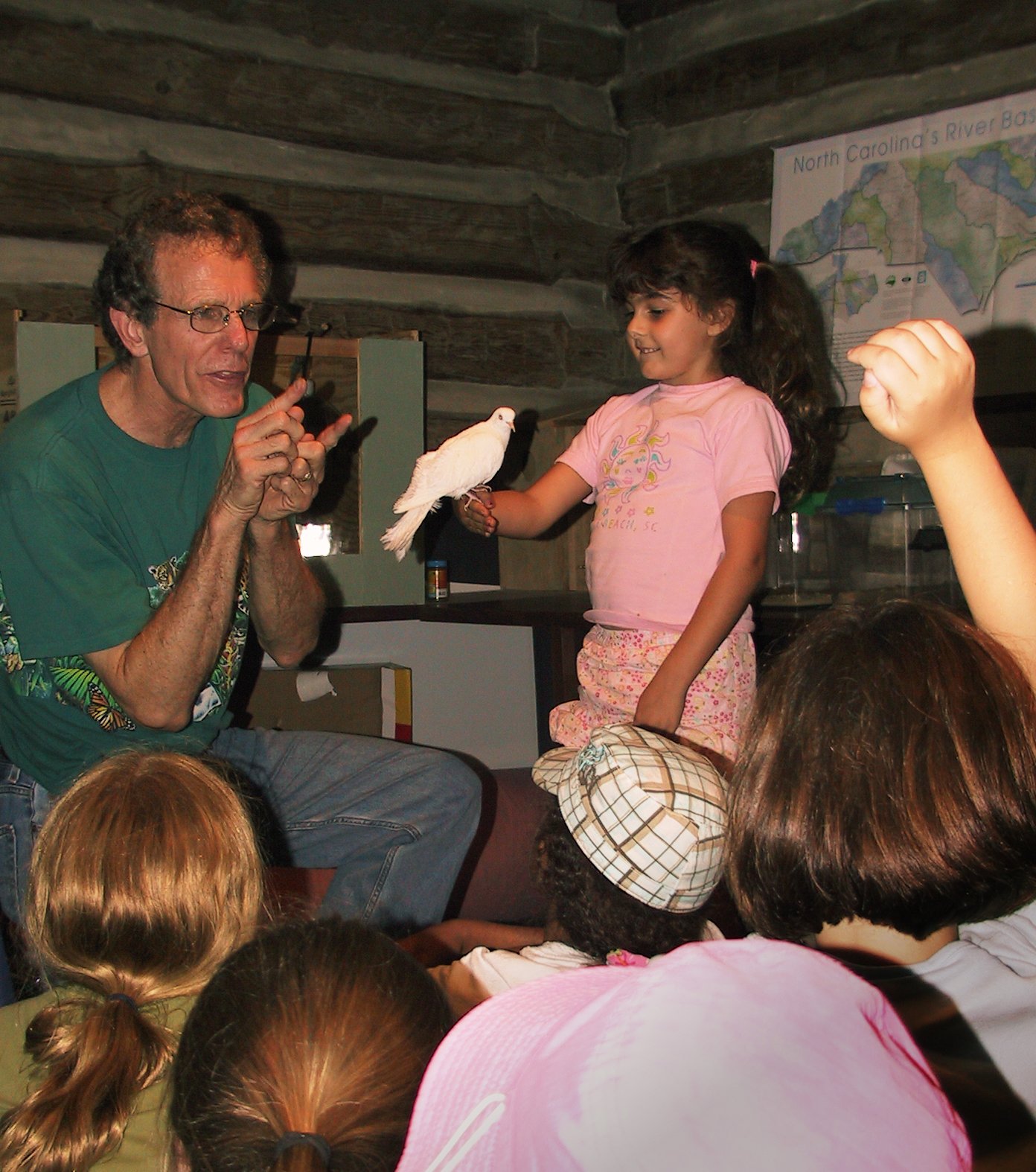
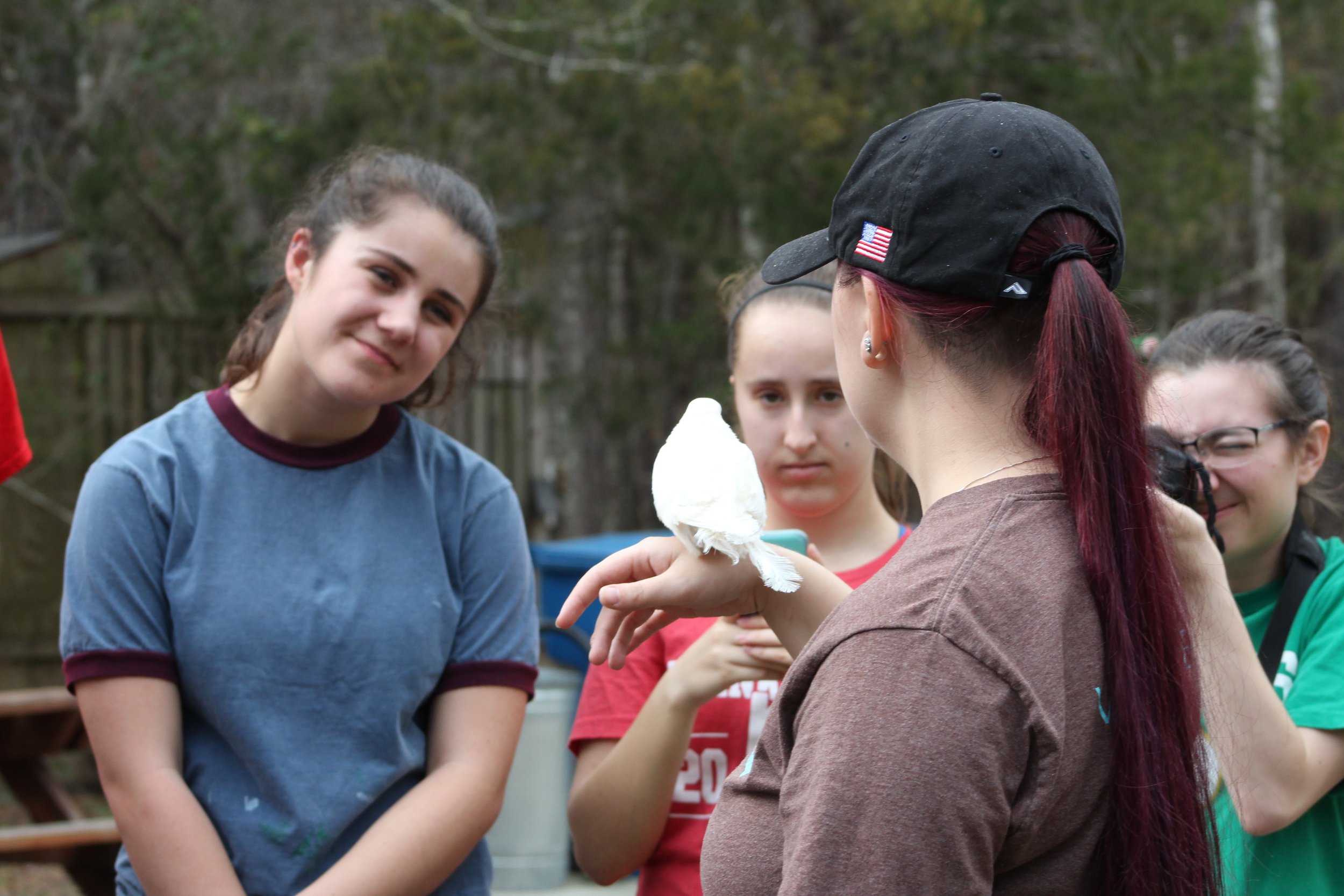
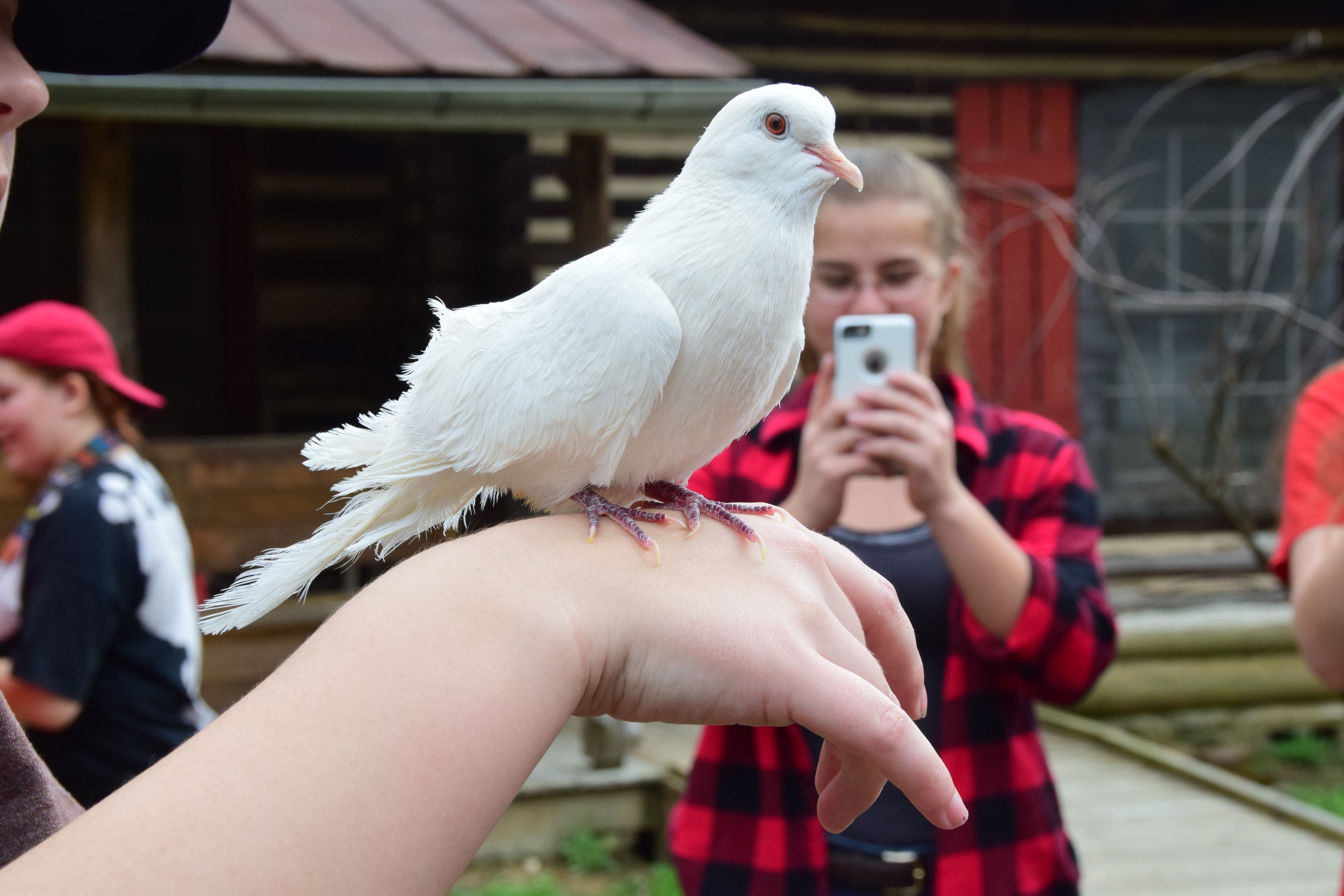
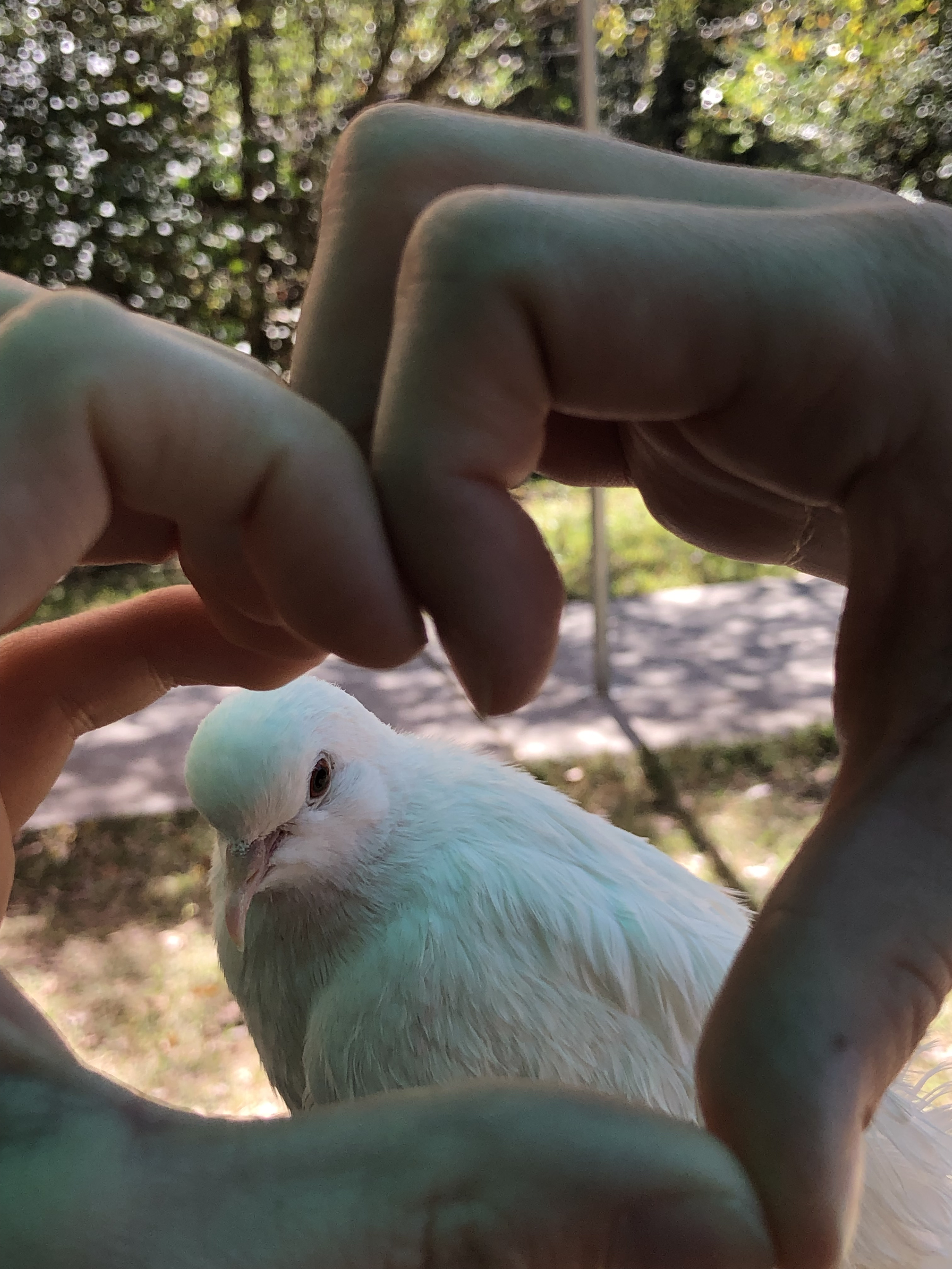
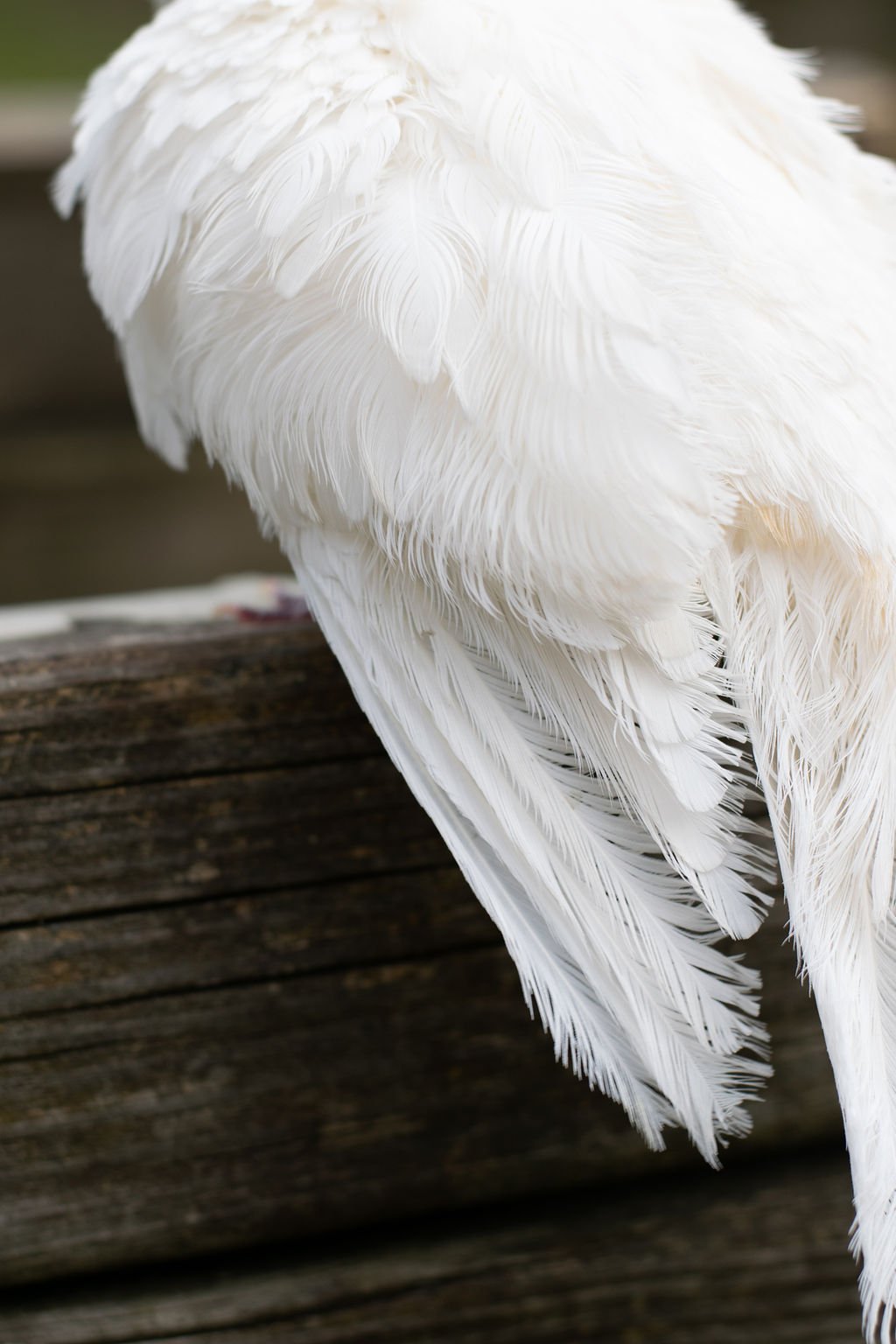
While ringneck doves are domesticated birds not native to North Carolina, Miracle played a very important role in our animal programming. Unlike our raptors, which do not enjoy touch from humans, Miracle happily accepted pats from both PWC staff and the public. Getting to meet a gentle, patient bird up-close was an inspiring educational moment for students at the schools he visited. His unique characteristics helped our educators teach about albinism, feathers, bird anatomy, and responsible pet ownership, among other topics.

Even adults found Miracle inspiring. Many visitors at outreach events told us that Miracle was the first bird they’d ever touched!

Miracle’s sweet-but-sassy personality made him a favorite among our staff and volunteers. As the “training bird” for our Raptor Team, Miracle gave new raptor trainers valuable experience holding and transferring a bird before moving on to handle our hawks and owls. He also kept our office staff in line, diligently interrupting meetings with his cackling call and overseeing important computer work from staff members’ shoulders.

If you would like to make a gift in Miracle’s memory, you may do so at the link below or at https://www.piedmontwildlifecenter.org/donate. Thank you for helping us keep him happy, healthy, enriched, and curious about the world for the last 14 years. We miss you, little buddy.
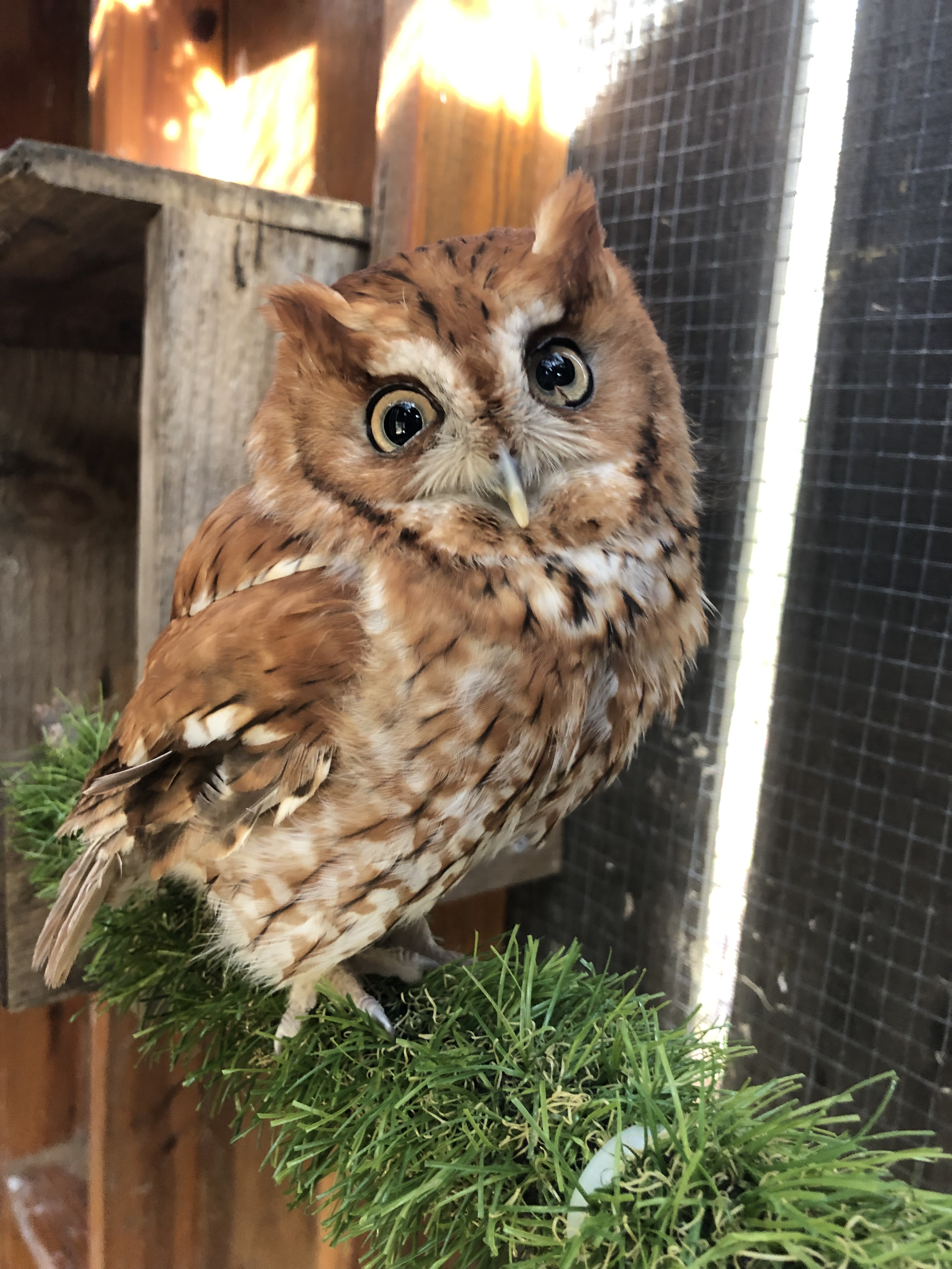
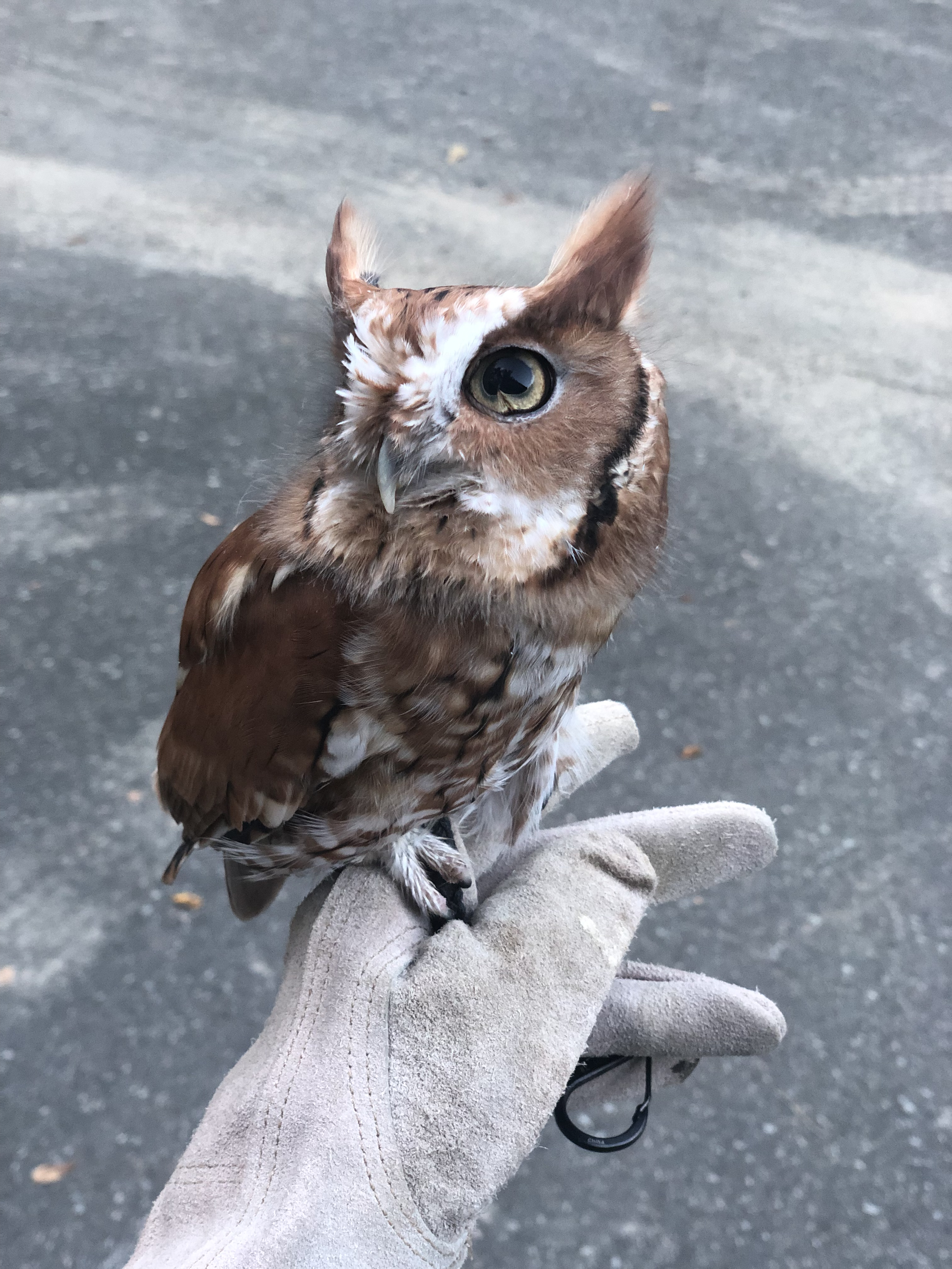
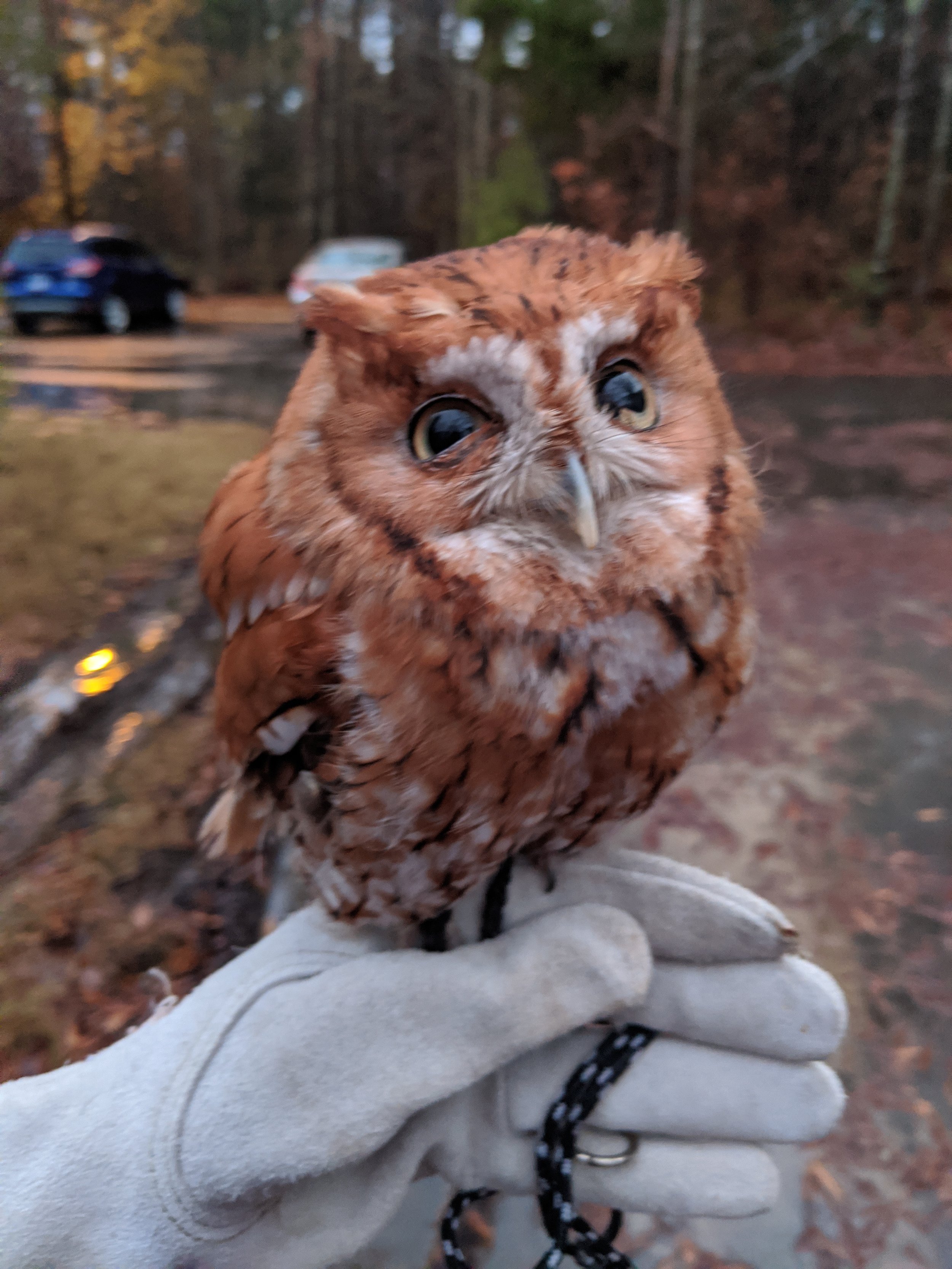
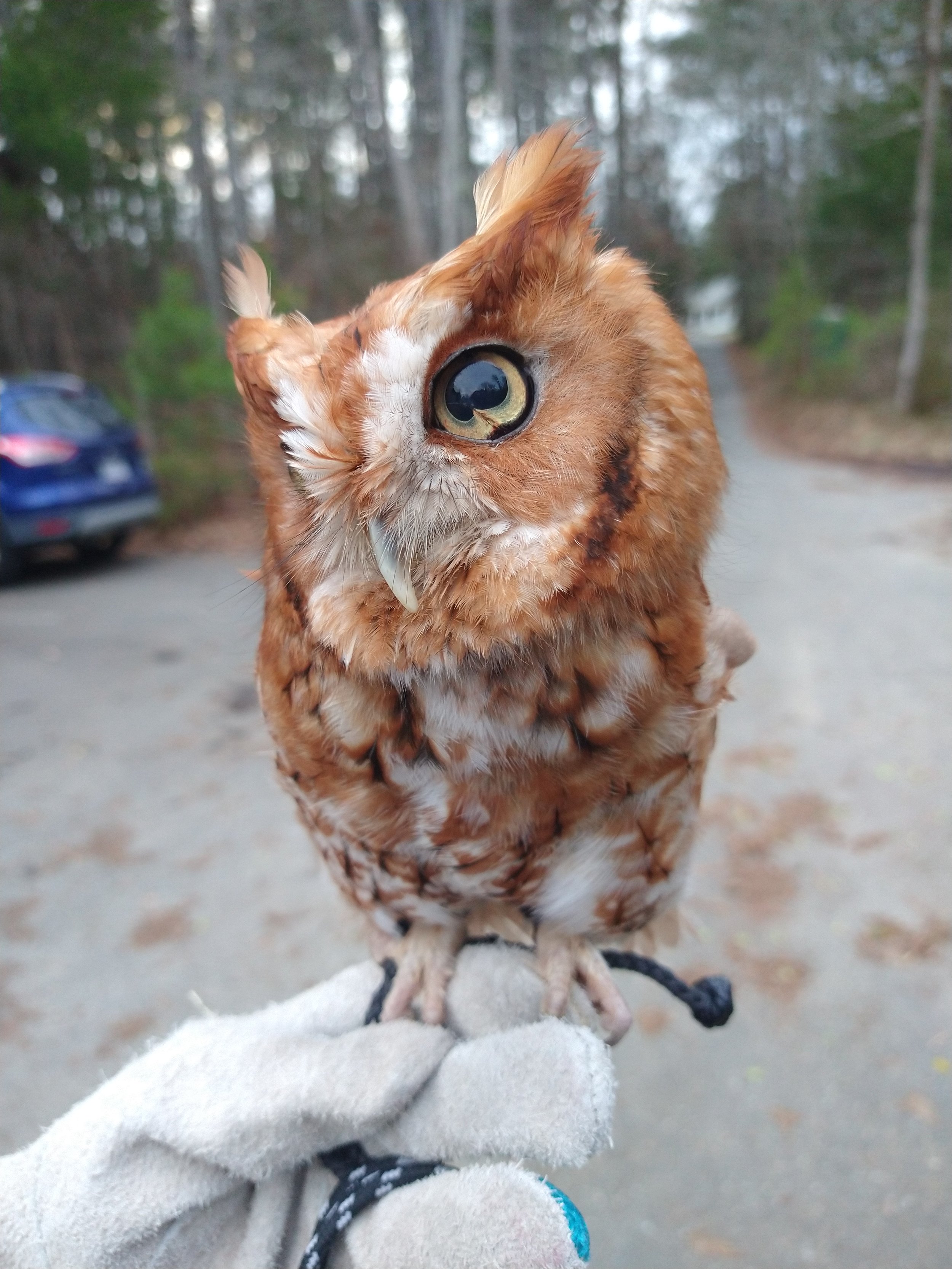
In Memory: Arlo the Eastern Screech Owl

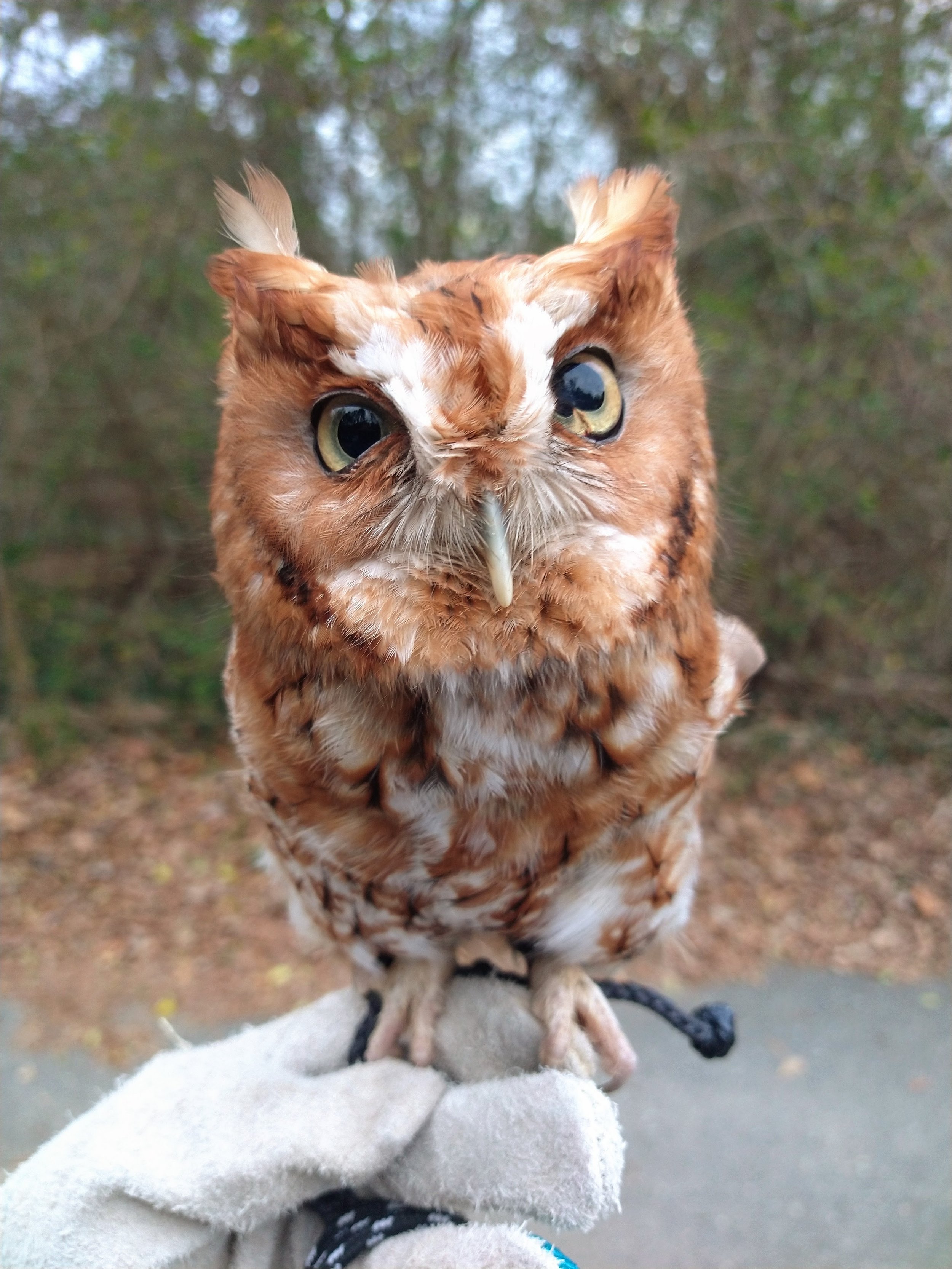
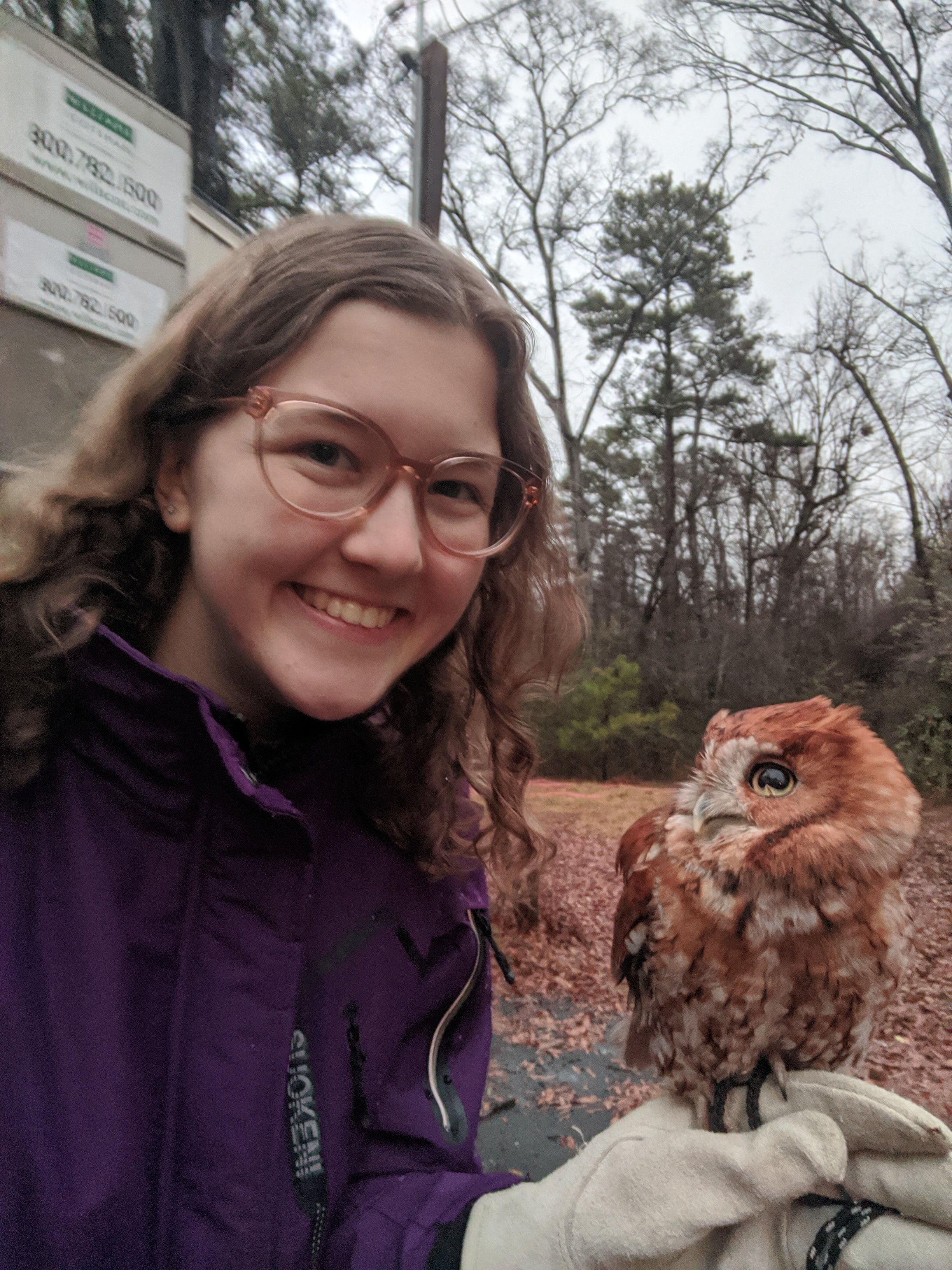
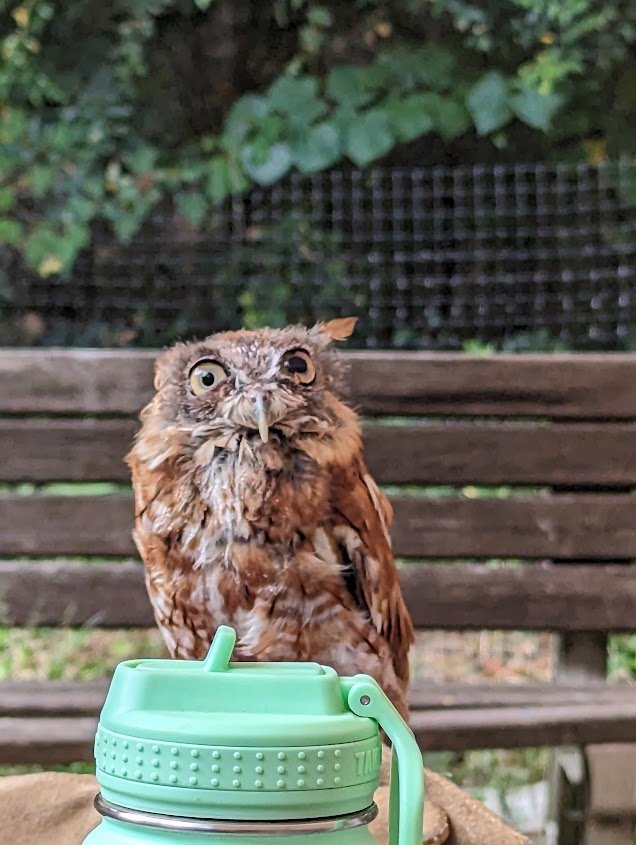
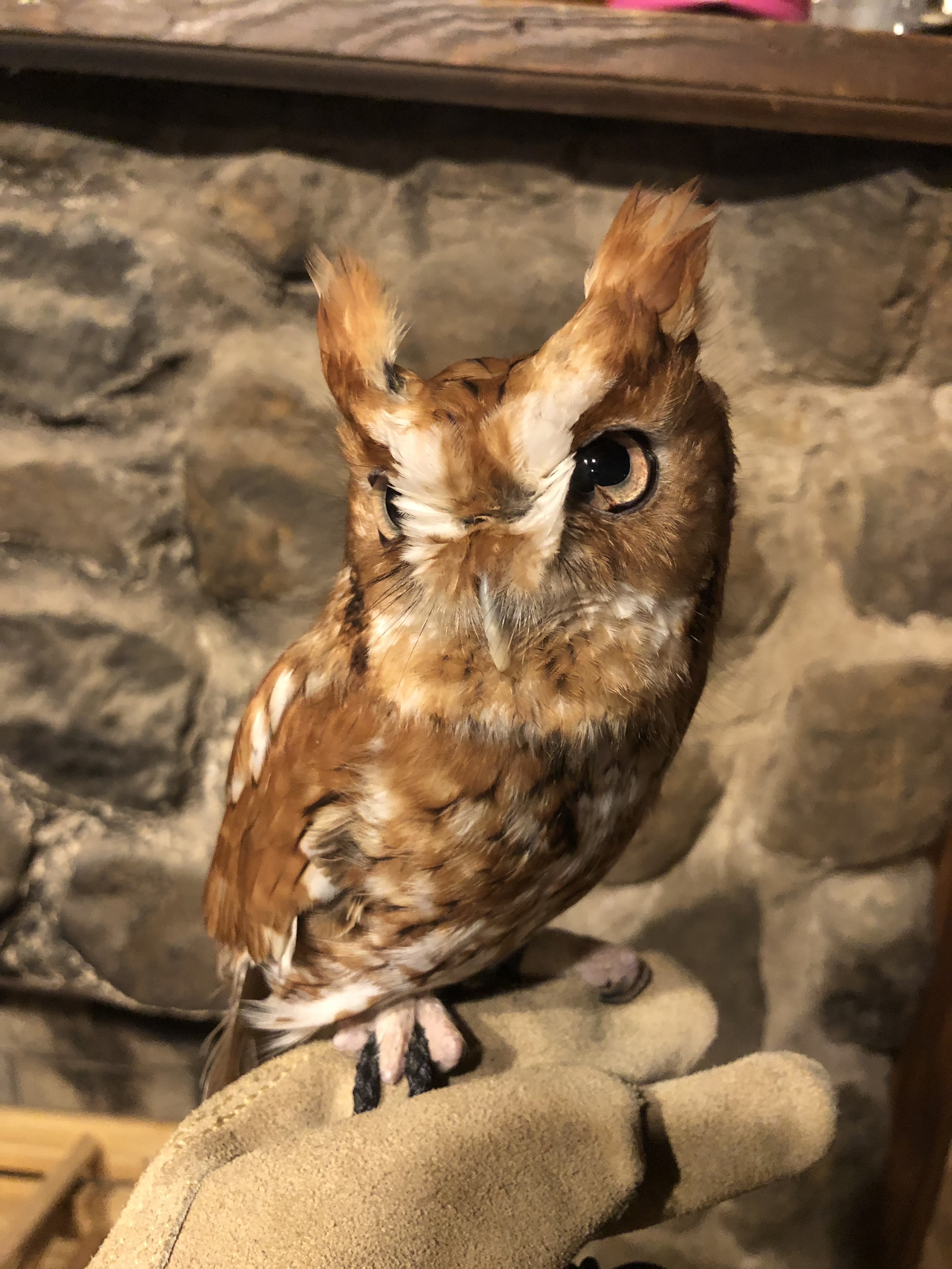
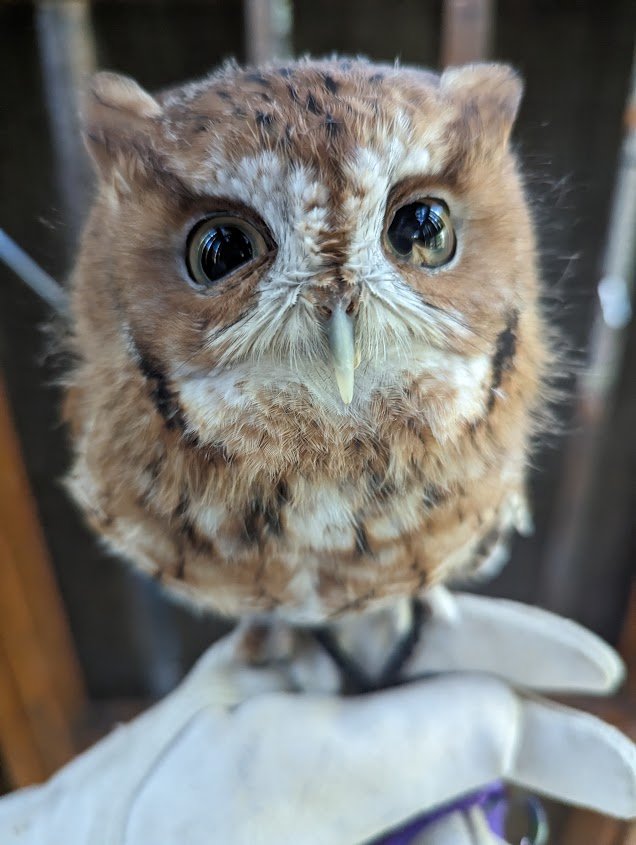
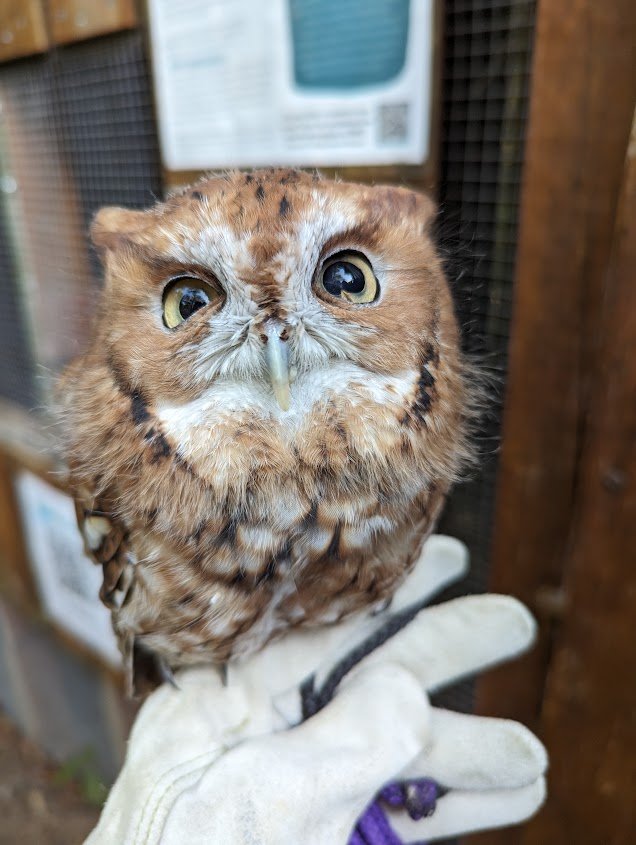
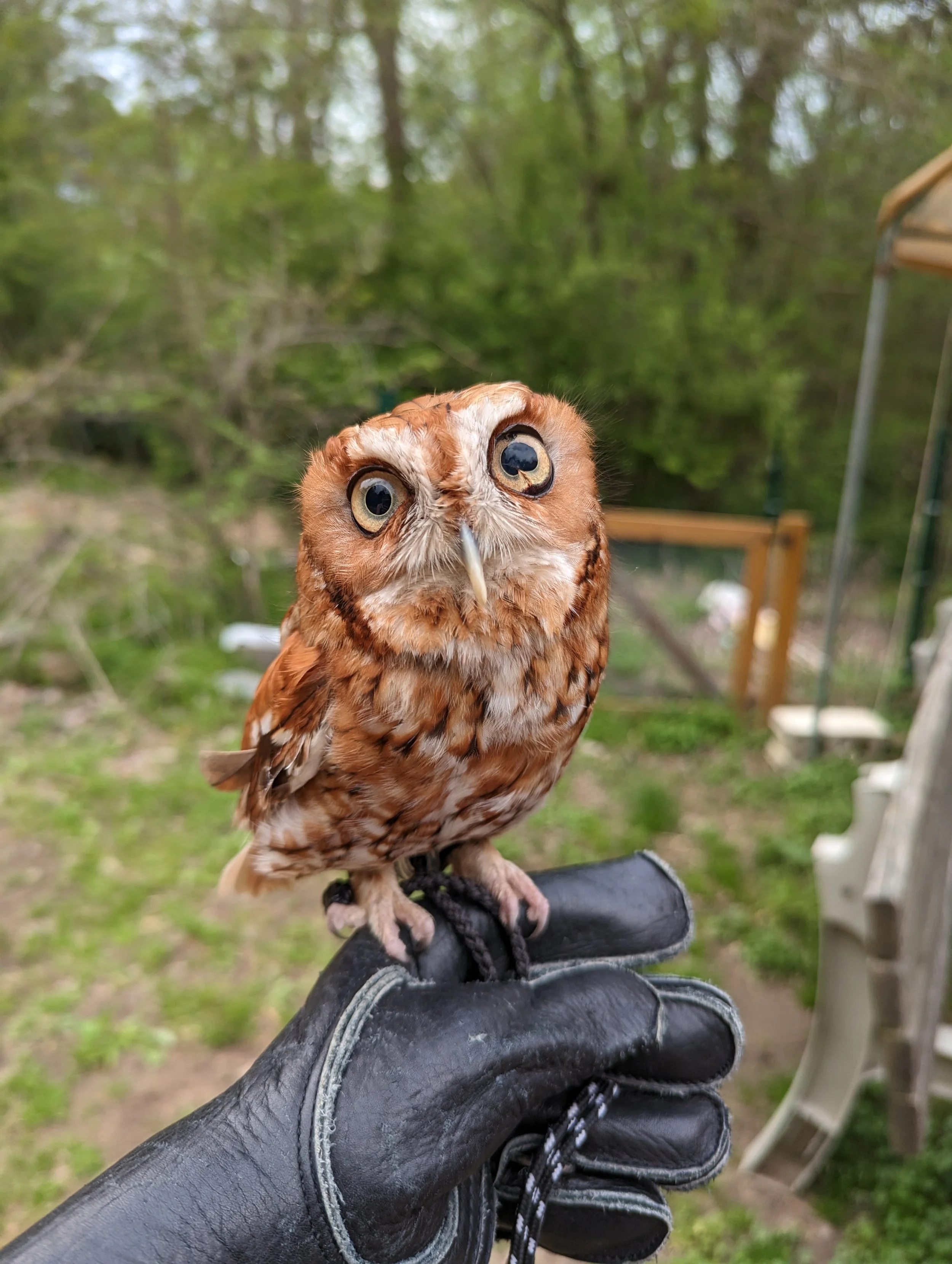
We are so sad to share that Arlo, our eastern screech owl, passed away unexpectedly last month. Arlo came to us in October 2022 from Nature’s Nanny Wildlife Rehabilitation in Chesapeake, VA, where he’d been deemed non-releasable after sustaining head trauma and an eye injury in a collision with a van. His calm temperament on the glove (and adorable fluffiness!) quickly made him a favorite of our raptor handling team.

Our staff and volunteers work hard to give our Ambassador Animals the best quality of life possible. Because we only work with non-releasable wildlife, however, we understand that many of our animals come to us with permanent injuries that may ultimately shorten their lifespans. After speaking with our vet team and other experts, we believe Arlo’s neurological issues played a role in his passing.

During the year he was with us, Arlo met hundreds of kids and adults at school programs, outreach events, field trips, and raptor tours. His story helped us teach the importance of coexisting responsibly with wildlife, and gave nature lovers of all ages an opportunity to learn about the smallest owl species native to the Durham area.

Arlo may have been a small owl, but we know he had a big impact on our team and the communities we serve. Whether you worked with Arlo as a volunteer, met him at a program, or donated to our Wildlife Ambassador fund, thank you for helping us share our little friend with the world. If you would like to make a gift in Arlo’s memory, you may do so at the link below or at https://www.piedmontwildlifecenter.org/donate

(Note: Piedmont Wildlife Center focuses on education and conservation, and does NOT rehabilitate injured or orphaned wildlife. If you’ve found a wild animal who needs help, please contact Our Wild Neighbors at 919-428-0896)

Myth or fact: Do snakes chase people?

Move over, Thanksgiving. Today, we’re celebrating Snakesgiving!

Celebrate these misunderstood creatures with Jenna Williams (Conservation Assistant) as she tackles a common myth about North American wildlife: Do rat snakes, cottonmouths, and other snakes actually chase people? Watch the video above to find out!

In Memory: Pepper the Virginia Opossum

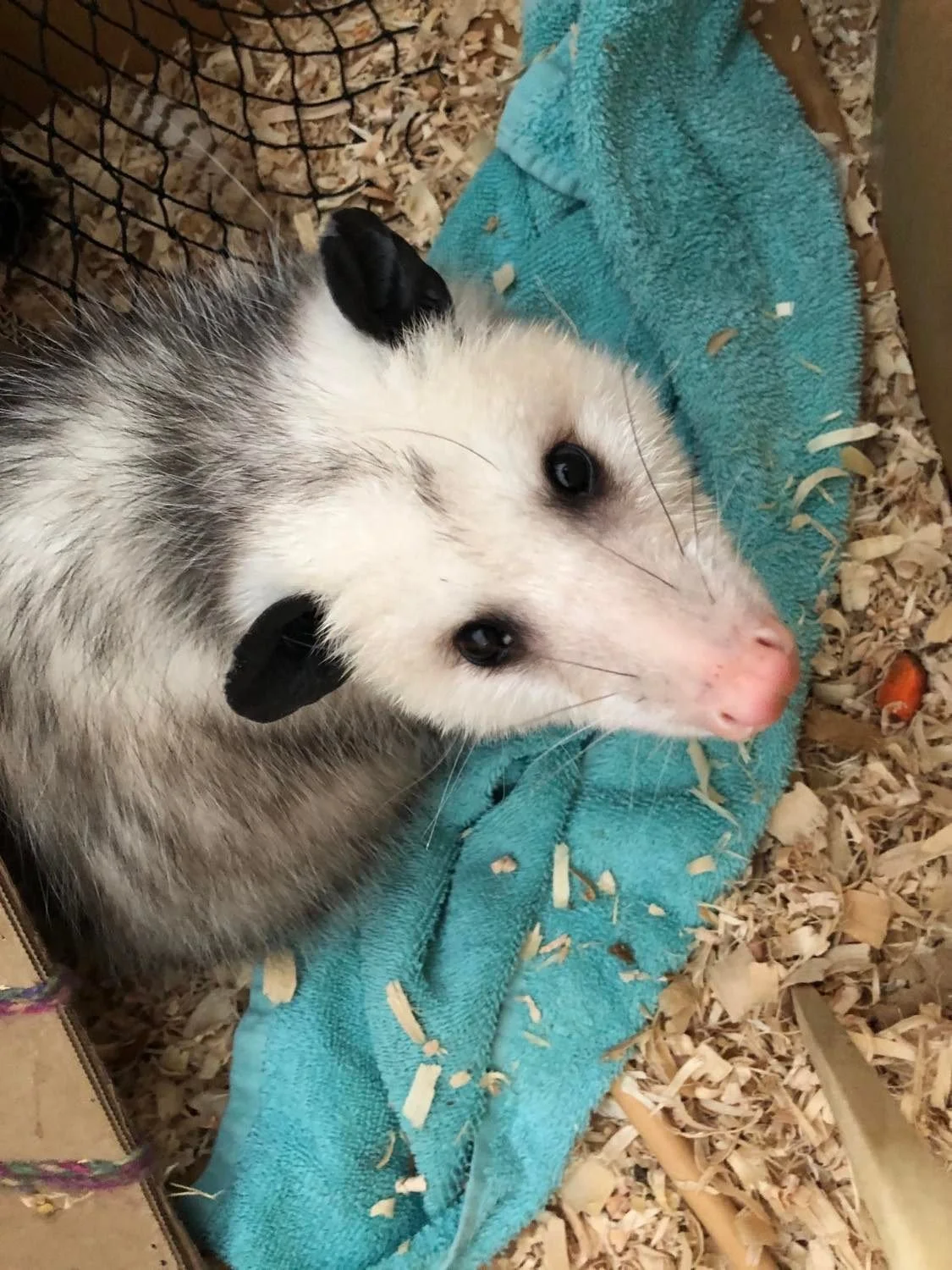
We’re deeply saddened to report that Pepper the Virginia opossum passed away last Saturday, November 4th. At about 3.5 years old, Pepper lived nearly twice as long as wild opossums, who typically live only 1-2 years. Starting in October, our staff and volunteers noticed Pepper showing decreased interest in food and sleeping more than usual. She declined further at the beginning of November, becoming uncharacteristically lethargic and refusing to eat. When it became apparent that she would not improve, we made the difficult decision to humanely euthanize her to prevent further suffering.

The fact that Pepper retained a high quality of life until the very end is a testament to the hard work of our Conservation Team, especially Kaitlin Saxton (Research & Husbandry Coordinator). Over the last year and a half, Kaitlin made huge improvements to our opossums’ diet, adding more calcium-rich foods like yogurt, broccoli, and kale to prevent metabolic bone disease. She also put together a ‘possum playground outside the cabin so Pepper could enjoy supervised outdoor enrichment - and even built a new, larger indoor opossum enclosure from scratch with help from Camryn Jefferson (Conservation Assistant)! Because of these improvements to her care, Pepper remained active, inquisitive, and healthy until her final days.

Pepper and her sister were found as orphaned babies in early 2020. They were brought to Our Wild Neighbors in Hillsborough, NC, where they were given the care they needed to grow up strong and healthy. Her sister was released after a few months, but Pepper remained so small that she wouldn’t have survived in the wild. She was deemed non-releasable and came to live as an Ambassador Animal at Piedmont Wildlife Center in November 2020.
Over the 3 years she was with us, Pepper went on countless programs where she met hundreds of students, campers, and adults. Her inquisitive and calm personality (not to mention her adorable face!) helped teach them not to fear these beneficial, often-misunderstood animals. Pepper was also popular online, receiving the second-highest number of “adopters” through our Adopt-an-Ambassador program. Most of her adopters were from out of state, including Georgia, Pennsylvania, and even the United Kingdom! Pepper educated so many people during her lifetime, and we are forever grateful for her time with her.

If you feel moved to make a gift in Pepper’s memory, you may do so below. Thank you, Pepper, for working so hard to connect people with the wonders of native NC wildlife. We hope you’re enjoying yummy snacks, interesting smells, and cozy naps over the Rainbow Bridge.

Welcome Juniper and Wink!

Piedmont Wildlife Center recently welcomed two new raptors to our Ambassador Animal family! Both birds came to us from Sea Biscuit Wildlife Shelter in Brunswick County, NC, where they were treated for their injuries and deemed unreleasable. Give a big PWC welcome to Juniper the great-horned owl and Wink the red-tailed hawk!

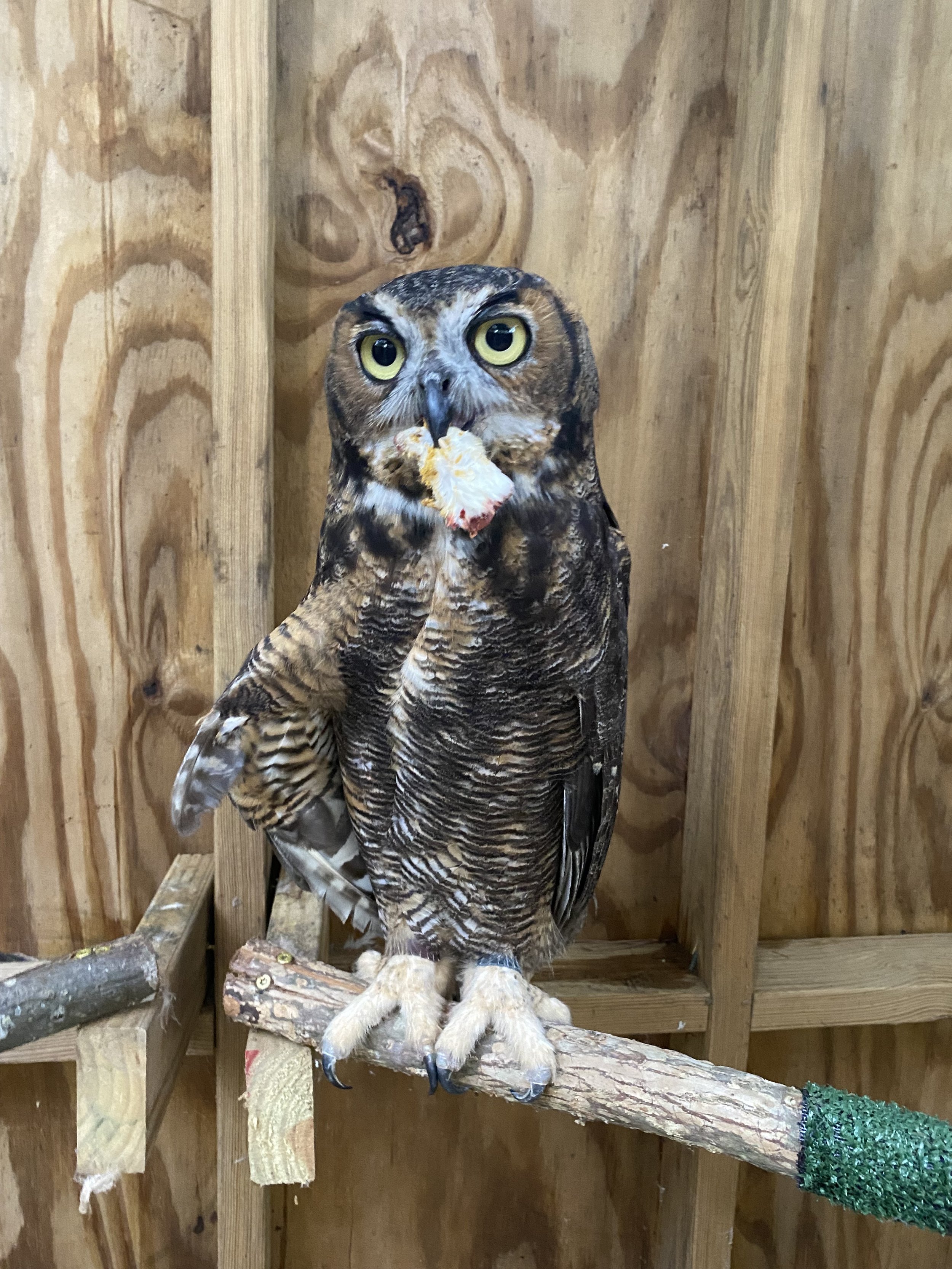
Juniper the Great-Horned Owl

Juniper was found with a wing injury when she was still a nestling. The person who found her tried to care for her, but didn't have the proper training or permits to prepare her for life in the wild. She was eventually given to Sea Biscuit Wildlife Shelter in Oak Island, NC, where she was deemed unreleasable because of her lack of fear around people. Juniper came to PWC this fall and will spend the rest of her life educating people about great-horned owls.

Because Juniper was cared for improperly as a young bird, she became semi-imprinted on humans. She doesn't fully understand that she's an owl - she thinks she's a human! Because of this, you may hear her "talk" to you if you visit her enclosure at Leigh Farm Park. These chirping sounds are similar to the noises a baby owl would use to call to their mother.

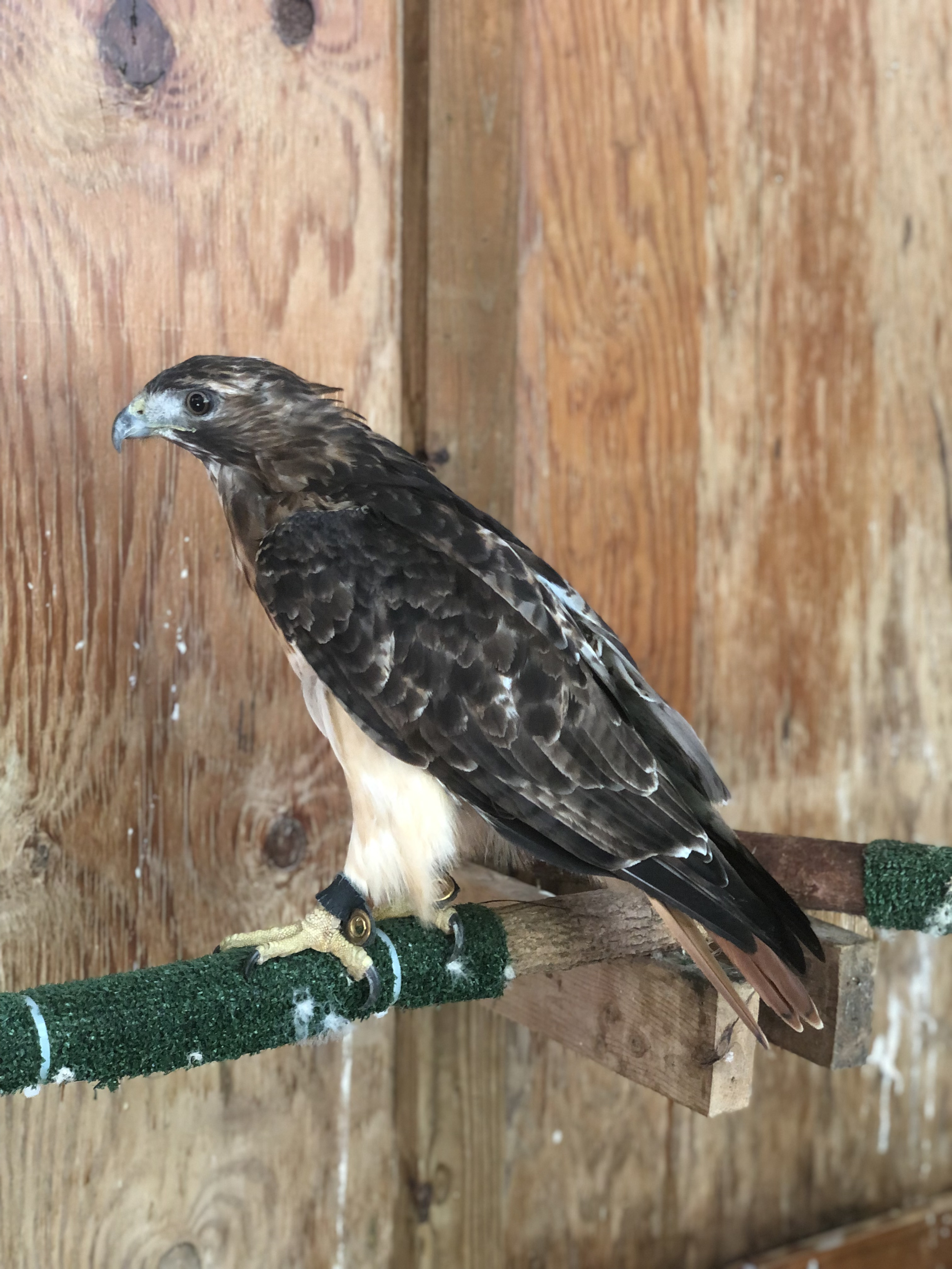
Wink the Red-Tailed Hawk

Wink was found as a juvenile with his right eye missing - hence his name! This kind of injury is a big deal for a hawk. Hawks rely on their keen sight to hunt prey, so losing an eye can be deadly. Unfortunately, this kind of injury is common in young, inexperienced hawks who don't yet know how to avoid injuries while hunting.

A hawk who loses an eye can easily die from starvation. Luckily, Wink was found by kind-hearted individuals and brought to Sea Biscuit Wildlife Shelter on Oak Island, NC, where he was deemed non-releasable. He came to PWC this fall, and will be a great Ambassador for his species.

If you find an injured or orphaned animal, please don't attempt to raise or care for them yourself. Owls and hawks are cute, but they're not pets! Not only is it illegal to keep wildlife without a permit, but this can make it impossible for them to return to the wild - and can even lead to worse injuries or death.

Instead, call a licensed wildlife rehabilitator who can give them the best chance at a wild life. Piedmont Wildlife Center is NOT involved in rehab and is not equipped to accept, treat, transport, or raise injured/orphaned wildlife. If you’ve found an animal in need of help, we highly recommend Our Wild Neighbors and Turtle Rescue Team in the Triangle area.

Let's all do our part to keep wildlife wild!